Leading Smls Pipe and fittings supplier from China since 1991

Understanding Welded Steel Pipes: Essential Insights for Construction and Decoration
Welded steel pipes are formed by taking flat plates or strips of steel and welding them together to create a tubular shape. This process not only enhances the strength of the pipe but also allows for a variety of sizes and thicknesses to suit different construction needs. The primary advantage of welded steel pipes lies in their structural integrity; modern welding techniques ensure that the joint
Jan 28,2025
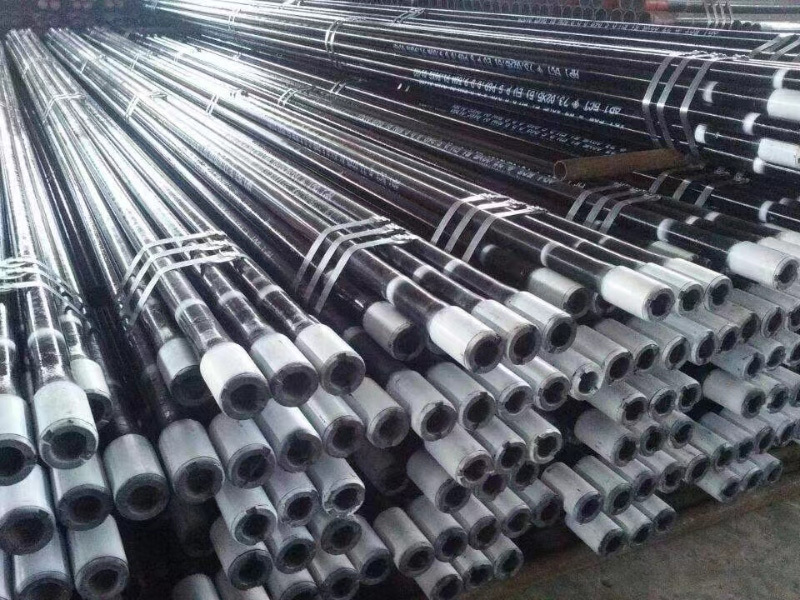
Welded steel pipes are formed by taking flat plates or strips of steel and welding them together to create a tubular shape. This process not only enhances the strength of the pipe but also allows for a variety of sizes and thicknesses to suit different construction needs. The primary advantage of welded steel pipes lies in their structural integrity; modern welding techniques ensure that the joints are as robust as the surrounding material, making them suitable for high-pressure applications and structural supports.
One of the most significant benefits of using welded steel pipes in construction is their cost-effectiveness. Compared to seamless pipes, welded variants can be produced at a lower cost, making them an attractive option for projects with budget constraints. Additionally, the production process allows for the customization of dimensions, which can be crucial for specific building requirements.
Welded steel pipes are also known for their corrosion resistance, especially when treated with protective coatings. In environments where exposure to moisture or chemicals is a concern, selecting the right type of welded pipe can prevent premature wear and extend the lifespan of the installation. It's essential to consider the environment in which the pipes will be used and select an appropriate finishing treatment to enhance durability.
Moreover, the versatility of welded steel pipes extends beyond structural applications. They can be utilized in plumbing, heating, and even decorative elements within a building. Their clean lines and robust appearance make them a popular choice for modern architectural designs, blending functionality with aesthetic appeal.
When specifying welded steel pipes for your projects, it is crucial to understand the various standards and grades available. Different standards dictate the specifications related to the material properties, dimensions, and manufacturing processes. Familiarizing yourself with these can help ensure compliance with building codes and regulations, reducing the risk of future complications.
In conclusion, welded steel pipes offer a range of benefits that make them a staple in the construction and decoration industries. Their strength, cost-effectiveness, and versatility make them an ideal choice for various applications. By understanding the characteristics and options available, professionals can make informed decisions that enhance the quality and longevity of their projects.
One of the most significant benefits of using welded steel pipes in construction is their cost-effectiveness. Compared to seamless pipes, welded variants can be produced at a lower cost, making them an attractive option for projects with budget constraints. Additionally, the production process allows for the customization of dimensions, which can be crucial for specific building requirements.
Welded steel pipes are also known for their corrosion resistance, especially when treated with protective coatings. In environments where exposure to moisture or chemicals is a concern, selecting the right type of welded pipe can prevent premature wear and extend the lifespan of the installation. It's essential to consider the environment in which the pipes will be used and select an appropriate finishing treatment to enhance durability.
Moreover, the versatility of welded steel pipes extends beyond structural applications. They can be utilized in plumbing, heating, and even decorative elements within a building. Their clean lines and robust appearance make them a popular choice for modern architectural designs, blending functionality with aesthetic appeal.
When specifying welded steel pipes for your projects, it is crucial to understand the various standards and grades available. Different standards dictate the specifications related to the material properties, dimensions, and manufacturing processes. Familiarizing yourself with these can help ensure compliance with building codes and regulations, reducing the risk of future complications.
In conclusion, welded steel pipes offer a range of benefits that make them a staple in the construction and decoration industries. Their strength, cost-effectiveness, and versatility make them an ideal choice for various applications. By understanding the characteristics and options available, professionals can make informed decisions that enhance the quality and longevity of their projects.
Hot Tags:
Cangzhou KTD Steel Pipe Co.,ltd
Mengcun County, Cangzhou City, Hebei Province, China 061000


REQUEST QUOTE