Leading Smls Pipe and fittings supplier from China since 1991

Why API Seamless Steel Pipes Are the Top Choice for Engineers and Architects
Why API Seamless Steel Pipes Are the Top Choice for Engineers and Architects Table of Contents 1. Introduction to API Seamless Steel Pipes 2. Understanding the API Standard 3. Key Advantages of Seamless Steel Pipes 3.1 Enhanced Strength and Durability 3.2 Superior Corrosion Resistance 3.3 Versatility in Applications 4. Comparison with Other Pipe Types 4.1 Welded vs. Seamless Pipes 4.2 Carbon Steel
Feb 04,2025
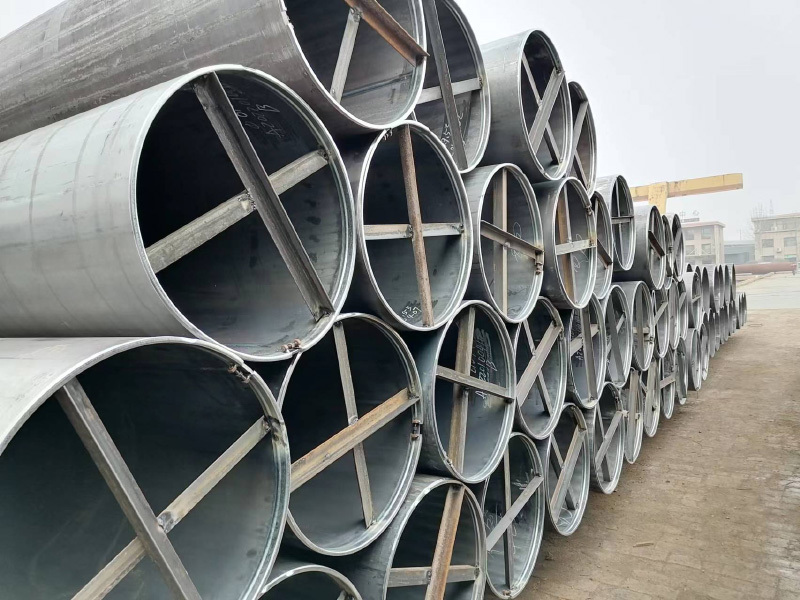
Why API Seamless Steel Pipes Are the Top Choice for Engineers and Architects
Table of Contents
1. Introduction to API Seamless Steel Pipes
2. Understanding the API Standard
3. Key Advantages of Seamless Steel Pipes
3.1 Enhanced Strength and Durability
3.2 Superior Corrosion Resistance
3.3 Versatility in Applications
4. Comparison with Other Pipe Types
4.1 Welded vs. Seamless Pipes
4.2 Carbon Steel vs. API Seamless Steel
5. Applications of API Seamless Steel Pipes in Construction
6. Why Architects Trust API Seamless Steel Pipes
7. Engineering Considerations for Selecting API Seamless Pipes
8. FAQs About API Seamless Steel Pipes
9. Conclusion
1. Introduction to API Seamless Steel Pipes
API seamless steel pipes are critical components in modern construction and engineering projects. These pipes are manufactured without seams or welds, providing a continuous structure that enhances their strength and reliability. As architects and engineers seek materials that can withstand high-pressure conditions and harsh environments, the demand for API seamless steel pipes continues to grow.
2. Understanding the API Standard
The American Petroleum Institute (API) sets the standards for various products used in the oil and gas industry, including seamless steel pipes. These standards ensure that the pipes meet specific quality and safety requirements, making them ideal for critical applications. When engineers and architects choose API seamless steel pipes, they can be confident that the materials comply with rigorous industry benchmarks.
3. Key Advantages of Seamless Steel Pipes
3.1 Enhanced Strength and Durability
One of the primary reasons that API seamless steel pipes are preferred by engineers and architects is their exceptional strength and durability. The manufacturing process eliminates weak points often found in welded pipes, resulting in a product that can withstand extreme pressures and temperatures. This durability is essential for projects in challenging environments, such as offshore drilling and high-rise buildings.
3.2 Superior Corrosion Resistance
Corrosion can significantly impact the lifespan of construction materials. API seamless steel pipes are often treated with protective coatings and manufactured using alloys that enhance their resistance to corrosion. This feature makes them suitable for various applications, including those exposed to moisture, chemicals, and other corrosive elements.
3.3 Versatility in Applications
API seamless steel pipes are used across diverse industries, including oil and gas, construction, and infrastructure. Their adaptability allows engineers to employ them in various applications, from transporting liquids and gases to structural support in buildings. This versatility simplifies project planning and execution, as a single type of pipe can meet multiple requirements.
4. Comparison with Other Pipe Types
4.1 Welded vs. Seamless Pipes
While welded pipes are a popular option in many applications, they often lack the same level of strength as seamless pipes. The welds can be weak points, and the manufacturing process can introduce defects that may compromise the pipe's structural integrity. In contrast, seamless pipes provide a uniform structure, making them more reliable for critical applications.
4.2 Carbon Steel vs. API Seamless Steel
Carbon steel pipes are commonly used in construction; however, they may not always meet the stringent requirements for high-pressure applications. API seamless steel pipes, specifically designed for demanding environments, offer superior performance and safety. Their compliance with API standards further ensures that they can handle the necessary specifications for large-scale projects.
5. Applications of API Seamless Steel Pipes in Construction
API seamless steel pipes find widespread use in various construction applications, including:
- **Oil and Gas Transport:** The oil and gas industry relies heavily on seamless pipes for transporting crude oil, natural gas, and other fluids under high pressure.
- **Structural Frameworks:** Architects utilize seamless pipes for creating sturdy frameworks in buildings, bridges, and other infrastructures, providing essential support and stability.
- **Hydraulic Systems:** In hydraulic systems, seamless pipes are used to transport fluids safely, ensuring efficient operation under varying pressures.
6. Why Architects Trust API Seamless Steel Pipes
Architects prioritize safety, aesthetics, and functionality in their designs. API seamless steel pipes align with these priorities by offering a reliable and attractive solution for various structural needs. Their smooth finish and ability to withstand pressure make them perfect for not only supporting structures but also enhancing the overall design.
Furthermore, architects appreciate the longevity that API seamless steel pipes bring to their projects, minimizing maintenance needs and replacement costs over time. This reliability contributes significantly to the overall success of architectural projects.
7. Engineering Considerations for Selecting API Seamless Pipes
When selecting API seamless steel pipes for a project, engineers must consider several critical factors:
- **Material Specifications:** Ensure the pipes meet the required API standards for the specific application.
- **Pressure Ratings:** Understand the pressure requirements of the project to choose the appropriate grade of seamless pipe.
- **Environmental Conditions:** Take into account the environmental conditions the pipes will be exposed to, such as temperature, humidity, and chemical exposure.
By considering these factors, engineers can make informed decisions that enhance the safety and performance of their projects.
8. FAQs About API Seamless Steel Pipes
What are API seamless steel pipes?
API seamless steel pipes are pipes manufactured without seams or welds, adhering to the standards set by the American Petroleum Institute for strength and quality.
Why are seamless pipes stronger than welded pipes?
Seamless pipes lack welds, which are potential weak points in welded pipes. This continuous structure provides enhanced strength and durability, making seamless pipes more reliable in high-pressure applications.
In what applications are API seamless steel pipes most commonly used?
They are primarily used in the oil and gas industry, structural frameworks, and hydraulic systems, among other applications requiring strength and reliability.
How do API standards impact the quality of seamless pipes?
API standards ensure that seamless pipes meet rigorous quality and safety requirements, making them suitable for high-stakes applications.
What maintenance do API seamless steel pipes require?
While they are designed to be durable and corrosion-resistant, regular inspections and protective coatings can help extend their lifespan and performance.
9. Conclusion
In the world of construction and engineering, the choice of materials can significantly impact the safety, efficiency, and success of a project. API seamless steel pipes stand out as a preferred option for engineers and architects due to their unmatched strength, corrosion resistance, and versatility. By adhering to stringent standards, these pipes not only meet but often exceed the requirements for critical applications.
As industry demands evolve, API seamless steel pipes will remain a cornerstone of modern construction, offering reliable solutions that engineers and architects can trust. Whether it's for high-pressure transport or structural support, choosing API seamless steel pipes is a decision that underscores a commitment to quality, safety, and innovation in construction and architecture.
Hot Tags:
Cangzhou KTD Steel Pipe Co.,ltd
Mengcun County, Cangzhou City, Hebei Province, China 061000


REQUEST QUOTE