Leading Smls Pipe and fittings supplier from China since 1991

API Seamless Steel Pipes vs. Other Materials: A Comprehensive Comparison for Construction and Decoration
API Seamless Steel Pipes vs. Other Materials: A Comprehensive Comparison Table of Contents 1. Introduction to API Seamless Steel Pipes 2. Benefits of Using API Seamless Steel Pipes 3. Overview of Other Construction Materials 4. API Seamless Steel Pipes vs. Other Materials: A Detailed Comparison 4.1 Carbon Steel Pipes 4.2 Stainless Steel Pipes 4.3 Copper Pipes
Feb 20,2025
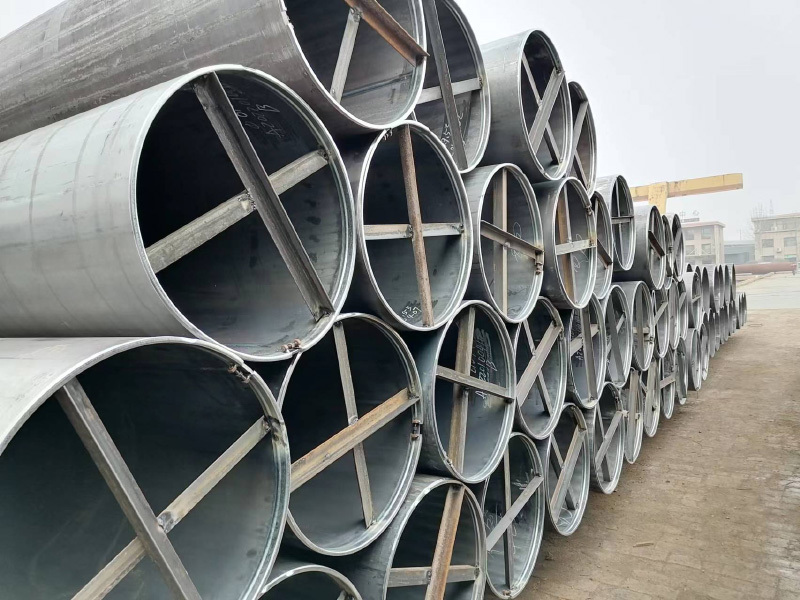
API Seamless Steel Pipes vs. Other Materials: A Comprehensive Comparison
Table of Contents
- 1. Introduction to API Seamless Steel Pipes
- 2. Benefits of Using API Seamless Steel Pipes
- 3. Overview of Other Construction Materials
- 4. API Seamless Steel Pipes vs. Other Materials: A Detailed Comparison
- 5. Applications of API Seamless Steel Pipes
- 6. How to Choose the Right Material for Your Project
- 7. Cost Analysis: API Seamless Steel Pipes vs. Other Materials
- 8. Frequently Asked Questions
- 9. Conclusion
1. Introduction to API Seamless Steel Pipes
API seamless steel pipes are widely recognized in the construction and decoration industries for their strength, durability, and reliability. These pipes are manufactured without any welded seams, which makes them less prone to leakage and other failures. In this article, we will explore the unique properties of API seamless steel pipes and compare them with other common materials used in construction.
2. Benefits of Using API Seamless Steel Pipes
API seamless steel pipes offer numerous benefits, making them a popular choice among engineers and architects.
2.1 Superior Strength and Durability
One of the most significant advantages of API seamless steel pipes is their exceptional strength. Without seams, these pipes can withstand high pressure and extreme temperatures, which is essential in many construction applications.
2.2 Corrosion Resistance
Although steel is generally susceptible to rust, API seamless steel pipes can be treated to enhance their resistance to corrosion. This is particularly beneficial in environments where exposure to moisture and chemicals is a concern.
2.3 Versatility in Applications
API seamless steel pipes are suitable for various applications, including oil and gas transportation, construction frameworks, and even in decorative elements. Their versatility makes them a preferred choice for many industries.
2.4 Cost-Effectiveness
While the initial cost of API seamless steel pipes may be higher than some other materials, their durability and low maintenance requirements often lead to lower overall costs in the long run.
3. Overview of Other Construction Materials
In addition to API seamless steel pipes, several other materials are commonly used in construction. Understanding these materials and their properties is crucial for making informed choices.
3.1 Carbon Steel Pipes
Carbon steel pipes are widely used due to their affordability and strength. However, they are prone to corrosion if not properly treated.
3.2 Stainless Steel Pipes
Stainless steel pipes are known for their excellent corrosion resistance and aesthetic appeal. However, they are generally more expensive than carbon steel pipes.
3.3 Copper Pipes
Copper pipes are often used in plumbing and heating applications due to their excellent thermal conductivity. However, they can be cost-prohibitive for large-scale construction projects.
3.4 Plastic Pipes
Plastic pipes, such as PVC and CPVC, are lightweight and resistant to corrosion. However, they may not offer the same level of strength as metal options.
4. API Seamless Steel Pipes vs. Other Materials: A Detailed Comparison
When choosing materials for construction, it is essential to compare API seamless steel pipes with other options.
4.1 Carbon Steel Pipes
While carbon steel pipes are cost-effective, they lack the same level of strength as API seamless steel pipes. The potential for corrosion also makes seamless pipes the preferred choice for demanding applications.
4.2 Stainless Steel Pipes
Stainless steel offers excellent corrosion resistance, but API seamless steel pipes may still be more suitable for high-pressure applications due to their structural integrity.
4.3 Copper Pipes
Copper is ideal for plumbing but may not be viable for large structural applications. The costs associated with copper can also deter its usage in extensive projects.
4.4 Plastic Pipes
Plastic pipes are lightweight and easy to install, but they may not withstand high pressure or extreme temperatures, limiting their applications compared to API seamless steel pipes.
5. Applications of API Seamless Steel Pipes
API seamless steel pipes find their use in various sectors due to their unique properties.
5.1 Oil and Gas Industry
API seamless steel pipes are extensively used in the oil and gas industry for transporting fluids over long distances. Their ability to handle high pressures makes them ideal for this application.
5.2 Construction Projects
These pipes are commonly used in large-scale construction projects, including skyscrapers and bridges, where strength is paramount.
5.3 Structural Applications
API seamless steel pipes are often used as structural components in buildings and other infrastructures due to their high load-bearing capacity.
6. How to Choose the Right Material for Your Project
Choosing the right material involves considering various factors, including:
6.1 Project Requirements
Assess the specific requirements of your project, such as pressure, temperature, and environmental conditions.
6.2 Budget Constraints
Evaluate your budget and consider the long-term costs associated with material maintenance and replacement.
6.3 Environmental Impact
Consider the environmental impact of the materials used, including their recyclability and carbon footprint.
7. Cost Analysis: API Seamless Steel Pipes vs. Other Materials
Conducting a cost analysis is vital to understanding the financial implications of your material choices.
7.1 Upfront Costs
API seamless steel pipes typically have higher upfront costs compared to other materials like carbon steel or plastic.
7.2 Long-term Savings
However, their durability and low maintenance requirements often lead to lower long-term costs, making them a cost-effective option over time.
8. Frequently Asked Questions
8.1 What are API seamless steel pipes used for?
API seamless steel pipes are primarily used in the oil and gas industry, construction projects, and structural applications.
8.2 How do API seamless steel pipes compare to welded pipes?
API seamless steel pipes are stronger and less prone to failure than welded pipes, making them more suitable for high-pressure applications.
8.3 Are API seamless steel pipes cost-effective?
While they have higher initial costs, their durability and low maintenance often lead to cost savings over time.
8.4 Can API seamless steel pipes be recycled?
Yes, API seamless steel pipes can be recycled, making them an environmentally friendly option in construction.
8.5 What factors should I consider when choosing pipe materials?
Consider factors such as project requirements, budget constraints, environmental impact, and material properties.
9. Conclusion
API seamless steel pipes stand out as a leading choice in construction and decoration due to their strength, durability, and versatility. While other materials have their benefits, the unique attributes of API seamless steel pipes make them the preferred option for high-pressure applications and long-term projects. When selecting the right material for your project, it is crucial to weigh the pros and cons of each option, considering both immediate costs and future savings. By making an informed decision, you can ensure the success and longevity of your construction endeavors.
PREVIOUS:
Cangzhou KTD Steel Pipe Co.,ltd
Mengcun County, Cangzhou City, Hebei Province, China 061000


REQUEST QUOTE