Leading Smls Pipe and fittings supplier from China since 1991

Understanding Classy Oil and Gas Pipelines: A Comprehensive Overview
In the realm of chemical engineering, the term "classy oil and gas pipelines" refers not only to the physical structures used for transporting oil and gas but also to the sophisticated systems that ensure their integrity and efficiency. These pipelines are essential for the movement of hydrocarbons from extraction sites to processing plants and distribution centers. Understanding their design, con
Mar 21,2025
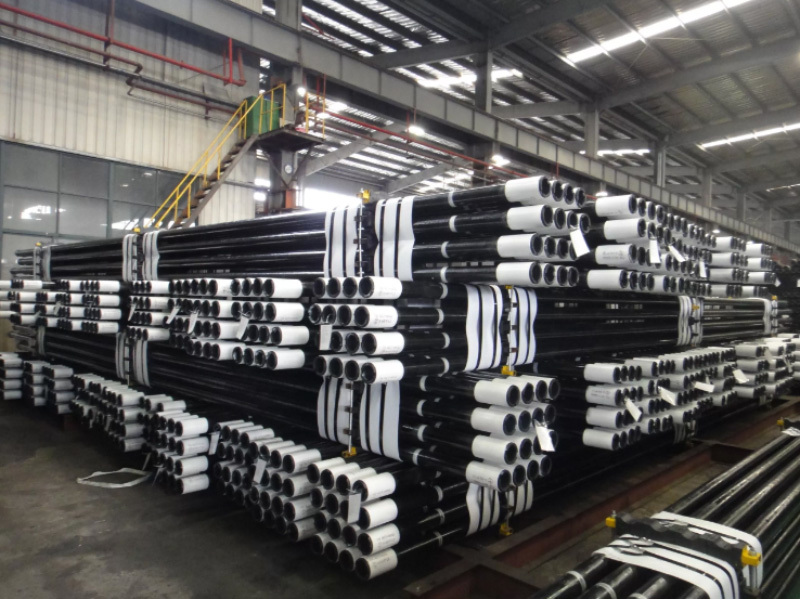
In the realm of chemical engineering, the term "classy oil and gas pipelines" refers not only to the physical structures used for transporting oil and gas but also to the sophisticated systems that ensure their integrity and efficiency. These pipelines are essential for the movement of hydrocarbons from extraction sites to processing plants and distribution centers. Understanding their design, construction, and operation is crucial for anyone involved in the chemical industry.
Classy oil and gas pipelines are characterized by high standards of safety, durability, and environmental consideration. The materials used in their construction are typically chosen for their ability to withstand harsh conditions, including high pressure and corrosive substances. Common materials include carbon steel, stainless steel, and various alloys that offer enhanced resistance to corrosion and wear.
One of the key aspects of classy pipelines is their engineering design, which emphasizes both functionality and safety. Advanced modeling techniques are utilized to predict the behavior of pipelines under different conditions, ensuring they can withstand stress from both internal and external forces. This includes the impact of seismic activity, temperature fluctuations, and pressure changes, all of which can affect pipeline integrity.
Classy oil and gas pipelines are also equipped with sophisticated monitoring and control systems. These systems enable operators to continuously assess the pipeline's condition, detect leaks, and respond promptly to any anomalies. Innovations such as smart sensors and automated control systems are integral to modern pipeline management, allowing for real-time data analysis and decision-making.
In addition to engineering excellence, the implementation of environmental protection measures is paramount when dealing with oil and gas pipelines. Classy pipelines must comply with stringent regulations to minimize their ecological footprint. This includes measures to prevent spills and leaks, as well as protocols for emergency response should an incident occur.
Moreover, public perception and community engagement play significant roles in the operation of oil and gas pipelines. Companies must navigate the societal impacts of their projects, ensuring they communicate transparently with affected communities and stakeholders. This includes addressing concerns related to safety, environmental impact, and economic benefits.
In summary, classy oil and gas pipelines are a vital component of the chemical industry, designed with a focus on safety, efficiency, and environmental responsibility. Their complex systems and advanced engineering practices not only facilitate the transportation of crucial resources but also aim to mitigate risks and fulfill regulatory requirements. Understanding these pipelines is essential for professionals in the field who seek to contribute to a sustainable and effective energy infrastructure.
Classy oil and gas pipelines are characterized by high standards of safety, durability, and environmental consideration. The materials used in their construction are typically chosen for their ability to withstand harsh conditions, including high pressure and corrosive substances. Common materials include carbon steel, stainless steel, and various alloys that offer enhanced resistance to corrosion and wear.
One of the key aspects of classy pipelines is their engineering design, which emphasizes both functionality and safety. Advanced modeling techniques are utilized to predict the behavior of pipelines under different conditions, ensuring they can withstand stress from both internal and external forces. This includes the impact of seismic activity, temperature fluctuations, and pressure changes, all of which can affect pipeline integrity.
Classy oil and gas pipelines are also equipped with sophisticated monitoring and control systems. These systems enable operators to continuously assess the pipeline's condition, detect leaks, and respond promptly to any anomalies. Innovations such as smart sensors and automated control systems are integral to modern pipeline management, allowing for real-time data analysis and decision-making.
In addition to engineering excellence, the implementation of environmental protection measures is paramount when dealing with oil and gas pipelines. Classy pipelines must comply with stringent regulations to minimize their ecological footprint. This includes measures to prevent spills and leaks, as well as protocols for emergency response should an incident occur.
Moreover, public perception and community engagement play significant roles in the operation of oil and gas pipelines. Companies must navigate the societal impacts of their projects, ensuring they communicate transparently with affected communities and stakeholders. This includes addressing concerns related to safety, environmental impact, and economic benefits.
In summary, classy oil and gas pipelines are a vital component of the chemical industry, designed with a focus on safety, efficiency, and environmental responsibility. Their complex systems and advanced engineering practices not only facilitate the transportation of crucial resources but also aim to mitigate risks and fulfill regulatory requirements. Understanding these pipelines is essential for professionals in the field who seek to contribute to a sustainable and effective energy infrastructure.
Hot Tags:
Cangzhou KTD Steel Pipe Co.,ltd
Mengcun County, Cangzhou City, Hebei Province, China 061000


REQUEST QUOTE