Leading Smls Pipe and fittings supplier from China since 1991

Why ASTM Seamless Steel Pipes Are Vital for Modern Building Projects
Why ASTM Seamless Steel Pipes Are Vital for Modern Building Projects Table of Contents 1. Understanding ASTM Seamless Steel Pipes 2. Key Benefits of ASTM Seamless Steel Pipes 2.1 Superior Strength and Durability 2.2 Resistance to Corrosion 2.3 Flexibility in Design 3. Applications of ASTM Seamless Steel Pipes in Construction 3.1 Structural Frameworks 3.2 Plumbing and Mechanical S
Oct 03,2025

Why ASTM Seamless Steel Pipes Are Vital for Modern Building Projects
Table of Contents
1. Understanding ASTM Seamless Steel Pipes
2. Key Benefits of ASTM Seamless Steel Pipes
2.1 Superior Strength and Durability
2.2 Resistance to Corrosion
2.3 Flexibility in Design
3. Applications of ASTM Seamless Steel Pipes in Construction
3.1 Structural Frameworks
3.2 Plumbing and Mechanical Systems
3.3 Oil and Gas Infrastructure
4. Manufacturing Process of ASTM Seamless Steel Pipes
4.1 Hot and Cold Working Techniques
4.2 Quality Control Standards
5. Cost-Effectiveness of Using ASTM Seamless Steel Pipes
6. Environmental Considerations
7. Future Trends in ASTM Seamless Steel Pipe Usage
8. Frequently Asked Questions (FAQs)
9. Conclusion
1. Understanding ASTM Seamless Steel Pipes
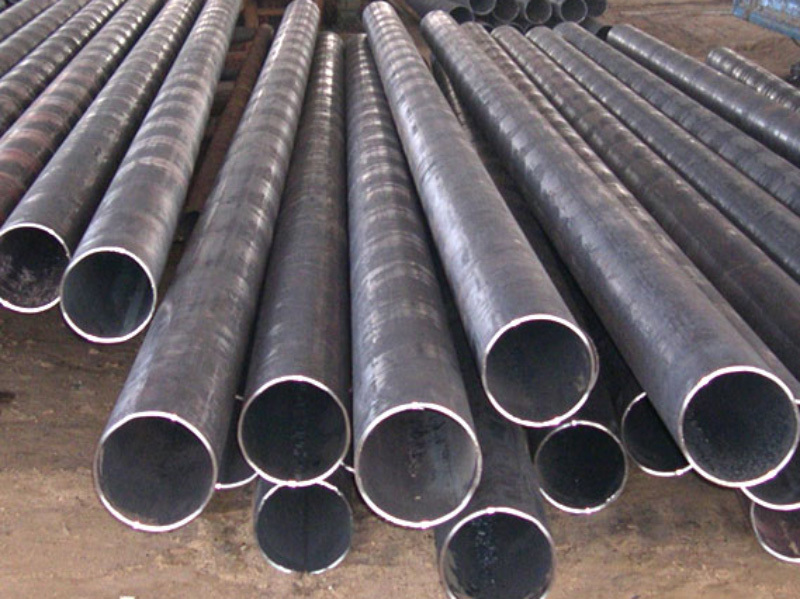
ASTM seamless steel pipes are tubular products manufactured without any welds or seams. This makes them an ideal choice for applications that demand high strength and resistance to pressure. The "ASTM" stands for the American Society for Testing and Materials, which sets the standards for the quality and performance of materials used in construction and other industries. Seamless pipes are produced by heating a solid round steel billet and then piercing it to create a hollow cylinder. The absence of seams ensures uniformity and strength in the pipe, helping to mitigate the risk of failures under pressure.
2. Key Benefits of ASTM Seamless Steel Pipes
ASTM seamless steel pipes offer several advantages that make them essential components in modern construction.
2.1 Superior Strength and Durability
One of the standout features of ASTM seamless steel pipes is their exceptional strength. The manufacturing process creates a solid steel structure that can withstand extreme pressures and stresses. This strength translates into longer-lasting buildings and structures, reducing the need for frequent repairs or replacements.
2.2 Resistance to Corrosion
Seamless steel pipes are often treated with protective coatings or made from alloy materials that enhance their resistance to rust and corrosion. This property is particularly important in construction projects that involve exposure to moisture or chemicals. By using ASTM seamless pipes, builders can significantly extend the lifespan of their structures.
2.3 Flexibility in Design
The versatility of ASTM seamless steel pipes allows architects and engineers to incorporate them into various structural designs. Whether for high-rise buildings, bridges, or industrial facilities, these pipes can be easily manipulated to meet specific design requirements without compromising integrity.
3. Applications of ASTM Seamless Steel Pipes in Construction
The utility of ASTM seamless steel pipes extends across multiple applications in the construction industry.
3.1 Structural Frameworks
ASTM seamless pipes are frequently used in the construction of frameworks for buildings. Their strength and reliability make them suitable for supporting weight and providing stability.
3.2 Plumbing and Mechanical Systems
In plumbing applications, ASTM seamless steel pipes are preferred for their ability to handle high-pressure water and gas. Their leak-proof nature ensures safety and efficiency in mechanical systems, making them indispensable in both residential and commercial buildings.
3.3 Oil and Gas Infrastructure
The oil and gas industry relies heavily on ASTM seamless steel pipes for transporting fluids and gases. Their robustness ensures that they can handle the high pressures typical in these applications, thereby minimizing the risk of leaks and accidents.
4. Manufacturing Process of ASTM Seamless Steel Pipes
The quality of ASTM seamless steel pipes stems from a meticulous manufacturing process that adheres to strict standards.
4.1 Hot and Cold Working Techniques
The production of seamless pipes involves both hot and cold working methods. Hot working typically includes processes like extrusion or rotary piercing, while cold working may involve drawing the pipes to specific dimensions. Each method contributes to the pipe's final properties, including strength and finish.
4.2 Quality Control Standards
ASTM standards dictate rigorous quality control measures throughout the manufacturing process. From raw material selection to final inspection, every step is designed to ensure that the pipes meet or exceed industry expectations.
5. Cost-Effectiveness of Using ASTM Seamless Steel Pipes
While the initial investment in ASTM seamless steel pipes may be higher than that of welded pipes, their long-term benefits often outweigh these costs. The durability and reduced maintenance needs lead to significant savings over the lifespan of the project. Additionally, the efficiency of seamless pipes can lead to quicker project completions, saving labor costs.
6. Environmental Considerations
Sustainability is an essential consideration in modern construction. ASTM seamless steel pipes can contribute to greener building practices due to their recyclability and longevity. The extended lifespan of these pipes means less waste and fewer materials needed for replacements, aligning with environmental goals.
7. Future Trends in ASTM Seamless Steel Pipe Usage
The demand for ASTM seamless steel pipes is anticipated to grow as construction techniques evolve. Innovations in manufacturing processes and materials will likely lead to even more efficient and sustainable solutions. As industries strive for higher standards, the importance of seamless pipes will remain a cornerstone in modern building projects.
8. Frequently Asked Questions (FAQs)
What are the primary advantages of ASTM seamless steel pipes?
The primary advantages include superior strength, durability, resistance to corrosion, and flexibility in design. These features make seamless pipes ideal for various construction applications.
How do ASTM seamless steel pipes compare to welded pipes?
ASTM seamless steel pipes typically offer better strength and resistance to pressure compared to welded pipes, which may have weak points at the seams.
What are common applications for ASTM seamless steel pipes?
Common applications include structural frameworks, plumbing systems, and oil and gas infrastructure. Their versatility makes them suitable for many construction projects.
Are ASTM seamless steel pipes environmentally friendly?
Yes, they are considered environmentally friendly due to their recyclability and longer lifespan, which minimizes waste in construction.
How does the manufacturing process affect the quality of ASTM seamless steel pipes?
The manufacturing process, which includes strict quality control measures, ensures that the pipes meet high standards of strength and reliability.
9. Conclusion
In conclusion, ASTM seamless steel pipes play a vital role in modern building projects. Their unmatched strength, durability, and versatility make them essential for a wide range of applications in construction, plumbing, and infrastructure. As the industry continues to evolve, the reliance on these high-quality materials will only strengthen. Builders and engineers can ensure the success of their projects by choosing ASTM seamless steel pipes, paving the way for safer, more sustainable, and enduring structures.
Hot Tags:
Cangzhou KTD Steel Pipe Co.,ltd
Mengcun County, Cangzhou City, Hebei Province, China 061000


REQUEST QUOTE