Leading Smls Pipe and fittings supplier from China since 1991

Exploring the Benefits of Using ASTM Seamless Steel Pipes: Your Comprehensive Guide
Exploring the Benefits of Using ASTM Seamless Steel Pipes Table of Contents Introduction to ASTM Seamless Steel Pipes What Are ASTM Seamless Steel Pipes? The Key Benefits of Using ASTM Seamless Steel Pipes 1. Strength and Durability 2. Corrosion Resistance 3. Cost-effectiveness 4. Welding and Fabrication Ease A
Nov 08,2025
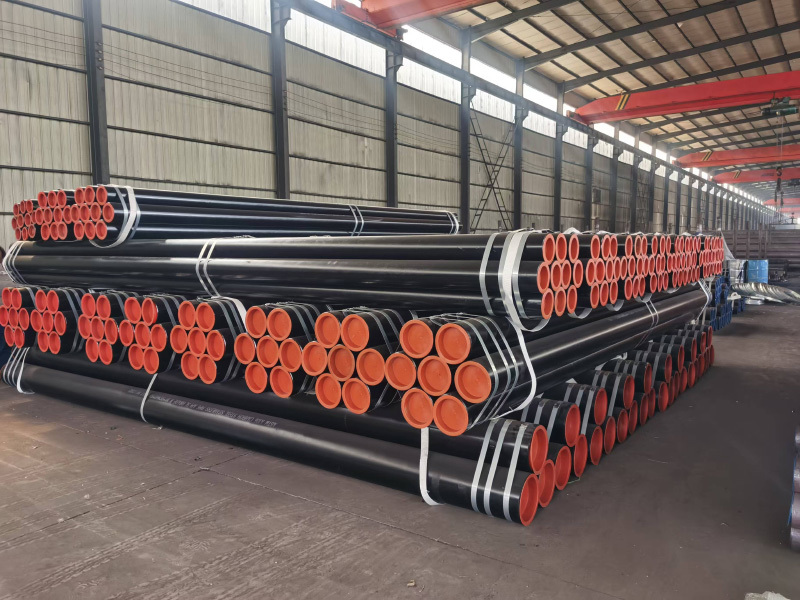
Exploring the Benefits of Using ASTM Seamless Steel Pipes
Table of Contents
- Introduction to ASTM Seamless Steel Pipes
- What Are ASTM Seamless Steel Pipes?
- The Key Benefits of Using ASTM Seamless Steel Pipes
- 1. Strength and Durability
- 2. Corrosion Resistance
- 3. Cost-effectiveness
- 4. Welding and Fabrication Ease
- Applications of ASTM Seamless Steel Pipes
- Compliance and Standards: Meeting ASTM Requirements
- Maintenance and Inspection of Seamless Steel Pipes
- Environmental Considerations of Using Steel Pipes
- Frequently Asked Questions
- Conclusion
Introduction to ASTM Seamless Steel Pipes
In the ever-evolving world of construction and manufacturing, **ASTM seamless steel pipes** have emerged as a vital component due to their exceptional properties and performance. The ASTM (American Society for Testing and Materials) sets rigorous standards for materials used in construction, ensuring that seamless steel pipes meet the highest benchmarks for quality and safety. Understanding the advantages of these pipes is essential for professionals in the field, as they can significantly impact project outcomes.
What Are ASTM Seamless Steel Pipes?
ASTM seamless steel pipes are manufactured from a solid round steel billet, which is heated and then pushed or pulled through a die to create a hollow tube without any seams or welds. This manufacturing process offers several benefits, including improved structural integrity and the ability to withstand extreme conditions. These pipes are commonly used in various industries, including oil and gas, plumbing, construction, and more.
The Key Benefits of Using ASTM Seamless Steel Pipes
1. Strength and Durability
One of the most significant advantages of ASTM seamless steel pipes is their **strength and durability**. The absence of seams means there are no weak points, which often leads to failures in welded pipes. This durability is particularly crucial in high-pressure and high-temperature applications, where reliability is paramount. Seamless steel pipes can withstand heavy loads and resist cracking under stress, making them ideal for critical infrastructure projects.
2. Corrosion Resistance
ASTM seamless steel pipes are often coated with protective materials to enhance their **corrosion resistance**. This feature is vital for applications exposed to harsh environments, such as chemical processing plants and offshore oil rigs. The pipes can also be manufactured from stainless steel or alloyed with other metals to improve their resistance to corrosion, thereby extending their lifespan and reducing maintenance costs.
3. Cost-effectiveness
While the initial investment in ASTM seamless steel pipes may be higher than that of welded alternatives, their **cost-effectiveness** becomes apparent over time. Their extended lifespan and lower maintenance requirements lead to reduced replacement and repair costs. Additionally, their reliable performance minimizes the risk of costly downtimes in industrial settings, ensuring a better return on investment.
4. Welding and Fabrication Ease
Seamless pipes are easier to work with when it comes to **welding and fabrication**. The uniform structure allows for more straightforward and cleaner joints, reducing the risk of defects during assembly. This ease of fabrication can lead to faster project timelines and less labor-intensive procedures, making seamless steel pipes a favored option among contractors.
Applications of ASTM Seamless Steel Pipes
The versatility of ASTM seamless steel pipes allows for a wide range of applications across various industries. Some notable uses include:
- **Oil and Gas**: Seamless pipes are crucial in the transportation of oil and gas, where the integrity of the pipes is essential to prevent leaks and ensure safety.
- **Construction**: In structural applications, seamless steel pipes provide the necessary strength and support for buildings, bridges, and other infrastructure.
- **Automotive Industry**: Used in manufacturing components where strength and precision are critical, seamless pipes are commonly found in automotive frames and chassis.
- **Water Supply Systems**: Their durability and corrosion resistance make them an excellent choice for water supply and plumbing systems.
Compliance and Standards: Meeting ASTM Requirements
Compliance with ASTM standards is crucial for ensuring that seamless steel pipes meet safety and quality benchmarks. The ASTM A106 and A53 standards, for example, establish specifications for seamless carbon steel pipes used in high-temperature service and general applications, respectively. Adhering to these standards guarantees that the pipes will perform reliably in their intended applications.
Maintenance and Inspection of Seamless Steel Pipes
Proper **maintenance and inspection** are vital to prolonging the life of ASTM seamless steel pipes. Regular inspections should be conducted to identify any potential issues, such as corrosion or structural degradation. Implementing a maintenance program that includes cleaning, protective coatings, and timely repairs can enhance the longevity and performance of these pipes.
Environmental Considerations of Using Steel Pipes
While steel production has a significant environmental impact, seamless steel pipes can be part of a more sustainable approach. Many manufacturers are adopting environmentally friendly practices, such as recycling steel and reducing the carbon footprint associated with production. Furthermore, seamless pipes' durability contributes to sustainability by reducing waste through fewer replacements.
Frequently Asked Questions
1. What is the difference between seamless and welded steel pipes?
Seamless pipes are created from solid billets and do not have any welds, while welded pipes are formed by welding together two edges of a pipe. This difference impacts their strength and durability, with seamless pipes typically being stronger.
2. Are ASTM seamless steel pipes more expensive than welded pipes?
Yes, the initial cost of seamless pipes is generally higher due to their manufacturing process. However, their long-term reliability and lower maintenance costs often make them more cost-effective over time.
3. Can ASTM seamless steel pipes be used for high-pressure applications?
Absolutely. ASTM seamless steel pipes are designed to handle high-pressure environments, making them suitable for oil and gas transportation and other demanding applications.
4. How do I choose the right ASTM seamless pipe for my project?
Consider factors such as the application, required specifications (e.g., ASTM A106 vs. A53), environmental conditions, and budget. Consulting with a supplier or industry expert can also provide valuable guidance.
5. What are the maintenance requirements for ASTM seamless steel pipes?
Regular inspections for signs of corrosion or damage are crucial. Maintaining protective coatings and performing timely repairs can significantly extend their lifespan.
Conclusion
In conclusion, **ASTM seamless steel pipes** are an invaluable asset in construction and manufacturing due to their remarkable strength, durability, and versatility. Their ability to withstand extreme conditions and resist corrosion makes them a preferred choice for various applications. By understanding the benefits and proper maintenance practices associated with these pipes, industry professionals can make informed decisions that enhance project outcomes and ensure long-term success. Embracing ASTM seamless steel pipes means investing in quality and reliability, whether for structural purposes or fluid transportation.
Hot Tags:
PREVIOUS:
Cangzhou KTD Steel Pipe Co.,ltd
Mengcun County, Cangzhou City, Hebei Province, China 061000


REQUEST QUOTE