Leading Smls Pipe and fittings supplier from China since 1991

The Role of Seamless Steel Tubes in Modern Architecture: Innovations and Applications
The Role of Seamless Steel Tubes in Modern Architecture Modern architecture continually seeks innovative materials that balance aesthetics and functionality. Among these, **seamless steel tubes** have emerged as a critical component, enhancing both design and structural integrity. This article explores their role in contemporary architecture, examining their properties, applications, and benefits.
Nov 12,2025

The Role of Seamless Steel Tubes in Modern Architecture
Modern architecture continually seeks innovative materials that balance aesthetics and functionality. Among these, **seamless steel tubes** have emerged as a critical component, enhancing both design and structural integrity. This article explores their role in contemporary architecture, examining their properties, applications, and benefits.
Table of Contents
- Introduction to Seamless Steel Tubes
- Key Properties of Seamless Steel Tubes
- Benefits of Using Seamless Steel Tubes in Construction
- Applications of Seamless Steel Tubes in Modern Architecture
- Case Studies: Iconic Structures Utilizing Seamless Steel Tubes
- Sustainability and Seamless Steel Tubes
- The Future of Seamless Steel Tubes in Architecture
- FAQs About Seamless Steel Tubes in Architecture
- Conclusion
Introduction to Seamless Steel Tubes
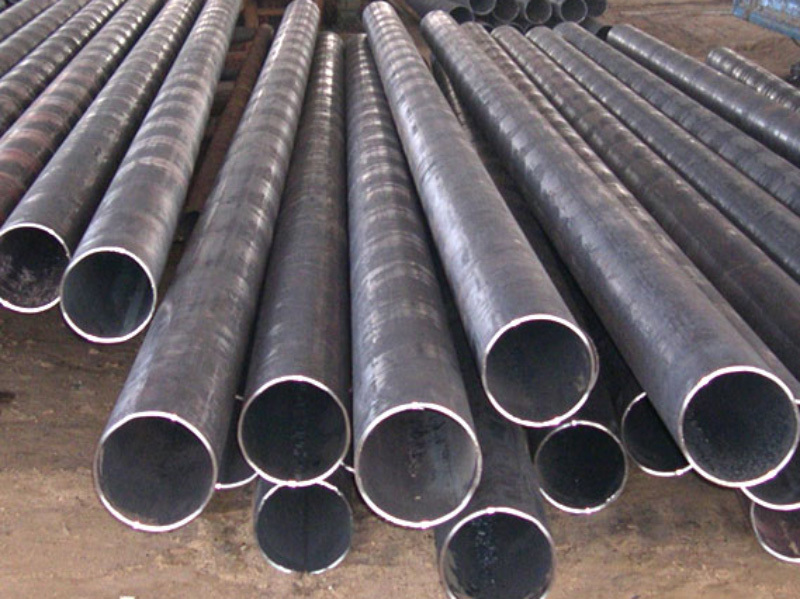
Seamless steel tubes are hollow steel sections manufactured without any seams or welds. Unlike traditional welded pipes, seamless tubes are produced through a process that ensures uniform thickness and reliability. This characteristic makes them particularly valuable in high-stress applications, where strength and durability are essential.
As architecture continues to evolve, the quest for materials that can meet stringent design and engineering demands has led to the increased adoption of seamless steel tubes. Their versatility, combined with advanced manufacturing techniques, has enabled architects and engineers to create structures that were previously thought impossible.
Key Properties of Seamless Steel Tubes
Understanding the properties of seamless steel tubes is crucial to appreciating their value in modern architecture.
Durability and Strength
Seamless steel tubes boast exceptional strength due to their uniform material composition. This durability allows them to withstand high pressures and extreme environmental conditions, making them ideal for structural applications.
Corrosion Resistance
Many seamless steel tubes are treated with coatings or are made from stainless steel, enhancing their resistance to corrosion. This property is particularly beneficial in urban environments where structures are exposed to pollutants and moisture.
Lightweight Design
Despite their strength, seamless steel tubes are relatively lightweight compared to other structural materials. This characteristic allows for easier handling and installation, reducing labor costs and time on construction sites.
Versatility in Design
Seamless steel tubes can be fabricated into various shapes and sizes, offering architects the flexibility to bring their creative visions to life. This versatility enables the integration of seamless tubes into diverse architectural styles, from modernist to industrial.
Benefits of Using Seamless Steel Tubes in Construction
Incorporating seamless steel tubes in construction provides numerous advantages that positively impact both the building process and the final structure.
Enhanced Structural Integrity
The absence of seams in seamless steel tubes minimizes the risk of weaknesses that can occur in welded joints. This feature contributes to overall structural integrity, making buildings safer and more reliable.
Cost-Effectiveness
While the initial cost of seamless steel tubes may be higher than conventional materials, their durability and low maintenance requirements often lead to overall cost savings. Fewer repairs and replacements translate to lower long-term expenses.
Improved Aesthetic Appeal
Seamless steel tubes contribute to a sleek and modern aesthetic, allowing architects to create visually striking designs without compromising structural performance. Their clean lines and smooth surfaces enhance the overall appearance of a building.
Applications of Seamless Steel Tubes in Modern Architecture
Seamless steel tubes find widespread use in various architectural applications, ranging from structural support to decorative elements.
Structural Applications
Seamless steel tubes are commonly used in constructing frameworks for skyscrapers, bridges, and other large structures. Their high strength-to-weight ratio allows for efficient load distribution, enabling architects to design taller and more complex buildings.
Column and Beam Construction
In many modern structures, seamless steel tubes serve as columns and beams, providing robust support while maintaining a minimalist design. This application is particularly prevalent in open-concept spaces where traditional supports may obstruct sightlines.
Bracing Systems
Seamless tubes are also utilized in bracing systems, which add stability and resistance against lateral forces, such as wind and seismic activity. These systems enhance a building's resilience while preserving its aesthetic appeal.
Aesthetic Applications
In addition to structural uses, seamless steel tubes serve as essential components in architectural design.
Railings and Handrails
Seamless steel tubes are popular choices for railings and handrails in commercial and residential properties. Their sleek design enhances safety without detracting from the overall aesthetic of the space.
Decorative Features
Seamless tubes can be used creatively in various decorative applications, such as artistic installations, lighting fixtures, and facades. This versatility allows architects to incorporate unique design elements that enhance a building's character.
Case Studies: Iconic Structures Utilizing Seamless Steel Tubes
To illustrate the transformative role of seamless steel tubes in modern architecture, we can examine several iconic structures that have successfully integrated these materials into their design.
The Burj Khalifa
As the tallest building in the world, the Burj Khalifa in Dubai exemplifies the use of seamless steel tubes in high-rise construction. The building's structural core incorporates seamless steel tubes, which provide the necessary strength and stability to support its impressive height.
The Sydney Harbour Bridge
Another notable example is the Sydney Harbour Bridge, where seamless steel tubes are integral to the bridge's iconic arch design. The use of seamless tubes not only ensures structural integrity but also contributes to the bridge's timeless aesthetic.
Sustainability and Seamless Steel Tubes
Sustainability is a growing concern in modern architecture, and seamless steel tubes can play a pivotal role in promoting eco-friendly building practices.
Recyclability
Steel is one of the most recycled materials globally, and the use of seamless steel tubes supports sustainable construction practices. When buildings reach the end of their life cycle, the materials can be repurposed, minimizing waste.
Energy Efficiency
Buildings constructed with seamless steel tubes often benefit from improved energy efficiency due to their structural integrity. Enhanced insulation and reduced energy consumption contribute to a lower environmental impact.
The Future of Seamless Steel Tubes in Architecture
As technology advances, the potential applications of seamless steel tubes in architecture will undoubtedly expand. Innovations in manufacturing processes, such as 3D printing and the integration of smart materials, may further enhance the capabilities of seamless steel tubes.
Adaptive Reuse
The trend of adaptive reuse, where old structures are repurposed for new uses, will likely see increased integration of seamless steel tubes. Their strength and aesthetic appeal make them ideal for modernizing existing buildings while preserving historical elements.
Smart Building Integration
The future may also see seamless steel tubes as integral components in smart buildings. With the incorporation of sensors and IoT technologies, seamless tubes could contribute to real-time monitoring of structural health and performance.
FAQs About Seamless Steel Tubes in Architecture
1. What are seamless steel tubes made from?
Seamless steel tubes are typically made from carbon steel, stainless steel, or alloy steel, depending on the desired properties and application.
2. How are seamless steel tubes manufactured?
Seamless tubes are produced through processes such as extrusion or rotary piercing, which create hollow tubes without seams or welds.
3. What are the advantages of seamless steel tubes over welded tubes?
Seamless tubes offer improved strength, uniformity, and reduced risk of failure compared to welded tubes, making them a preferred choice for high-stress applications.
4. Can seamless steel tubes be used in residential construction?
Yes, seamless steel tubes are increasingly being utilized in residential construction for structural support, railings, and other aesthetic features.
5. Are seamless steel tubes environmentally friendly?
Seamless steel tubes are recyclable and can contribute to sustainable building practices, making them an environmentally friendly choice in construction.
Conclusion
Seamless steel tubes play a vital role in modern architecture, offering a unique blend of strength, versatility, and aesthetic appeal. As architectural practices continue to evolve, the demand for innovative materials like seamless steel tubes will only increase. Their applications in both structural and decorative elements highlight their importance in shaping the future of architectural design. By embracing seamless steel tubes, architects and builders can create sustainable, aesthetically pleasing, and structurally sound environments that meet the demands of contemporary society.
Hot Tags:
PREVIOUS:
Cangzhou KTD Steel Pipe Co.,ltd
Mengcun County, Cangzhou City, Hebei Province, China 061000


REQUEST QUOTE