Leading Smls Pipe and fittings supplier from China since 1991

Learning About the Standards and Specifications for Carbon Steel Seamless Steel Pipes
Introduction to Carbon Steel Seamless Steel Pipes In the construction and manufacturing industries, carbon steel seamless steel pipes play a vital role due to their strength and versatility. These pipes are utilized in a variety of applications, including oil and gas, water transmission, and structural frameworks. Understanding the standards and specifications that govern these materials is essent
Nov 16,2025

Introduction to Carbon Steel Seamless Steel Pipes
In the construction and manufacturing industries, carbon steel seamless steel pipes play a vital role due to their strength and versatility. These pipes are utilized in a variety of applications, including oil and gas, water transmission, and structural frameworks. Understanding the standards and specifications that govern these materials is essential for ensuring quality, safety, and compliance across projects.
What are Carbon Steel Seamless Steel Pipes?
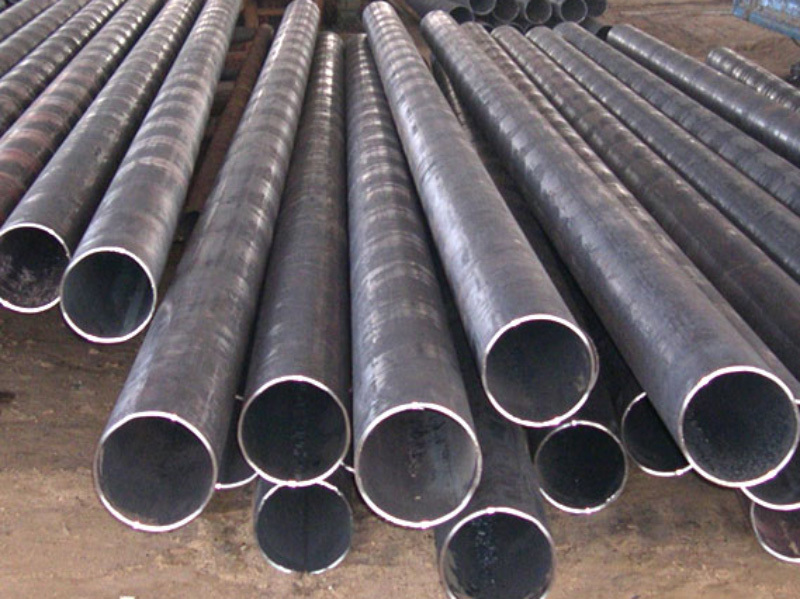
Carbon steel seamless pipes are cylindrical tubes manufactured from carbon steel without a seam or weld, which enhances their durability and resistance to pressure. Their seamless nature makes them ideal for high-pressure applications where welded joints could fail. The manufacturing process involves heating and piercing solid steel billets, then stretching them into the desired pipe dimensions.
Characteristics of Carbon Steel Seamless Steel Pipes
Carbon steel seamless pipes possess various characteristics that make them preferred in many industrial applications:
1. **Strength**: The absence of seams results in an even distribution of stress throughout the pipe, enhancing its overall strength.
2. **Durability**: Carbon steel is known for its robustness and resistance to wear, making these pipes suitable for harsh environments.
3. **High-Pressure Resistance**: Seamless pipes can withstand higher pressure levels compared to welded pipes, making them ideal for critical applications.
Standards Governing Carbon Steel Seamless Steel Pipes
Various international and national standards govern the production and use of carbon steel seamless pipes to ensure they meet specific performance criteria. Understanding these standards is crucial for manufacturers, suppliers, and end-users alike.
ASTM Standards for Carbon Steel Seamless Pipes
The American Society for Testing and Materials (ASTM) sets forth several standards relevant to carbon steel seamless pipes:
- **ASTM A106**: This specification covers seamless carbon steel pipes for high-temperature service. It stipulates the chemical composition and mechanical properties required for various grades.
- **ASTM A53**: This standard applies to welded and seamless steel pipes for mechanical and pressure applications. It is commonly used in structural applications and plumbing.
- **ASTM A335**: This specification covers seamless ferritic alloy-steel pipes for high-temperature service. It is particularly significant in the power generation industry.
API Specifications for Seamless Steel Pipes
The American Petroleum Institute (API) also establishes standards for pipes used in the oil and gas industry, such as:
- **API 5L**: This specification applies to line pipes and is essential for transporting oil and gas. It outlines the requirements for seamless and welded steel pipes, ensuring they can withstand the stresses encountered during transportation.
- **API 5CT**: Governing casing and tubing pipes in oil and gas wells, this standard ensures the pipes meet specific mechanical properties and dimensions.
Specifications for Carbon Steel Seamless Pipes
When discussing specifications, we refer to the detailed attributes a pipe must possess to meet industry needs, including dimensions, materials, and mechanical properties.
Key Specifications to Consider
1. **Dimensions**: The nominal pipe size (NPS) and schedule (wall thickness) are crucial for ensuring compatibility with fittings and equipment.
2. **Material Grade**: The grade of carbon steel affects the pipe's durability and suitability for specific applications. Common grades include Grade A, B, and C, with varying yield and tensile strengths.
3. **Chemical Composition**: The elemental makeup of carbon steel (like carbon content, manganese, and sulfur) influences its mechanical properties and corrosion resistance.
4. **Mechanical Properties**: Tensile strength, yield strength, and elongation are critical metrics that dictate the pipe's performance under stress.
Testing Standards for Quality Assurance
Quality assurance is essential for ensuring the safety and reliability of carbon steel seamless pipes. Several testing methods are employed:
- **Hydrostatic Testing**: This involves filling the pipe with water and pressurizing it to check for leaks and structural integrity.
- **Ultrasonic Testing**: This non-destructive testing method uses sound waves to detect internal flaws within the pipe.
- **Magnetic Particle Testing**: This technique identifies surface and near-surface defects, ensuring the pipes meet quality standards.
Applications of Carbon Steel Seamless Steel Pipes
The versatility of carbon steel seamless pipes allows them to be deployed across numerous industries. Here are some of the most common applications:
Oil and Gas Industry
In this sector, seamless pipes are critical for transporting hydrocarbons from extraction sites to refineries. Their ability to handle high pressures and temperatures makes them ideal for pipelines and casing applications.
Construction and Infrastructure
Carbon steel seamless pipes are widely used in structural applications, including scaffolding and support systems. Their robustness ensures the safety and stability of buildings and infrastructure projects.
Water Supply and Distribution
These pipes are also used for transporting potable water, where corrosion resistance and durability are needed for long-term reliability.
Manufacturing and Machinery
In manufacturing settings, seamless pipes are utilized in machinery and equipment, where strength and reliability are paramount.
Advantages of Carbon Steel Seamless Steel Pipes
The choice of carbon steel seamless pipes comes with several distinct advantages:
Enhanced Durability
The seamless construction provides increased durability, making them less susceptible to leaks and failures.
Improved Pressure Handling
These pipes can handle higher levels of pressure without compromising structural integrity. This capability makes them invaluable in high-pressure applications.
Cost-Effectiveness
While the initial investment may be higher, the durability and longevity of seamless pipes often result in lower maintenance costs over their lifespan.
Corrosion Resistance
With proper surface treatment and coating, carbon steel seamless pipes can achieve significant corrosion resistance, extending their usability in various environments.
Maintenance and Care for Carbon Steel Seamless Steel Pipes
To ensure the longevity and functionality of carbon steel seamless pipes, regular maintenance is essential. Here are some recommended practices:
Regular Inspections
Conducting periodic inspections can help identify potential issues such as corrosion or structural integrity problems before they escalate.
Proper Coating and Painting
Applying protective coatings can help mitigate corrosion and extend the life of the pipes, particularly when used in harsh environments.
Monitoring Pressure Levels
Regularly monitoring the pressure within the pipes can prevent unexpected failures and maintain safe operating conditions.
Frequently Asked Questions
1. What is the difference between seamless and welded steel pipes?
Seamless pipes are formed without joints or seams, allowing for higher strength and pressure resistance, while welded pipes are constructed by joining two edges together.
2. What are the standard grades of carbon steel seamless pipes?
Common grades include A106 Grade B, A53 Grade B, and API 5L X42, each with varying mechanical properties suitable for specific applications.
3. How are carbon steel seamless pipes manufactured?
They are produced through a process of heating and piercing solid steel billets, followed by elongation to form the desired pipe shape.
4. What industries use carbon steel seamless pipes?
Primarily, they are used in the oil and gas, construction, water supply, and manufacturing industries due to their strength and durability.
5. What are the common testing methods for quality assurance?
Common methods include hydrostatic testing, ultrasonic testing, and magnetic particle testing to ensure the pipes meet required standards.
Conclusion
Understanding the standards and specifications for carbon steel seamless steel pipes is crucial for industry professionals. These pipes are essential components in many applications, offering durability, strength, and adaptability. By adhering to established standards, manufacturers and users can ensure the safety and reliability of their projects, making carbon steel seamless pipes a preferred choice across various sectors. Whether it’s in the oil and gas industry or construction, being knowledgeable about these specifications can provide a competitive advantage and contribute to the successful implementation of projects.
Hot Tags:
Cangzhou KTD Steel Pipe Co.,ltd
Mengcun County, Cangzhou City, Hebei Province, China 061000


REQUEST QUOTE