Leading Smls Pipe and fittings supplier from China since 1991

Understanding Welding Neck Flanges: Key Features and Applications
Welding neck flanges are specialized components designed primarily for high-pressure and temperature piping systems. They are characterized by a long tapered neck that allows for a smooth transition from the flange to the pipe, providing enhanced strength and rigidity. This unique design not only aids in the reduction of stress concentrations but also enables the flange to withstand significant me
Nov 30,2025
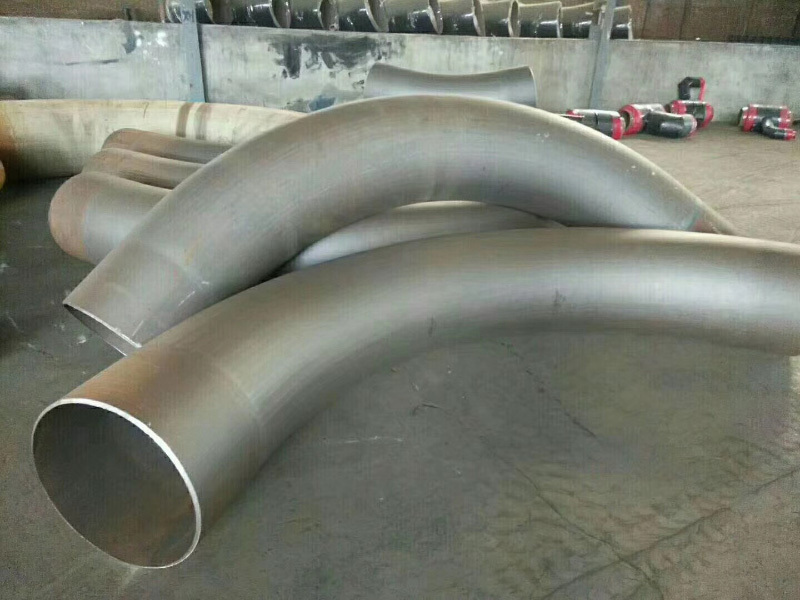
Welding neck flanges are specialized components designed primarily for high-pressure and temperature piping systems. They are characterized by a long tapered neck that allows for a smooth transition from the flange to the pipe, providing enhanced strength and rigidity. This unique design not only aids in the reduction of stress concentrations but also enables the flange to withstand significant mechanical loads.
One of the primary advantages of welding neck flanges is their ability to provide a strong and reliable joint. The flange is welded to the pipe, ensuring a continuous and leak-proof connection. This is particularly important in applications where fluid containment is critical, such as in oil and gas, chemical processing, and other industrial settings. The welding process creates a robust bond that can endure the harsh conditions often found in these environments.
In addition to their strength, welding neck flanges are also designed to allow for easy alignment during installation. Their long neck can accommodate minor misalignments in the piping system, making them a preferred choice for many engineers and contractors. This feature not only simplifies the installation process but also helps to maintain the integrity of the piping system over time.
Furthermore, welding neck flanges are often used in systems requiring high levels of sanitation, such as in food and beverage processing or pharmaceutical manufacturing. The absence of crevices in the design minimizes the risk of contamination, making them ideal for situations where cleanliness is paramount.
When selecting a welding neck flange, it is essential to consider factors such as material compatibility, temperature, and pressure ratings. Common materials for these flanges include carbon steel, stainless steel, and various alloys, each suited for specific applications. Understanding the operational environment is critical to ensuring the longevity and performance of the flange.
Maintenance of welding neck flanges is relatively straightforward, but it is important to regularly inspect for signs of wear, corrosion, or leaks. Proper care can extend the lifespan of the flanges and the overall piping system, providing a reliable performance over many years.
In conclusion, welding neck flanges are a vital component in various piping applications, known for their strength, durability, and ease of installation. Their design features and suitability for high-stress environments make them an optimal choice for professionals in the construction and decorative materials industry. By selecting the right materials and maintaining the integrity of these flanges, you can ensure a safe and efficient piping system for your projects.
One of the primary advantages of welding neck flanges is their ability to provide a strong and reliable joint. The flange is welded to the pipe, ensuring a continuous and leak-proof connection. This is particularly important in applications where fluid containment is critical, such as in oil and gas, chemical processing, and other industrial settings. The welding process creates a robust bond that can endure the harsh conditions often found in these environments.
In addition to their strength, welding neck flanges are also designed to allow for easy alignment during installation. Their long neck can accommodate minor misalignments in the piping system, making them a preferred choice for many engineers and contractors. This feature not only simplifies the installation process but also helps to maintain the integrity of the piping system over time.
Furthermore, welding neck flanges are often used in systems requiring high levels of sanitation, such as in food and beverage processing or pharmaceutical manufacturing. The absence of crevices in the design minimizes the risk of contamination, making them ideal for situations where cleanliness is paramount.
When selecting a welding neck flange, it is essential to consider factors such as material compatibility, temperature, and pressure ratings. Common materials for these flanges include carbon steel, stainless steel, and various alloys, each suited for specific applications. Understanding the operational environment is critical to ensuring the longevity and performance of the flange.
Maintenance of welding neck flanges is relatively straightforward, but it is important to regularly inspect for signs of wear, corrosion, or leaks. Proper care can extend the lifespan of the flanges and the overall piping system, providing a reliable performance over many years.
In conclusion, welding neck flanges are a vital component in various piping applications, known for their strength, durability, and ease of installation. Their design features and suitability for high-stress environments make them an optimal choice for professionals in the construction and decorative materials industry. By selecting the right materials and maintaining the integrity of these flanges, you can ensure a safe and efficient piping system for your projects.
Hot Tags:
Cangzhou KTD Steel Pipe Co.,ltd
Mengcun County, Cangzhou City, Hebei Province, China 061000


REQUEST QUOTE