Leading Smls Pipe and fittings supplier from China since 1991

The Role of ASTM Seamless Steel Pipes in Structural Integrity
The Role of ASTM Seamless Steel Pipes in Structural Integrity Table of Contents 1. Introduction to ASTM Seamless Steel Pipes 2. What Are ASTM Seamless Steel Pipes? 3. Properties of ASTM Seamless Steel Pipes 4. ASTM Standards and Their Importance 5. Applications of ASTM Seamless Steel Pipes in Construction 6. Advantages of Using ASTM Seamless Steel Pipes 7. Challenges and Considerati
Feb 28,2026
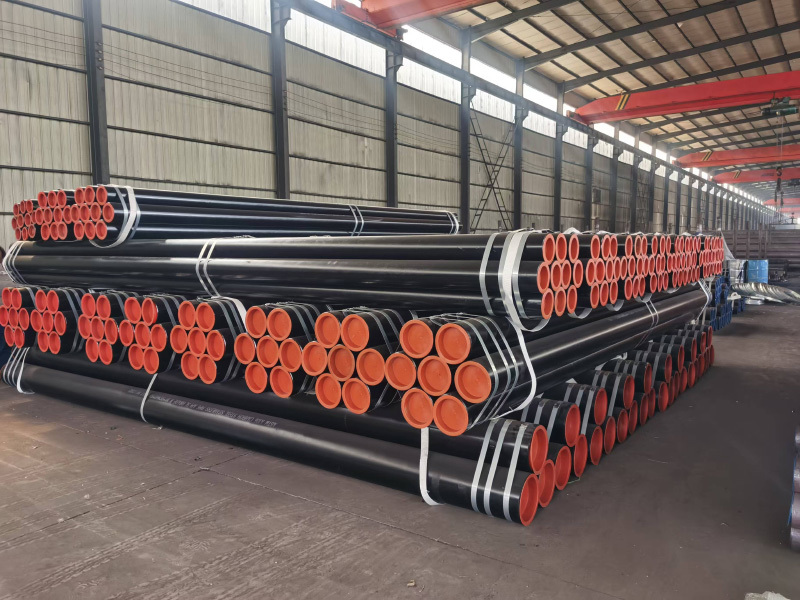
The Role of ASTM Seamless Steel Pipes in Structural Integrity
Table of Contents
- 1. Introduction to ASTM Seamless Steel Pipes
- 2. What Are ASTM Seamless Steel Pipes?
- 3. Properties of ASTM Seamless Steel Pipes
- 4. ASTM Standards and Their Importance
- 5. Applications of ASTM Seamless Steel Pipes in Construction
- 6. Advantages of Using ASTM Seamless Steel Pipes
- 7. Challenges and Considerations
- 8. The Future of ASTM Seamless Steel Pipes in Structural Design
- 9. Frequently Asked Questions (FAQs)
- 10. Conclusion
1. Introduction to ASTM Seamless Steel Pipes
In the construction and architectural industry, the choice of materials is crucial in ensuring safety, durability, and functionality. Among the various materials available, **ASTM seamless steel pipes** stand out as a reliable option due to their robust properties and versatility. This article explores the significance of ASTM seamless steel pipes in ensuring structural integrity across a wide range of applications.
2. What Are ASTM Seamless Steel Pipes?
**ASTM seamless steel pipes** are defined as cylindrical tubes made from steel, manufactured without any welds or seams. They are produced through a process that involves heating a solid round steel billet and then piercing it to create a hollow tube. This method ensures that the pipes have a uniform structure and the absence of weaknesses that can occur at welded joints.
The ASTM (American Society for Testing and Materials) sets specific standards that these pipes must meet, ensuring they are suitable for various applications in construction, oil and gas industries, and more.
3. Properties of ASTM Seamless Steel Pipes
ASTM seamless steel pipes exhibit a range of properties that make them highly desirable in construction:
3.1 Strength and Durability
The manufacturing process imparts exceptional strength to these pipes, enabling them to withstand high pressures and heavy loads. This attribute is vital for structural integrity, especially in high-rise buildings, bridges, and other heavy constructions.
3.2 Corrosion Resistance
Seamless steel pipes can be coated or treated to enhance their resistance to corrosion and oxidation. This feature is particularly important in environments exposed to moisture or chemicals, ensuring the longevity of the structure.
3.3 High Temperature and Pressure Tolerance
These pipes can handle extreme temperatures and pressures, making them suitable for applications in power plants and chemical processing facilities.
3.4 Versatility in Design
The availability of various sizes and grades allows for flexibility in design and construction. Engineers can select the appropriate pipe based on specific project requirements.
4. ASTM Standards and Their Importance
Adhering to ASTM standards is crucial to ensure that seamless steel pipes meet the required quality and safety specifications. The most relevant standards include:
4.1 ASTM A106
This standard covers seamless carbon steel pipes for high-temperature service. It specifies the chemical composition, mechanical properties, and testing requirements, ensuring reliability in high-stress environments.
4.2 ASTM A53
Designed for welded and seamless pipes, this standard applies to pipes used in mechanical and pressure applications. It outlines the minimum requirements for yield and tensile strength, ensuring safety in construction.
4.3 ASTM A333
This standard applies to seamless and welded steel pipes intended for low-temperature service. It addresses concerns related to brittleness and ensures performance in cold environments.
5. Applications of ASTM Seamless Steel Pipes in Construction
ASTM seamless steel pipes are widely used in various sectors due to their unique properties:
5.1 Structural Applications
In structural engineering, these pipes serve as critical components in frameworks, beams, and columns. Their strength ensures the stability of buildings and bridges.
5.2 Oil and Gas Transportation
Seamless steel pipes are extensively used in the oil and gas industry for transporting hydrocarbons under high pressure. Their ability to resist corrosion is essential in maintaining safety and efficiency.
5.3 Water Supply Systems
In municipal water supply systems, these pipes provide a reliable means of transporting water. Their durability minimizes the risk of leaks and failures.
5.4 Chemical Industry
Due to their resistance to extreme conditions, seamless pipes are found in chemical processing plants, where they transport various fluids safely.
6. Advantages of Using ASTM Seamless Steel Pipes
Utilizing ASTM seamless steel pipes offers numerous advantages to construction projects:
6.1 Enhanced Structural Integrity
The absence of welds contributes to the overall strength of the pipes, reducing the risk of failures and enhancing the structural integrity of buildings.
6.2 Cost-Effectiveness
While the initial cost may be higher than welded alternatives, the long-term benefits of durability and reduced maintenance can result in cost savings over time.
6.3 Safety Compliance
Meeting ASTM standards ensures that the pipes are safe for use in high-pressure and high-temperature environments, protecting both workers and infrastructure.
6.4 Reduced Risk of Defects
Seamless pipes are less prone to defects associated with welds, such as cracks and leaks, resulting in a more reliable construction material.
7. Challenges and Considerations
Despite their numerous advantages, there are challenges associated with using ASTM seamless steel pipes:
7.1 Higher Manufacturing Costs
The production process of seamless pipes can be more expensive compared to welded pipes, which may affect budget considerations for some projects.
7.2 Limited Availability
Depending on the specifications required, seamless pipes may be less readily available than their welded counterparts, leading to potential delays in projects.
7.3 Weight Considerations
While strong, seamless steel pipes can be heavier than other materials, necessitating careful planning in terms of transportation and installation.
8. The Future of ASTM Seamless Steel Pipes in Structural Design
As technology advances, the future of ASTM seamless steel pipes looks promising. Innovations in manufacturing processes, such as advancements in metallurgy and fabrication techniques, are expected to enhance their performance further.
Additionally, the growing emphasis on sustainability in construction may lead to more eco-friendly production methods for seamless pipes. As demand for high-strength, durable materials continues to rise, ASTM seamless steel pipes will likely remain integral to the construction and engineering sectors.
9. Frequently Asked Questions (FAQs)
9.1 What is the main difference between seamless and welded steel pipes?
The primary difference lies in the manufacturing process. Seamless pipes are made from solid steel billets without any welds, while welded pipes are formed by welding two edges of a flat steel plate together.
9.2 Are ASTM seamless steel pipes more expensive than welded pipes?
Yes, generally, seamless pipes are more expensive due to the more complex manufacturing process. However, the long-term benefits often outweigh the initial costs.
9.3 Can ASTM seamless steel pipes be used for low-temperature applications?
Yes, certain ASTM standards, like A333, specifically address the use of seamless pipes in low-temperature environments, ensuring safety and performance.
9.4 How do I select the right ASTM seamless steel pipe for my project?
Factors to consider include the specific ASTM standard applicable, the environmental conditions, pressure requirements, and the type of fluids being transported.
9.5 What maintenance do ASTM seamless steel pipes require?
Regular inspections for corrosion and structural integrity are essential. Depending on the environment, protective coatings may be necessary to enhance durability.
10. Conclusion
ASTM seamless steel pipes play a pivotal role in ensuring the structural integrity of various construction projects. Their unmatched strength, durability, and adherence to stringent ASTM standards make them an ideal choice for engineers and architects alike. As the construction industry continues to evolve, the relevance of these pipes will undoubtedly persist, reinforcing their importance in modern structural design. Understanding their properties, advantages, and potential challenges will empower stakeholders to make informed decisions that prioritize safety and durability in construction projects.
Hot Tags:
Cangzhou KTD Steel Pipe Co.,ltd
Mengcun County, Cangzhou City, Hebei Province, China 061000


REQUEST QUOTE