Leading Smls Pipe and fittings supplier from China since 1991

The Environmental Benefits of Using ASTM Seamless Carbon Steel Pipes
The Environmental Benefits of Using ASTM Seamless Carbon Steel Pipes Introduction to ASTM Seamless Carbon Steel Pipes In the realm of construction and manufacturing, **ASTM seamless carbon steel pipes** are gaining significant traction due to their durability and versatility. Unlike their welded counterparts, seamless pipes are manufactured without any joints, which enhances their strength and rel
Mar 28,2026
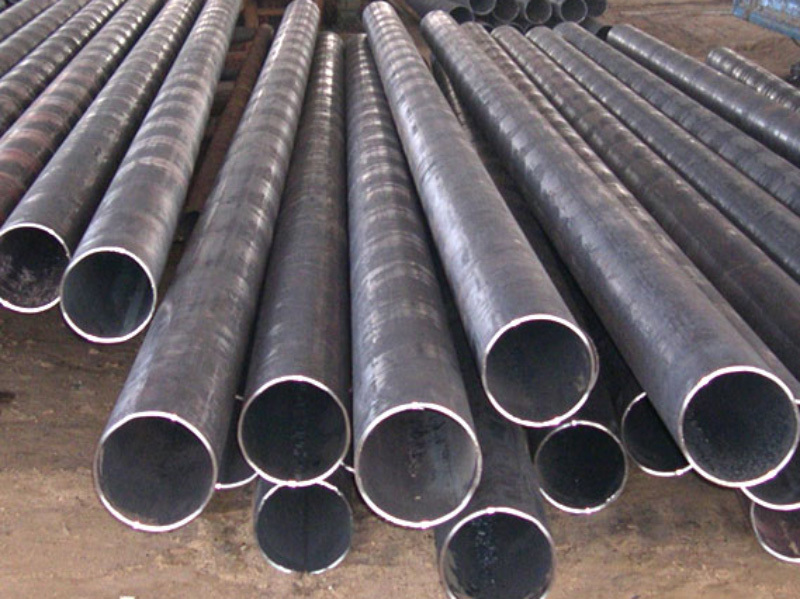
The Environmental Benefits of Using ASTM Seamless Carbon Steel Pipes
Introduction to ASTM Seamless Carbon Steel Pipes
In the realm of construction and manufacturing, **ASTM seamless carbon steel pipes** are gaining significant traction due to their durability and versatility. Unlike their welded counterparts, seamless pipes are manufactured without any joints, which enhances their strength and reliability. This unique manufacturing process not only elevates their performance but also offers numerous **environmental benefits** that are crucial in today’s eco-conscious world.
Understanding the Environmental Impact of Construction Materials
The construction industry is a major contributor to global carbon emissions and resource depletion. As such, it is imperative to explore materials that can minimize environmental harm. Each choice of material can either exacerbate or alleviate these impacts. By choosing sustainable options like ASTM seamless carbon steel pipes, builders can significantly reduce their ecological footprint.
The Manufacturing Process: A Step Towards Sustainability
1. Energy Efficiency in Production
The manufacturing process of ASTM seamless carbon steel pipes involves the use of high-quality steel, which is produced using advanced technologies that are increasingly energy-efficient. Modern steel mills incorporate practices that reduce energy consumption, thereby lowering the carbon footprint associated with steel production. Moreover, the seamless design minimizes waste during manufacturing, which is a significant step towards sustainability.
2. Reduced Resource Consumption
Another striking environmental advantage of ASTM seamless carbon steel pipes is their capacity to utilize resources more effectively. The absence of welds not only enhances performance but also reduces the amount of steel needed per unit. This reduction in material usage leads to less mining, less energy consumption, and, ultimately, a smaller ecological footprint.
Longevity and Durability: A Sustainable Choice
1. Extended Lifespan
The durability of ASTM seamless carbon steel pipes is a fundamental aspect of their environmental benefits. These pipes are designed to withstand extreme conditions, including high pressure and corrosive environments. As a result, they have a significantly longer lifespan compared to other piping materials. This longevity translates to fewer replacements and repairs, reducing resource consumption over time.
2. Resistance to Corrosion
Corrosion is a significant issue in piping systems, leading to leaks, waste, and environmental contamination. ASTM seamless carbon steel pipes are treated with protective coatings that enhance their resistance to corrosion. This characteristic not only prolongs their life but also diminishes the likelihood of harmful substances leaking into the environment.
Recyclability: Closing the Loop
1. A Sustainable End-of-Life Solution
One of the most compelling environmental benefits of ASTM seamless carbon steel pipes is their **recyclability**. At the end of their service life, these pipes can be completely recycled and repurposed into new steel products. This reduces the need for new raw materials, conserves energy, and minimizes waste in landfills.
2. Contribution to Circular Economy
By promoting the recycling of steel, ASTM seamless carbon steel pipes contribute to the circular economy. This economic model emphasizes the value of reusing materials and minimizing waste, ultimately leading to a more sustainable industrial ecosystem. Choosing materials that support this model is essential for builders aiming to operate sustainably.
Reducing Carbon Emissions: A Vital Contribution
1. Lower Carbon Footprint
The production and use of ASTM seamless carbon steel pipes significantly contribute to lowering carbon emissions. Their energy-efficient manufacturing process and long-lasting nature mean that less energy is consumed over their lifecycle. This reduction in energy usage directly correlates with lower greenhouse gas emissions.
2. Optimizing Transportation Efficiency
Transportation is another area where carbon emissions can be minimized. The strength and lightweight nature of seamless pipes enable more efficient transportation methods, reducing fuel consumption and emissions during transit. This is particularly beneficial for long-distance shipping and project logistics.
ASTM Seamless Carbon Steel Pipes in Green Building Practices
1. Compliance with Environmental Standards
Many green building certifications, such as LEED (Leadership in Energy and Environmental Design), recognize the use of sustainable materials in construction. ASTM seamless carbon steel pipes meet stringent environmental standards, making them a preferred choice for projects aiming for certification.
2. Contribution to Sustainable Infrastructure
Incorporating ASTM seamless carbon steel pipes into infrastructure projects is a strategic choice for building sustainable cities. Their strength and durability make them ideal for a variety of applications, including water distribution systems, gas pipelines, and structural frameworks, all of which are integral to sustainable urban development.
Cost-Effectiveness: An Economic Perspective
1. Long-Term Savings
Although the initial investment in ASTM seamless carbon steel pipes might be higher than alternative materials, their durability and low maintenance requirements lead to **significant long-term savings**. Fewer replacements and repairs mean that the total cost of ownership is lower, making them an economically sound choice for builders.
2. Tax Incentives for Sustainable Materials
In many regions, the use of environmentally friendly materials can qualify for tax incentives or grants. By opting for ASTM seamless carbon steel pipes, builders not only contribute to sustainability but also potentially benefit from financial incentives that enhance their project budget.
Conclusion
ASTM seamless carbon steel pipes represent a compelling choice for environmentally conscious construction and manufacturing. Their energy-efficient production, longevity, recyclability, and contribution to reduced carbon emissions underscore their role in promoting sustainability. By integrating these pipes into building practices, we can drive significant progress towards a greener future while enjoying the economic benefits that come with smart material choices. As the construction industry continues to evolve, the emphasis on sustainable materials like ASTM seamless carbon steel pipes will be pivotal in shaping our ecological landscape for generations to come.
Frequently Asked Questions (FAQs)
1. What are the primary environmental benefits of ASTM seamless carbon steel pipes?
The primary benefits include energy efficiency in production, reduced resource consumption, recyclability, lower carbon emissions, and long-lasting durability.
2. How do ASTM seamless carbon steel pipes compare to welded pipes?
Seamless pipes are generally stronger and more reliable due to the absence of welds, leading to fewer failures and longer lifespans.
3. Can ASTM seamless carbon steel pipes be recycled?
Yes, these pipes are fully recyclable, contributing to a circular economy and minimizing waste.
4. How do these pipes contribute to green building certifications?
Their adherence to environmental standards and sustainability practices enables projects to achieve certifications like LEED.
5. Are there economic advantages to using ASTM seamless carbon steel pipes?
Yes, while the initial cost may be higher, their durability and low maintenance requirements lead to long-term cost savings and potential tax incentives.
Hot Tags:

Cangzhou KTD Steel Pipe Co.,ltd
Mengcun County, Cangzhou City, Hebei Province, China 061000


REQUEST QUOTE