Leading Smls Pipe and fittings supplier from China since 1991

Fire Resistance and Carbon Steel Seamless Steel Pipes: What Builders Should Know
Fire Resistance and Carbon Steel Seamless Steel Pipes: What Builders Should Know Table of Contents 1. Introduction to Carbon Steel Seamless Pipes 2. The Importance of Fire Resistance in Construction 3. Properties of Carbon Steel and Its Role in Fire Resistance 4. Fire Resistance Standards for Steel Pipes 5. Seamless vs. Welded Steel Pipes: A Comparison 6. Applications of C
Jun 27,2026
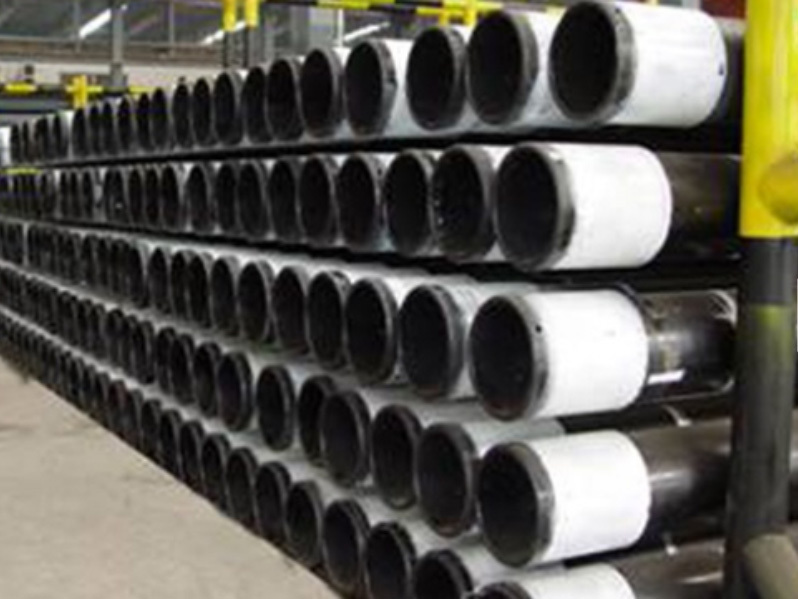
Fire Resistance and Carbon Steel Seamless Steel Pipes: What Builders Should Know
Table of Contents
- 1. Introduction to Carbon Steel Seamless Pipes
- 2. The Importance of Fire Resistance in Construction
- 3. Properties of Carbon Steel and Its Role in Fire Resistance
- 4. Fire Resistance Standards for Steel Pipes
- 5. Seamless vs. Welded Steel Pipes: A Comparison
- 6. Applications of Carbon Steel Seamless Pipes in Fire Safety
- 7. Best Practices for Using Carbon Steel Seamless Pipes
- 8. Frequently Asked Questions
- 9. Conclusion
1. Introduction to Carbon Steel Seamless Pipes
Carbon steel seamless pipes are a vital component in the construction industry, known for their strength, durability, and versatility. Unlike welded pipes, seamless pipes are manufactured without any joints, which significantly enhances their ability to withstand high pressure and temperature. This feature makes them particularly important in applications where fire resistance is crucial.
Understanding the properties and benefits of carbon steel seamless pipes is essential for builders. In this article, we will delve into the fire resistance characteristics of these pipes, relevant standards, and best practices for implementation.
2. The Importance of Fire Resistance in Construction
Fire resistance is a critical factor in construction, especially in high-risk environments. The ability of materials to withstand fire can significantly impact the safety of a building and its occupants. For builders, understanding the fire-resistant properties of materials like carbon steel seamless pipes is essential for ensuring compliance with local codes and regulations.
Fire-resistant materials can help contain fires, protect structural integrity, and provide occupants with essential time to evacuate. As the construction industry evolves, the demand for materials that offer enhanced fire resistance continues to grow, influencing design, material selection, and safety protocols.
3. Properties of Carbon Steel and Its Role in Fire Resistance
Carbon steel, primarily composed of iron and carbon, exhibits several properties that contribute to its fire resistance. Here are the key characteristics:
3.1 High Melting Point
Carbon steel has a high melting point, typically around 1425 to 1540 degrees Celsius, depending on the carbon content. This property allows carbon steel seamless pipes to retain structural integrity under high temperatures, making them ideal for fire-prone environments.
3.2 Strength and Durability
The strength of carbon steel enhances its resistance to deformation during a fire. This durability reduces the likelihood of catastrophic failure, ensuring that pipes maintain their shape and functionality even in extreme conditions.
3.3 Low Thermal Expansion
Carbon steel exhibits low thermal expansion, which means it expands and contracts minimally when exposed to heat. This characteristic helps maintain the integrity of connections and joints, reducing the risk of leaks and failures during fires.
4. Fire Resistance Standards for Steel Pipes
Compliance with fire resistance standards is crucial for builders and engineers. Various organizations set guidelines to ensure that materials meet specific fire safety criteria. Here are some key standards relevant to carbon steel seamless pipes:
4.1 ASTM E119
The ASTM E119 standard specifies the fire tests of building construction and materials. This standard outlines the necessary testing procedures to evaluate the fire resistance of structural elements, including carbon steel pipes.
4.2 NFPA 20
The National Fire Protection Association (NFPA) provides standards that govern fire protection systems. NFPA 20 specifically addresses the installation of fire pumps and offers guidelines for materials used in fire suppression systems, including seamless pipes.
4.3 ISO 834
ISO 834 is an international standard that specifies the fire resistance tests for building elements. Compliance with this standard ensures that carbon steel seamless pipes can withstand defined fire exposure conditions.
5. Seamless vs. Welded Steel Pipes: A Comparison
When selecting pipes for construction, builders often face the choice between seamless and welded pipes. Understanding the differences between these two types is crucial for making informed decisions.
5.1 Manufacturing Process
Seamless pipes are produced by extruding the pipe from a solid round billet, whereas welded pipes are created by rolling steel plates and welding the edges together. This fundamental difference impacts the strength, reliability, and fire resistance of the finished product.
5.2 Strength and Performance
Seamless pipes generally offer higher strength and performance when subjected to high pressure and temperature compared to welded pipes. This makes them more suitable for applications requiring superior fire resistance.
5.3 Cost Considerations
While seamless pipes may have a higher upfront cost, their durability and long-term performance can lead to cost savings in maintenance and replacement, especially in fire-prone environments.
6. Applications of Carbon Steel Seamless Pipes in Fire Safety
Carbon steel seamless pipes find extensive use in various applications where fire resistance is paramount. Here are some key areas:
6.1 Fire Protection Systems
These pipes are commonly used in fire protection systems, including sprinkler systems and standpipes. Their fire-resistant properties help ensure the reliability and effectiveness of these critical systems.
6.2 Oil and Gas Industry
In the oil and gas sector, carbon steel seamless pipes are utilized in piping systems that transport flammable materials. Their ability to withstand high temperatures and pressures makes them ideal for this application.
6.3 Industrial Facilities
Many industrial facilities require robust piping systems that can endure harsh conditions, including high temperatures. Carbon steel seamless pipes provide the necessary strength and fire resistance for these environments.
7. Best Practices for Using Carbon Steel Seamless Pipes
To maximize the benefits of carbon steel seamless pipes, builders should follow best practices during installation and maintenance.
7.1 Proper Installation Techniques
Employing proper installation techniques ensures that the pipes function effectively. This includes ensuring the correct alignment, adequate supports, and secure connections to prevent leaks and failures.
7.2 Regular Inspections
Conducting regular inspections of piping systems helps identify wear, corrosion, or potential issues before they escalate. Timely maintenance can extend the lifespan of carbon steel seamless pipes and maintain their fire resistance properties.
7.3 Compliance with Industry Standards
Builders must adhere to industry standards and regulations during installation and maintenance. Compliance not only ensures safety but also protects against legal liabilities.
8. Frequently Asked Questions
8.1 What are the differences between seamless and welded steel pipes in terms of fire resistance?
Seamless steel pipes generally offer superior fire resistance due to their lack of joints, which can be weak points in welded pipes. The manufacturing process of seamless pipes contributes to their overall strength and reliability.
8.2 How can builders ensure compliance with fire safety regulations?
Builders should stay informed about local codes and regulations, conduct regular inspections, and utilize materials that meet fire resistance standards, such as carbon steel seamless pipes.
8.3 Are carbon steel seamless pipes suitable for all fire safety applications?
While carbon steel seamless pipes are suitable for many applications, builders must assess each project's specific needs and consult industry standards to ensure the right materials are used.
8.4 What maintenance practices are recommended for carbon steel seamless pipes?
Recommended maintenance practices include regular inspections for signs of corrosion or damage, ensuring proper alignment, and adhering to installation standards to maintain fire resistance.
8.5 How do environmental factors affect the fire resistance of carbon steel seamless pipes?
Environmental factors such as humidity, temperature fluctuations, and exposure to chemicals can impact the integrity of carbon steel pipes. Builders should consider these factors during material selection and installation processes.
9. Conclusion
In conclusion, understanding the fire resistance and properties of carbon steel seamless pipes is essential for builders. These pipes not only offer durability and strength but also play a critical role in ensuring the safety of structures in fire-prone environments. By adhering to industry standards, implementing best practices, and choosing the right materials, builders can enhance the fire safety of their projects while ensuring compliance with regulations. As the construction industry continues to evolve, carbon steel seamless pipes will remain a fundamental choice for reliable and fire-resistant piping solutions.
Hot Tags:

Cangzhou KTD Steel Pipe Co.,ltd
Mengcun County, Cangzhou City, Hebei Province, China 061000


REQUEST QUOTE