Leading Smls Pipe and fittings supplier from China since 1991

Understanding Threaded Flanges: Essential Components in Construction and Decorative Applications
Threaded flanges are crucial elements in the construction and decorative materials sector, particularly in piping systems. These specialized flanges feature internal threads designed to connect to corresponding threaded pipes or fittings, offering a reliable and secure means of joining components. Their unique characteristics make them highly desirable in various applications, particularly where e
Jul 15,2026
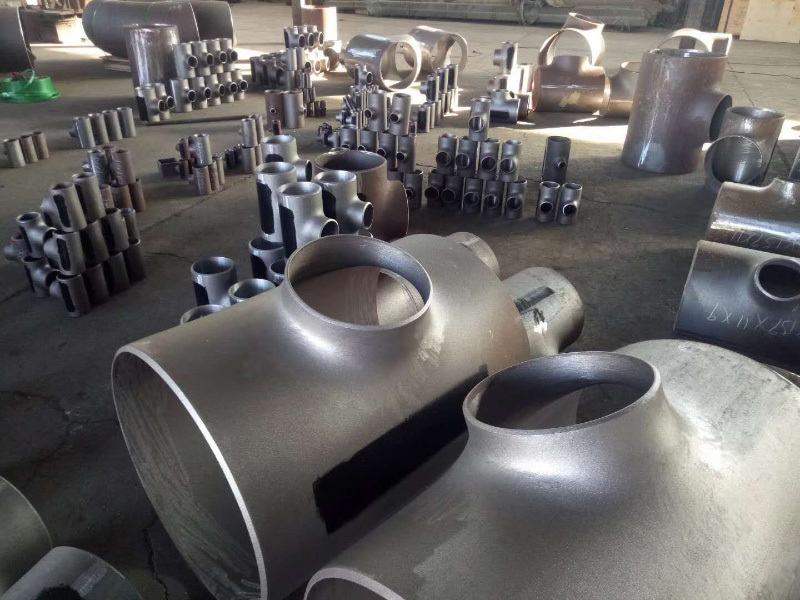
Threaded flanges are crucial elements in the construction and decorative materials sector, particularly in piping systems. These specialized flanges feature internal threads designed to connect to corresponding threaded pipes or fittings, offering a reliable and secure means of joining components. Their unique characteristics make them highly desirable in various applications, particularly where ease of assembly and maintenance is paramount.
One of the primary advantages of threaded flanges is their ability to facilitate quick and easy installation. Unlike weld-on flanges, which require extensive preparation and equipment for joining, threaded flanges can simply be screwed onto the pipes. This feature is especially beneficial in environments where welding is impractical or prohibited, such as in certain industrial settings or where safety regulations are stringent.
In terms of material selection, threaded flanges can be made from a variety of materials, including stainless steel, carbon steel, and plastic. The choice of material often depends on the specific application requirements, such as corrosion resistance, temperature tolerance, and pressure ratings. For instance, stainless steel threaded flanges are preferred for applications involving corrosive substances, while carbon steel flanges may be used in standard environments.
Threaded flanges are available in different configurations, including raised face, flat face, and ring-type joint. Each configuration serves a distinct purpose and is suited for specific applications. The raised face design is commonly used in higher pressure systems, as it enhances the sealing surface and improves leak resistance. Meanwhile, flat face flanges are often utilized in low-pressure systems, while ring-type joint flanges provide even greater sealing capabilities in high-pressure applications.
When considering threaded flanges for your projects, it is essential to pay attention to the flange rating, which indicates the pressure and temperature limits for safe operation. Properly matching the flange rating with the system’s requirements is vital to ensure safety and efficiency in operations. Additionally, always ensure that the threads are well-maintained, free from debris, and correctly lubricated to prevent wear and ensure a tight seal.
In summary, threaded flanges play an integral role in the construction and decorative materials industry, contributing to the effectiveness and safety of piping systems. Their easy installation, variety of materials, and adaptability to different configurations make them a popular choice among engineers and builders alike. Understanding the functionality and applications of threaded flanges can significantly enhance your project’s efficiency and reliability, ensuring that you achieve optimal results in your construction endeavors.
One of the primary advantages of threaded flanges is their ability to facilitate quick and easy installation. Unlike weld-on flanges, which require extensive preparation and equipment for joining, threaded flanges can simply be screwed onto the pipes. This feature is especially beneficial in environments where welding is impractical or prohibited, such as in certain industrial settings or where safety regulations are stringent.
In terms of material selection, threaded flanges can be made from a variety of materials, including stainless steel, carbon steel, and plastic. The choice of material often depends on the specific application requirements, such as corrosion resistance, temperature tolerance, and pressure ratings. For instance, stainless steel threaded flanges are preferred for applications involving corrosive substances, while carbon steel flanges may be used in standard environments.
Threaded flanges are available in different configurations, including raised face, flat face, and ring-type joint. Each configuration serves a distinct purpose and is suited for specific applications. The raised face design is commonly used in higher pressure systems, as it enhances the sealing surface and improves leak resistance. Meanwhile, flat face flanges are often utilized in low-pressure systems, while ring-type joint flanges provide even greater sealing capabilities in high-pressure applications.
When considering threaded flanges for your projects, it is essential to pay attention to the flange rating, which indicates the pressure and temperature limits for safe operation. Properly matching the flange rating with the system’s requirements is vital to ensure safety and efficiency in operations. Additionally, always ensure that the threads are well-maintained, free from debris, and correctly lubricated to prevent wear and ensure a tight seal.
In summary, threaded flanges play an integral role in the construction and decorative materials industry, contributing to the effectiveness and safety of piping systems. Their easy installation, variety of materials, and adaptability to different configurations make them a popular choice among engineers and builders alike. Understanding the functionality and applications of threaded flanges can significantly enhance your project’s efficiency and reliability, ensuring that you achieve optimal results in your construction endeavors.
Hot Tags:
Cangzhou KTD Steel Pipe Co.,ltd
Mengcun County, Cangzhou City, Hebei Province, China 061000


REQUEST QUOTE