Leading Smls Pipe and fittings supplier from China since 1991

Understanding ASTM Seamless Pipes: Essential Insights for the Construction Industry
ASTM seamless pipes are critical components in various construction and architectural projects, offering unique advantages over traditional welded pipes. The term "seamless" refers to the manufacturing process, which involves extruding hot steel into a pipe form without any seams or joints. This method results in a stronger, more reliable product, capable of withstanding higher pressure and stress
Aug 28,2026
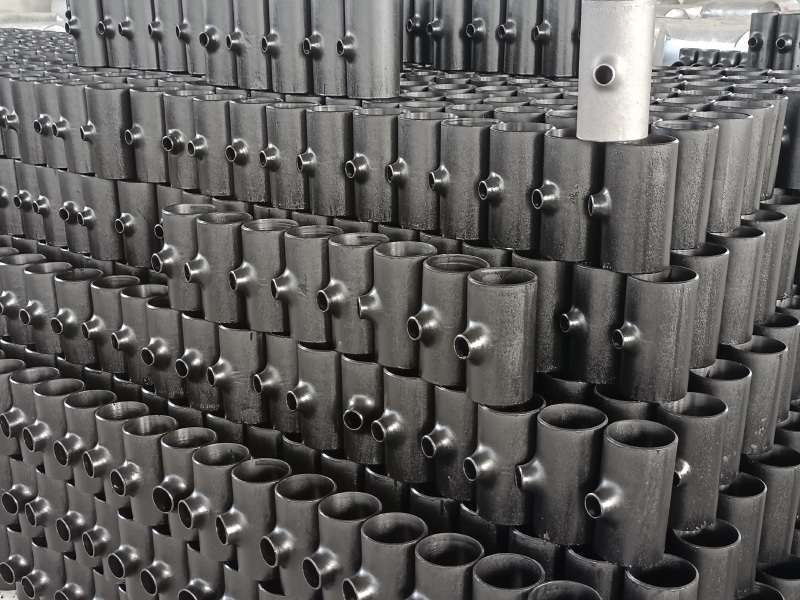
ASTM seamless pipes are critical components in various construction and architectural projects, offering unique advantages over traditional welded pipes. The term "seamless" refers to the manufacturing process, which involves extruding hot steel into a pipe form without any seams or joints. This method results in a stronger, more reliable product, capable of withstanding higher pressure and stress levels.
One of the primary benefits of ASTM seamless pipes is their adherence to stringent quality standards set by the American Society for Testing and Materials (ASTM). These standards ensure that the pipes meet specific mechanical and chemical properties, making them suitable for diverse applications, from structural support to fluid transport. The ASTM A106 and ASTM A53 are two common specifications for seamless pipes, addressing different pressures and temperature ratings.
The seamless manufacturing process allows for greater flexibility in design and application. Since there are no seams, these pipes can handle higher levels of stress and are less likely to fail under pressure. This characteristic makes them an ideal choice for high-pressure systems, such as oil and gas pipelines or water supply systems in large buildings.
In the context of construction and decorative materials, ASTM seamless pipes can be used in various applications, including structural frameworks, support columns, and decorative railings. Their versatility allows them to be used in both functional and aesthetic roles, complementing the overall design of a building or structure.
Furthermore, the smooth interior surface of seamless pipes reduces flow resistance, making them more efficient for fluid transport applications. This property is particularly beneficial for industries dealing with high-velocity fluid movement, ensuring optimal performance and energy savings.
When selecting ASTM seamless pipes for a project, it is essential to consider factors such as pipe diameter, wall thickness, and material grade. Each of these elements can significantly impact the overall performance, durability, and suitability of the pipes for specific applications. It is advisable to work closely with suppliers and engineers to ensure that the chosen seamless pipes align with the project requirements and regulatory standards.
In summary, ASTM seamless pipes are a cornerstone of modern construction practices, providing reliability and efficiency. Their compliance with rigorous ASTM standards ensures that they meet the demands of various applications. Understanding the technical specifications and benefits of these pipes can greatly influence the success of construction projects while also contributing to the longevity and safety of structures.
One of the primary benefits of ASTM seamless pipes is their adherence to stringent quality standards set by the American Society for Testing and Materials (ASTM). These standards ensure that the pipes meet specific mechanical and chemical properties, making them suitable for diverse applications, from structural support to fluid transport. The ASTM A106 and ASTM A53 are two common specifications for seamless pipes, addressing different pressures and temperature ratings.
The seamless manufacturing process allows for greater flexibility in design and application. Since there are no seams, these pipes can handle higher levels of stress and are less likely to fail under pressure. This characteristic makes them an ideal choice for high-pressure systems, such as oil and gas pipelines or water supply systems in large buildings.
In the context of construction and decorative materials, ASTM seamless pipes can be used in various applications, including structural frameworks, support columns, and decorative railings. Their versatility allows them to be used in both functional and aesthetic roles, complementing the overall design of a building or structure.
Furthermore, the smooth interior surface of seamless pipes reduces flow resistance, making them more efficient for fluid transport applications. This property is particularly beneficial for industries dealing with high-velocity fluid movement, ensuring optimal performance and energy savings.
When selecting ASTM seamless pipes for a project, it is essential to consider factors such as pipe diameter, wall thickness, and material grade. Each of these elements can significantly impact the overall performance, durability, and suitability of the pipes for specific applications. It is advisable to work closely with suppliers and engineers to ensure that the chosen seamless pipes align with the project requirements and regulatory standards.
In summary, ASTM seamless pipes are a cornerstone of modern construction practices, providing reliability and efficiency. Their compliance with rigorous ASTM standards ensures that they meet the demands of various applications. Understanding the technical specifications and benefits of these pipes can greatly influence the success of construction projects while also contributing to the longevity and safety of structures.
Hot Tags:
Cangzhou KTD Steel Pipe Co.,ltd
Mengcun County, Cangzhou City, Hebei Province, China 061000


REQUEST QUOTE