Leading Smls Pipe and fittings supplier from China since 1991

Understanding the Comprehensive Manufacturing Process of ASTM Seamless Carbon Steel Pipes
Understanding the Comprehensive Manufacturing Process of ASTM Seamless Carbon Steel Pipes Table of Contents 1. Introduction to ASTM Seamless Carbon Steel Pipes 2. What Are ASTM Seamless Carbon Steel Pipes? 3. Importance of ASTM Seamless Pipes in Construction 4. Raw Material Selection for Seamless Pipes 5. Overview of the Manufacturing Process 6. The Hot Working Process
Sep 27,2026
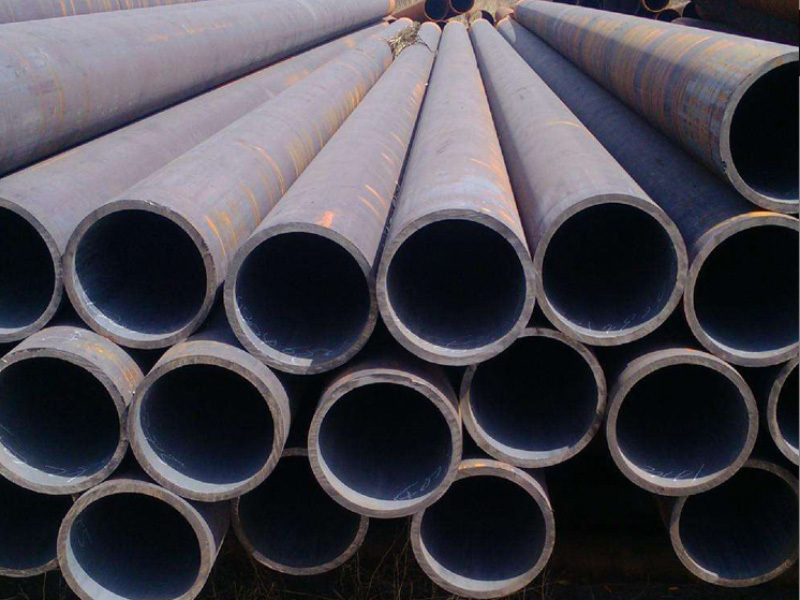
Understanding the Comprehensive Manufacturing Process of ASTM Seamless Carbon Steel Pipes
Table of Contents
- 1. Introduction to ASTM Seamless Carbon Steel Pipes
- 2. What Are ASTM Seamless Carbon Steel Pipes?
- 3. Importance of ASTM Seamless Pipes in Construction
- 4. Raw Material Selection for Seamless Pipes
- 5. Overview of the Manufacturing Process
- 6. The Hot Working Process
- 7. The Cold Working Process
- 8. Heat Treatment and Its Importance
- 9. Quality Control and Testing Procedures
- 10. Conclusion
- 11. Frequently Asked Questions
1. Introduction to ASTM Seamless Carbon Steel Pipes
The construction industry heavily relies on various materials to ensure the integrity and longevity of structures. Among these materials, ASTM seamless carbon steel pipes stand out for their durability, strength, and versatility. Understanding the manufacturing process of these pipes provides insights into their applications and benefits, making it easier for professionals to choose the right products for their projects.
2. What Are ASTM Seamless Carbon Steel Pipes?
ASTM seamless carbon steel pipes are cylindrical tubes manufactured from carbon steel, characterized by their lack of seams or welds. This absence of seams results in higher strength and reliability, making them ideal for high-pressure applications. These pipes conform to specifications set by the American Society for Testing and Materials (ASTM), ensuring they meet stringent quality and safety standards.
3. Importance of ASTM Seamless Pipes in Construction
Seamless carbon steel pipes play a crucial role in various construction applications, including:
- **Oil and Gas Industry**: Used for transporting hydrocarbons and other fluids.
- **Water Supply Systems**: Reliable for delivering water under pressure.
- **Structural Applications**: Used in beams and columns for buildings and bridges.
- **Chemical Processing**: Essential for transporting corrosive substances due to their high resistance.
The durability and performance of these pipes make them a preferred choice in many critical applications.
4. Raw Material Selection for Seamless Pipes
The manufacturing process begins with the careful selection of raw materials. Carbon steel, primarily composed of iron and carbon, is chosen based on the desired properties. The following factors are considered during material selection:
- **Carbon Content**: Influences hardness and strength.
- **Alloying Elements**: Manganese, chromium, and molybdenum may be added to enhance specific properties.
- **Quality and Purity**: High-quality steel ensures minimal defects and superior performance.
Once the materials are selected, they are subjected to rigorous quality checks before proceeding to the manufacturing stage.
5. Overview of the Manufacturing Process
The manufacturing process of ASTM seamless carbon steel pipes involves several key steps:
1. **Forging**: The raw material is heated and forged into a round shape.
2. **Piercing**: A hole is pierced through the center, creating a hollow tube.
3. **Elongation**: The tube is elongated to the desired length and diameter.
4. **Final Forming**: The pipe is further refined to meet precise specifications.
Each of these steps is crucial for producing high-quality seamless pipes that meet industry standards.
6. The Hot Working Process
The hot working process is fundamental in shaping the carbon steel into seamless pipes. During this phase, the steel is heated to a temperature exceeding its recrystallization point, making it malleable. The hot working process includes:
- **Heating**: The steel billets are heated in a furnace.
- **Rolling**: The heated billets are rolled into pipes using specialized machinery.
- **Piercing**: A mandrel is inserted to create a hollow center as the pipe is formed.
This method ensures that the pipes maintain their structural integrity while achieving the desired dimensions.
7. The Cold Working Process
Cold working may follow hot working to enhance the mechanical properties of the pipes. Unlike hot working, cold working involves shaping the steel at room temperature, which increases strength through strain hardening. The steps include:
- **Drawing**: The pipes are pulled through a die to reduce diameter and increase length.
- **Bending**: Pipes may also be bent to meet specific application requirements.
- **Surface Treatment**: The final step often involves surface treatments to improve corrosion resistance.
Cold working effectively improves the pipes' tensile strength and durability.
8. Heat Treatment and Its Importance
Heat treatment is a critical process that enhances the properties of ASTM seamless carbon steel pipes. This process typically involves:
- **Annealing**: Heating the pipes to a specific temperature and then cooling them slowly to relieve stress and improve ductility.
- **Quenching**: Rapid cooling to harden the steel, followed by tempering to reduce brittleness.
Through heat treatment, manufacturers can fine-tune the mechanical properties of the pipes, ensuring they meet the demands of various applications.
9. Quality Control and Testing Procedures
Quality control is paramount in the manufacturing process of ASTM seamless carbon steel pipes. Various testing methods are employed to ensure compliance with industry standards:
- **Visual Inspection**: Identifying surface defects or irregularities.
- **Ultrasonic Testing**: Evaluating internal flaws and ensuring uniformity.
- **Hydrostatic Testing**: Testing the pipes' ability to withstand high pressure.
- **Chemical Analysis**: Verifying the alloy composition and quality.
These rigorous testing methods guarantee the reliability and safety of the pipes in their intended applications.
10. Conclusion
Understanding the manufacturing process of ASTM seamless carbon steel pipes is essential for industry professionals and stakeholders. From raw material selection to the final quality control checks, each step plays a vital role in producing high-quality pipes that meet stringent standards. These pipes are indispensable in various applications, ranging from construction to chemical processing, due to their strength and durability.
By grasping the intricacies of the manufacturing process, stakeholders can make informed decisions when selecting seamless carbon steel pipes for their projects, ensuring safety, efficiency, and longevity.
11. Frequently Asked Questions
1. What is the difference between seamless and welded pipes?
Seamless pipes are formed without welding, providing a consistent strength and reliability. Welded pipes, on the other hand, have a seam created by welding two pieces of metal, which can be a potential weak point.
2. What applications are ASTM seamless carbon steel pipes commonly used in?
These pipes are widely used in the oil and gas industry, water supply systems, structural applications, and chemical processing.
3. How is the quality of ASTM seamless pipes ensured?
Quality is ensured through stringent testing methods, including visual inspections, ultrasonic testing, and hydrostatic testing to check for internal and external flaws.
4. Can seamless carbon steel pipes be used for high-pressure applications?
Yes, seamless carbon steel pipes are particularly suited for high-pressure applications due to their lack of seams, which enhances strength and reliability.
5. What factors influence the selection of raw materials for manufacturing seamless pipes?
Factors include carbon content, alloying elements, quality and purity of the steel, and specific mechanical properties required for the intended application.
This comprehensive guide aims to provide a deeper understanding of the ASTM seamless carbon steel pipe manufacturing process, highlighting its importance and applications in the construction industry.
Hot Tags:
PREVIOUS:
Cangzhou KTD Steel Pipe Co.,ltd
Mengcun County, Cangzhou City, Hebei Province, China 061000


REQUEST QUOTE