Leading Smls Pipe and fittings supplier from China since 1991

Enhancing Construction Safety with ASTM Seamless Steel Pipes
Enhancing Construction Safety with ASTM Seamless Steel Pipes Table of Contents 1. Introduction to ASTM Seamless Steel Pipes 2. Importance of Safety in Construction 3. What are ASTM Seamless Steel Pipes? 4. Advantages of Using ASTM Seamless Steel Pipes in Construction 5. Safety Features of ASTM Seamless Steel Pipes 6. Applications of ASTM Seamless Steel Pipes in Constructio
Oct 05,2026
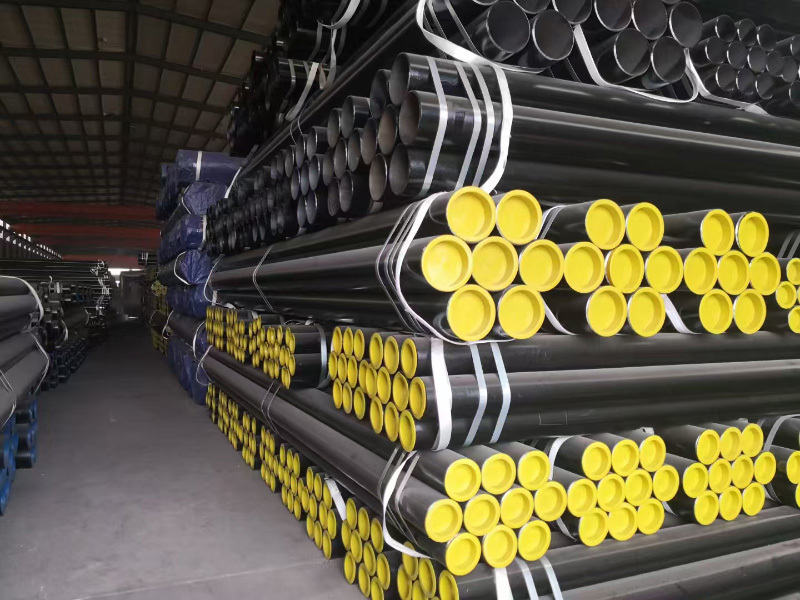
Enhancing Construction Safety with ASTM Seamless Steel Pipes
Table of Contents
- 1. Introduction to ASTM Seamless Steel Pipes
- 2. Importance of Safety in Construction
- 3. What are ASTM Seamless Steel Pipes?
- 4. Advantages of Using ASTM Seamless Steel Pipes in Construction
- 5. Safety Features of ASTM Seamless Steel Pipes
- 6. Applications of ASTM Seamless Steel Pipes in Construction
- 7. Comparison: Seamless vs. Welded Steel Pipes
- 8. Maintenance of ASTM Seamless Steel Pipes
- 9. FAQs about ASTM Seamless Steel Pipes
- 10. Conclusion
1. Introduction to ASTM Seamless Steel Pipes
In the construction industry, ensuring safety and reliability is paramount. **ASTM seamless steel pipes** have emerged as a preferred choice for various construction applications due to their unique properties. These pipes are manufactured without welds, significantly enhancing their strength and integrity. In this article, we will explore how these pipes contribute to safety in construction, their advantages, and their applications.
2. Importance of Safety in Construction
Safety in construction is non-negotiable. With various hazards present on construction sites, utilizing high-quality materials is essential. Statistics from occupational safety organizations indicate that many accidents and injuries can be attributed to equipment failure and material malfunctions. Thus, selecting materials that can withstand extreme conditions while ensuring structural integrity is critical for protecting workers and property alike.
3. What are ASTM Seamless Steel Pipes?
**ASTM seamless steel pipes** conform to standards set by the American Society for Testing and Materials (ASTM). Unlike traditional welded pipes, seamless pipes are crafted from a solid round steel billet, which is heated and pushed through a die to create a pipe shape. This manufacturing process eliminates welds, making seamless pipes less prone to failure under high pressure and stress.
Key Specifications of ASTM Seamless Steel Pipes
The specifications of ASTM seamless steel pipes vary based on their grades and intended applications. Common grades include ASTM A106, A53, and A335, each designed for different environmental conditions and mechanical properties. Generally, these pipes are recognized for:
- **High tensile strength**
- **Corrosion resistance**
- **Durability under extreme temperatures**
- **Excellent weldability** for joining with other components
4. Advantages of Using ASTM Seamless Steel Pipes in Construction
The use of ASTM seamless steel pipes offers several advantages that enhance safety and performance in construction projects.
Superior Structural Integrity
Due to their seamless design, these pipes exhibit superior structural integrity compared to welded alternatives. This characteristic reduces the likelihood of leaks or breaks, which can lead to catastrophic failures on construction sites.
Enhanced Pressure Resistance
ASTM seamless steel pipes can withstand higher pressure levels. This attribute is particularly vital in applications involving high-pressure fluids, where any failure could result in severe accidents.
Lower Risk of Corrosion
Seamless pipes are less susceptible to corrosion, especially in environments where they are exposed to moisture and chemicals. Their resistance to rust and degradation ensures a longer lifespan, contributing to ongoing safety.
5. Safety Features of ASTM Seamless Steel Pipes
Safety features inherent to ASTM seamless steel pipes further validate their use in construction.
Non-porous Structure
The absence of welded seams in seamless pipes results in a non-porous structure, which minimizes the risk of leaks and increases overall safety.
Quality Control and Testing
Manufacturers of ASTM seamless steel pipes adhere to rigorous quality control standards. These processes include non-destructive testing methods to ensure that every pipe meets safety and performance criteria.
Compliance with Industry Standards
ASTM standards ensure that seamless steel pipes meet the necessary safety regulations, providing contractors with peace of mind when selecting materials for construction projects.
6. Applications of ASTM Seamless Steel Pipes in Construction
ASTM seamless steel pipes are versatile and can be used in various construction applications, contributing to overall project safety.
Structural Supports
Seamless pipes serve as essential structural supports in buildings and bridges, providing the necessary strength to withstand loads and environmental conditions.
Fluid Transport Systems
These pipes are ideal for transporting gases and fluids in industrial settings, where the risk of leaks could pose safety hazards.
Oil and Gas Industry
In the oil and gas sector, ASTM seamless steel pipes are commonly used to transport hydrocarbons safely from drilling sites to processing facilities.
7. Comparison: Seamless vs. Welded Steel Pipes
When selecting pipes for construction, understanding the differences between seamless and welded pipes is crucial.
Strength and Durability
Seamless pipes generally possess greater strength and durability due to the absence of welds that weaken the structure. This characteristic makes them a safer choice for high-stress applications.
Cost Considerations
While seamless pipes may come at a premium compared to welded pipes, their long-term benefits—such as reduced maintenance costs and enhanced safety—often justify the initial investment.
Maintenance Requirements
Seamless steel pipes typically require less maintenance over time, contributing to overall safety by reducing the chances of equipment failure.
8. Maintenance of ASTM Seamless Steel Pipes
Proper maintenance of ASTM seamless steel pipes is essential to ensure their longevity and performance.
Regular Inspections
Conducting regular inspections can help identify any potential issues before they escalate. This includes checking for signs of corrosion or damage.
Cleaning and Treatment
Keeping pipes clean and applying protective coatings can prevent corrosion and enhance durability, ensuring ongoing safety in construction applications.
9. FAQs about ASTM Seamless Steel Pipes
What is the lifespan of ASTM seamless steel pipes?
The lifespan can vary based on environmental conditions and maintenance, but they can last several decades when properly cared for.
Are ASTM seamless steel pipes more expensive than welded pipes?
Generally, yes. The manufacturing process of seamless pipes is more costly, but their long-term durability can offset initial expenses.
Can ASTM seamless steel pipes be welded?
Yes, but care must be taken to ensure the welds meet safety and quality standards, as improper welding can compromise structural integrity.
What are the common grades of ASTM seamless steel pipes?
Common grades include ASTM A106 for high-temperature applications, ASTM A53 for structural purposes, and ASTM A335 for high-pressure applications.
How do seamless pipes enhance safety compared to welded pipes?
Seamless pipes have no welds, reducing the risk of failure under pressure and providing a more robust structure overall.
10. Conclusion
In conclusion, **ASTM seamless steel pipes** significantly enhance safety in construction through their superior strength, durability, and resistance to corrosion. By providing reliable solutions for various applications, they contribute to safer construction environments. Understanding their advantages, maintenance needs, and applications can help contractors make informed decisions that prioritize worker safety and project integrity. As the industry continues to evolve, the reliance on high-quality materials like ASTM seamless steel pipes will remain crucial for achieving lasting safety and reliability in construction projects.
Hot Tags:

Cangzhou KTD Steel Pipe Co.,ltd
Mengcun County, Cangzhou City, Hebei Province, China 061000


REQUEST QUOTE