Leading Smls Pipe and fittings supplier from China since 1991

Essential Safety Considerations When Utilizing Carbon Steel Seamless Steel Pipes
Essential Safety Considerations When Utilizing Carbon Steel Seamless Steel Pipes Table of Contents 1. Introduction to Carbon Steel Seamless Steel Pipes 2. Properties of Carbon Steel Seamless Steel Pipes 3. Common Applications of Carbon Steel Seamless Steel Pipes 4. Identifying Hazards Associated with Seamless Steel Pipes 5. Understanding Safety Regulations and Standards 6.
Mar 08,2026
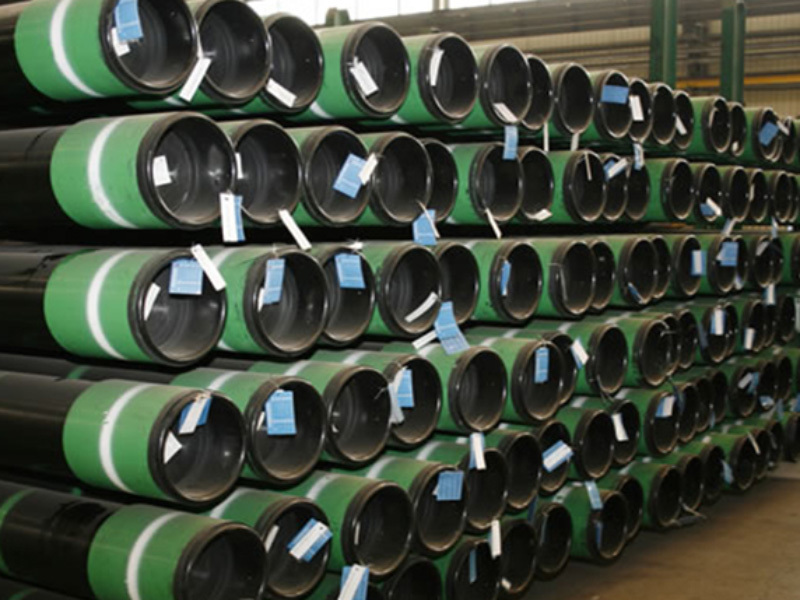
Essential Safety Considerations When Utilizing Carbon Steel Seamless Steel Pipes
Table of Contents
- 1. Introduction to Carbon Steel Seamless Steel Pipes
- 2. Properties of Carbon Steel Seamless Steel Pipes
- 3. Common Applications of Carbon Steel Seamless Steel Pipes
- 4. Identifying Hazards Associated with Seamless Steel Pipes
- 5. Understanding Safety Regulations and Standards
- 6. Best Practices for Safe Handling and Use
- 7. Maintenance Tips for Safety and Longevity
- 8. Importance of Training and Safety Protocols
- 9. Conclusion
- 10. Frequently Asked Questions (FAQs)
1. Introduction to Carbon Steel Seamless Steel Pipes
Carbon steel seamless steel pipes are integral components in various construction and industrial applications, renowned for their strength, durability, and versatility. These pipes are produced without any welds, resulting in a uniform structure that enhances their ability to withstand high pressures and temperatures. However, the use of these pipes necessitates a strong understanding of safety considerations to prevent accidents and ensure compliance with industry standards.
2. Properties of Carbon Steel Seamless Steel Pipes
Carbon steel seamless pipes are characterized by several key properties that contribute to their widespread use:
- **Strength and Durability**: The absence of welds makes these pipes stronger and less prone to failure under stress.
- **Corrosion Resistance**: Various surface treatments can enhance the corrosion resistance of carbon steel, making it suitable for harsh environments.
- **Cost-Effectiveness**: Compared to other materials, carbon steel is relatively affordable, offering a balance of performance and cost.
Understanding these properties is essential for assessing the safety and suitability of carbon steel seamless pipes in specific applications.
3. Common Applications of Carbon Steel Seamless Steel Pipes
Carbon steel seamless pipes find applications in various sectors, including:
- **Oil and Gas Industry**: Used for transporting fluids and gases under high pressure.
- **Construction**: Employed in structural applications and as conduit for various systems.
- **Manufacturing**: Utilized in machinery and equipment requiring high strength and durability.
Each application carries its own safety considerations, necessitating a thorough understanding of potential risks and mitigation strategies.
4. Identifying Hazards Associated with Seamless Steel Pipes
Understanding the hazards associated with carbon steel seamless pipes is crucial for ensuring safety. Common hazards include:
- **Physical Hazards**: Heavy pipes can pose risks during handling and installation, leading to potential injuries.
- **Chemical Hazards**: When used in environments involving corrosive materials, the risk of chemical exposure increases.
- **Pressure Hazards**: The potential for leaks or bursts under high pressure can lead to dangerous situations.
Recognizing these hazards enables effective risk assessment and proactive safety planning.
5. Understanding Safety Regulations and Standards
Regulatory bodies establish safety standards for the use of carbon steel seamless steel pipes. Familiarity with these regulations is essential for compliance and safety:
- **American Society for Testing and Materials (ASTM)**: Sets standards for materials and testing methods.
- **Occupational Safety and Health Administration (OSHA)**: Provides guidelines for safe working conditions and practices.
- **American National Standards Institute (ANSI)**: Develops consensus standards for safety and performance.
Staying informed about these regulations can help organizations maintain safety and prevent legal repercussions.
6. Best Practices for Safe Handling and Use
Implementing best practices for the handling and use of carbon steel seamless pipes is vital for minimizing risks:
- **Proper Lifting Techniques**: Use cranes or mechanical aids to lift heavy pipes, reducing the risk of physical injuries.
- **Personal Protective Equipment (PPE)**: Ensure that workers wear appropriate PPE, including gloves, safety glasses, and hard hats.
- **Regular Inspections**: Conduct routine inspections to identify any signs of wear, corrosion, or damage.
By adhering to these best practices, organizations can significantly improve workplace safety and reduce the likelihood of accidents.
7. Maintenance Tips for Safety and Longevity
Regular maintenance of carbon steel seamless pipes is essential for ensuring their safety and prolonging their lifespan:
- **Cleaning**: Regularly clean pipes to remove any corrosive substances that may have accumulated.
- **Corrosion Protection**: Apply protective coatings or treatments to enhance corrosion resistance.
- **Leak Testing**: Implement periodic leak testing to detect any issues before they escalate into serious problems.
Effective maintenance not only ensures safety but also enhances the performance and durability of the pipes.
8. Importance of Training and Safety Protocols
Training employees on safety protocols related to carbon steel seamless pipes is critical for fostering a culture of safety within organizations:
- **Safety Workshops**: Conduct regular safety workshops to educate workers about potential hazards and safe practices.
- **Emergency Response Training**: Ensure that employees are trained in emergency response procedures in case of accidents.
- **Continuous Education**: Encourage ongoing education to keep staff informed about the latest safety standards and practices.
Investing in training programs helps organizations reduce accidents and enhance overall safety in the workplace.
9. Conclusion
In conclusion, the use of carbon steel seamless steel pipes in various applications necessitates a thorough understanding of safety considerations. By recognizing potential hazards, adhering to regulations, implementing best practices, and fostering a culture of safety through training, organizations can enhance safety and compliance in their operations. Prioritizing these safety considerations will not only protect workers but also ensure the longevity and reliability of the infrastructure built with these materials.
10. Frequently Asked Questions (FAQs)
What are carbon steel seamless steel pipes used for?
Carbon steel seamless steel pipes are commonly used in the oil and gas industry, construction, and manufacturing for their strength and durability.
What safety measures should be taken when handling seamless pipes?
Employ proper lifting techniques, use personal protective equipment (PPE), and conduct regular inspections to ensure safety during the handling of seamless pipes.
How can corrosion be prevented in carbon steel seamless pipes?
Corrosion can be prevented through regular cleaning, applying protective coatings, and ensuring proper environmental conditions.
What regulations govern the use of carbon steel seamless pipes?
Key regulations include standards set by ASTM, OSHA, and ANSI, which outline safety and performance requirements for these materials.
Why is training important for workers handling seamless steel pipes?
Training is crucial as it educates workers about potential hazards and safe practices, reducing the risk of accidents and promoting a safer work environment.
How often should maintenance be performed on carbon steel seamless pipes?
Regular maintenance should be conducted, with inspections and cleaning performed based on usage and environmental conditions, typically recommended at least annually.
Hot Tags:

Cangzhou KTD Steel Pipe Co.,ltd
Mengcun County, Cangzhou City, Hebei Province, China 061000


REQUEST QUOTE