Leading Smls Pipe and fittings supplier from China since 1991

Maximizing Performance: The Engineering Behind Carbon Steel Seamless Steel Pipes
Maximizing Performance: The Engineering Behind Carbon Steel Seamless Steel Pipes Table of Contents 1. Introduction to Carbon Steel Seamless Steel Pipes 2. What Are Carbon Steel Seamless Steel Pipes? 3. Manufacturing Process of Seamless Steel Pipes 4. Key Engineering Properties of Carbon Steel Seamless Pipes 5. Applications of Carbon Steel Seamless Steel Pipes 6. Advantages of Choosing
Sep 07,2026
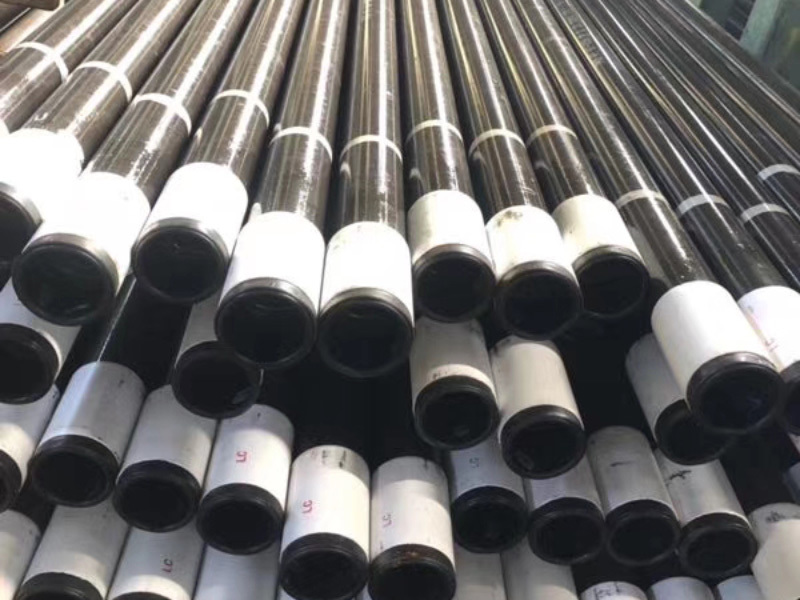
Maximizing Performance: The Engineering Behind Carbon Steel Seamless Steel Pipes
Table of Contents
- 1. Introduction to Carbon Steel Seamless Steel Pipes
- 2. What Are Carbon Steel Seamless Steel Pipes?
- 3. Manufacturing Process of Seamless Steel Pipes
- 4. Key Engineering Properties of Carbon Steel Seamless Pipes
- 5. Applications of Carbon Steel Seamless Steel Pipes
- 6. Advantages of Choosing Seamless Steel Pipes
- 7. Maintenance and Best Practices
- 8. Future Trends in Seamless Steel Pipe Engineering
- 9. Frequently Asked Questions
- 10. Conclusion
1. Introduction to Carbon Steel Seamless Steel Pipes
In the world of construction and industrial applications, the choice of materials plays a crucial role in determining the performance, safety, and efficiency of structures and systems. Among the myriad options available, **carbon steel seamless steel pipes** have emerged as a preferred solution due to their superior strength and reliability. This article provides an in-depth exploration of the engineering principles, manufacturing processes, and applications of these exceptional piping solutions.
2. What Are Carbon Steel Seamless Steel Pipes?
**Carbon steel seamless steel pipes** are cylindrical tubes made from carbon steel without any welded seams. They are produced through a series of processes in which solid steel is heated and formed into a hollow structure. The absence of seams enhances their structural integrity and enables them to withstand high pressures and temperatures, making them suitable for various demanding applications.
2.1 Types of Carbon Steel
Carbon steel comes in several grades, which vary based on their carbon content and other alloying elements. The main categories include:
- **Low Carbon Steel (Mild Steel)**: Contains up to 0.3% carbon, known for its ductility and weldability.
- **Medium Carbon Steel**: Contains between 0.3% and 0.6% carbon, offering a balance between strength and ductility.
- **High Carbon Steel**: Contains more than 0.6% carbon, known for its high strength and hardness.
3. Manufacturing Process of Seamless Steel Pipes
The production of **carbon steel seamless steel pipes** involves a well-defined process that ensures superior quality and performance. The primary manufacturing steps include:
3.1 Billet Preparation
The process begins with the selection of high-quality steel billets, which are heated to a specific temperature to make them malleable.
3.2 Piercing
The heated billets are then pierced using a mandrel to create a hollow tube. This step is usually performed in a **piercing mill**, where a rotating mandrel is inserted into the heated billet.
3.3 Elongation
Post-piercing, the hollow tube undergoes elongation, where it is further shaped and stretched to achieve the desired length and diameter.
3.4 Heat Treatment
To enhance the mechanical properties, the pipes are subjected to heat treatment processes such as annealing, normalizing, or quenching.
3.5 Finishing Processes
The final steps involve surface finishing, inspection, and testing to ensure compliance with industry standards. These may include processes such as **pickling, galvanizing**, or applying protective coatings.
4. Key Engineering Properties of Carbon Steel Seamless Pipes
The engineering properties of **carbon steel seamless pipes** are what set them apart from other piping options. Key properties include:
4.1 Strength and Durability
Seamless pipes are known for their superior strength-to-weight ratio. They can withstand significant internal pressures and external loads, making them ideal for high-stress applications.
4.2 Corrosion Resistance
While carbon steel is prone to corrosion, various treatment methods such as galvanizing or applying corrosion-resistant coatings can enhance its longevity.
4.3 High-temperature Resistance
Carbon steel seamless pipes can operate effectively at elevated temperatures, making them suitable for applications in power generation and petrochemical industries.
4.4 Versatility
These pipes can be manufactured in various sizes and thicknesses, allowing for flexibility in design and application.
5. Applications of Carbon Steel Seamless Steel Pipes
The versatility and reliability of **carbon steel seamless steel pipes** make them suitable for a wide range of applications, including:
5.1 Oil and Gas Industry
Used extensively in drilling, extraction, and transportation of oil and gas, these pipes can handle high pressures and corrosive environments.
5.2 Construction and Infrastructure
Seamless pipes are commonly used in building structures, water supply systems, and hydraulic systems, thanks to their strength and durability.
5.3 Automotive Industry
They are used in the manufacturing of automotive components, such as chassis and frames, where strength and weight savings are critical.
5.4 Chemical Processing
In chemical plants, these pipes transport corrosive substances, requiring materials that can withstand harsh conditions.
6. Advantages of Choosing Seamless Steel Pipes
Opting for **carbon steel seamless steel pipes** comes with numerous benefits:
6.1 Enhanced Safety
The lack of seams reduces the risk of failure under high pressure, making these pipes safer in critical applications.
6.2 Cost-Effectiveness
Despite a higher initial cost, seamless pipes tend to have lower maintenance costs and longer service lives, providing better value over time.
6.3 Improved Flow Efficiency
The smooth interior surface of seamless pipes minimizes friction, leading to better flow rates and reduced energy consumption.
6.4 Customization
Manufacturers can produce seamless pipes in a range of sizes and specifications, allowing for tailored solutions to meet unique project requirements.
7. Maintenance and Best Practices
To maximize the performance and lifespan of **carbon steel seamless steel pipes**, proper maintenance practices should be adopted:
7.1 Regular Inspections
Conducting periodic inspections for signs of corrosion, wear, or leaks can help identify issues early on.
7.2 Protective Coatings
Applying protective coatings can significantly enhance corrosion resistance and extend the life of pipes.
7.3 Proper Storage
Storing pipes in a dry, well-ventilated environment prevents moisture accumulation, which can lead to rust and corrosion.
7.4 Following Industry Standards
Adhering to established standards and guidelines ensures that the pipes are used and maintained correctly.
8. Future Trends in Seamless Steel Pipe Engineering
As technology advances, the field of seamless steel pipe manufacturing continues to evolve. Future trends include:
8.1 Advanced Materials
Research is underway to develop new alloys that enhance performance and resistance to extreme conditions.
8.2 Automated Manufacturing
The integration of automation and robotics in manufacturing processes promises increased precision and efficiency.
8.3 Sustainable Practices
Focus on sustainability is driving the development of eco-friendly production methods and recyclable materials.
9. Frequently Asked Questions
9.1 What are the advantages of using seamless steel pipes over welded pipes?
Seamless pipes offer superior strength, are less prone to corrosion, and have a smoother internal surface, enhancing flow efficiency.
9.2 Can seamless steel pipes be customized?
Yes, manufacturers can produce seamless pipes in various sizes, thicknesses, and specifications to meet specific project requirements.
9.3 What industries commonly use carbon steel seamless pipes?
They are widely used in the oil and gas industry, construction, automotive, and chemical processing sectors.
9.4 How can I ensure the longevity of seamless steel pipes?
Regular inspections, applying protective coatings, and following proper storage procedures can significantly enhance their lifespan.
9.5 Are seamless steel pipes suitable for high-pressure applications?
Yes, their structural integrity and absence of seams make them ideal for high-pressure environments.
10. Conclusion
**Carbon steel seamless steel pipes** stand as a testament to engineering excellence, combining strength, versatility, and reliability. Their manufacturing processes and unique properties make them a vital component in various industries, especially those requiring high-performance materials. By understanding the engineering behind these pipes, businesses can make informed decisions that maximize performance and safety in their projects. Investing in seamless steel pipes not only ensures durability but also paves the way for innovative applications in the future.
Hot Tags:
PREVIOUS:
Cangzhou KTD Steel Pipe Co.,ltd
Mengcun County, Cangzhou City, Hebei Province, China 061000


REQUEST QUOTE