Leading Smls Pipe and fittings supplier from China since 1991

The Comprehensive Guide to the Manufacturing Process of Carbon Steel Seamless Pipes
The Comprehensive Guide to the Manufacturing Process of Carbon Steel Seamless Pipes Table of Contents 1. Introduction to Carbon Steel Seamless Pipes 2. Raw Materials Used in Seamless Pipe Manufacturing 3. Step-by-Step Manufacturing Process 3.1 Billet Production 3.2 Piercing Process 3.3 Elongation Process 3.4 Heat Treatment
Mar 12,2026
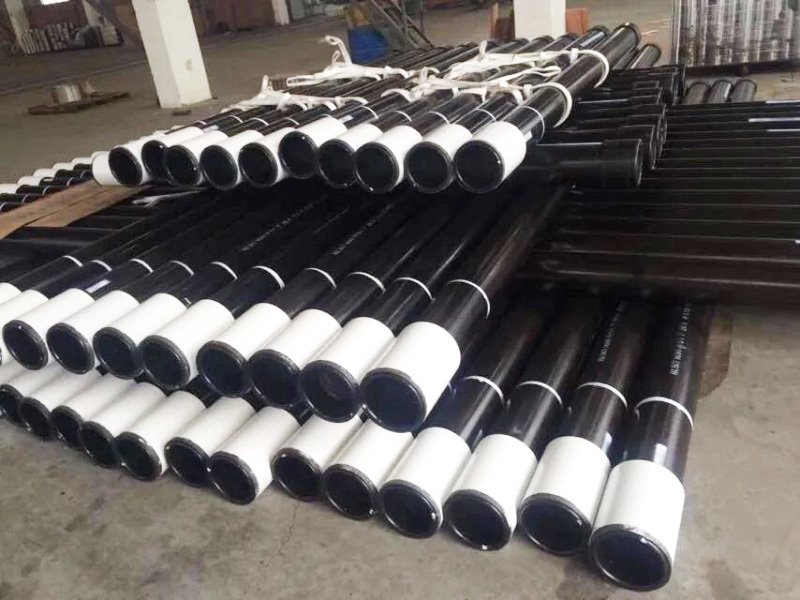
The Comprehensive Guide to the Manufacturing Process of Carbon Steel Seamless Pipes
Table of Contents
- 1. Introduction to Carbon Steel Seamless Pipes
- 2. Raw Materials Used in Seamless Pipe Manufacturing
- 3. Step-by-Step Manufacturing Process
- 3.1 Billet Production
- 3.2 Piercing Process
- 3.3 Elongation Process
- 3.4 Heat Treatment
- 3.5 Finishing Process
- 4. Quality Control in Seamless Pipe Manufacturing
- 5. Applications of Carbon Steel Seamless Pipes
- 6. Benefits of Using Carbon Steel Seamless Pipes
- 7. Conclusion
- 8. Frequently Asked Questions (FAQs)
1. Introduction to Carbon Steel Seamless Pipes
Carbon steel seamless pipes are vital components used in various industries, including construction, oil and gas, and transportation. These pipes are manufactured without welding, which allows for higher strength and reliability. With seamless construction, they are particularly suited for high-pressure applications, making their manufacturing process critical to ensuring quality and performance.
2. Raw Materials Used in Seamless Pipe Manufacturing
The primary raw material for carbon steel seamless pipes is carbon steel, an alloy composed mainly of iron and a small percentage of carbon. The properties of carbon steel can vary depending on the carbon content, which typically ranges from 0.1% to 0.3%. Additional elements like manganese, silicon, and sulfur may also be included to enhance specific characteristics.
The selection of raw materials is essential in the manufacturing process. Steel billets are usually the starting point for producing seamless pipes. The quality and grade of these billets affect the final product's strength, ductility, and corrosion resistance.
3. Step-by-Step Manufacturing Process
The manufacturing process of carbon steel seamless pipes involves several key steps that transform raw materials into finished products. Each step is crucial for ensuring the pipes meet industry standards.
3.1 Billet Production
The first step in producing seamless pipes is creating steel billets. This process involves melting iron ore in an electric arc furnace, which allows for precision in temperature control and efficient energy use. Once melted, the steel is cast into a cylindrical shape to form billets. These billets must undergo further processing to ensure they have the desired chemical composition and mechanical properties.
3.2 Piercing Process
After the billets are produced, they are heated to a high temperature before undergoing the piercing process. This step involves using a piercing mill, where the heated billet is pierced by a mandrel. The piercing creates a hollow tube, which is the first step in forming the seamless pipe. The temperature at which this process occurs is critical, as it influences the material's malleability.
3.3 Elongation Process
Once the hollow tube is formed, it is elongated through a series of rolling mills. The elongation process increases the length of the pipe while reducing its diameter. This step is vital for achieving the required dimensions and wall thickness. The seamless pipe's internal and external surfaces must remain smooth during this process to ensure high-quality output.
3.4 Heat Treatment
The next step is heat treatment, where the elongated pipe is subjected to controlled heating and cooling cycles. Heat treatment enhances the mechanical properties of the seamless pipe, improving its strength and ductility. Common heat treatment processes include normalizing, annealing, and quenching. Each method has specific applications based on the desired final properties of the pipe.
3.5 Finishing Process
The final step in the manufacturing process is the finishing phase. This process includes various treatments like surface cleaning, coating, and inspection. The pipes are often coated with anti-corrosive materials to enhance their longevity and performance in harsh environments. Rigorous inspections are conducted to ensure they meet industry specifications and quality standards.
4. Quality Control in Seamless Pipe Manufacturing
Quality control is paramount in the manufacturing of carbon steel seamless pipes. Several tests are conducted throughout the manufacturing process to ensure the pipes meet the required standards. Common quality control measures include:
- **Non-destructive Testing (NDT)**: Techniques such as ultrasonic testing and radiographic testing are employed to detect any internal defects without damaging the pipe.
- **Mechanical Testing**: Tests like tensile strength, impact resistance, and hardness are carried out to assess the mechanical properties of the pipes.
- **Chemical Analysis**: The chemical composition of the steel is analyzed to ensure it meets the required specifications for carbon and other alloying elements.
Implementing strict quality control measures ensures that the final product is reliable and safe for use in critical applications.
5. Applications of Carbon Steel Seamless Pipes
Carbon steel seamless pipes are widely used across various industries due to their strength and reliability. Some common applications include:
- **Oil and Gas Industry**: Seamless pipes are essential for transporting crude oil and natural gas under high pressure.
- **Construction**: They are used in structural applications, including building frames, foundations, and support systems.
- **Automotive Industry**: Seamless pipes are utilized in engine components, exhaust systems, and fuel lines.
- **Manufacturing**: They are employed in the production of machinery and equipment that require high-strength materials.
The versatility of carbon steel seamless pipes makes them a preferred choice in many sectors.
6. Benefits of Using Carbon Steel Seamless Pipes
Utilizing carbon steel seamless pipes offers several advantages, including:
- **Higher Strength**: The absence of welds makes seamless pipes inherently stronger and more capable of withstanding high pressures.
- **Durability**: Their robust nature ensures a longer lifespan, reducing the need for frequent replacements.
- **Corrosion Resistance**: With appropriate coatings, seamless pipes can be resistant to various corrosive environments, ensuring reliability.
- **Reduced Maintenance Costs**: The durability and strength of seamless pipes lead to lower maintenance requirements over time.
These benefits make seamless pipes a cost-effective solution for many applications.
7. Conclusion
Understanding the manufacturing process behind carbon steel seamless pipes is essential for anyone involved in industries that utilize these crucial components. From the selection of high-quality raw materials to the rigorous quality control measures, each step ensures that these pipes meet the demanding standards required for critical applications. Their strength, durability, and versatility make carbon steel seamless pipes a preferred choice in various sectors, from construction to manufacturing.
8. Frequently Asked Questions (FAQs)
What is the difference between seamless and welded pipes?
Seamless pipes are manufactured without welding, which allows for higher strength and uniformity. In contrast, welded pipes have seams where the edges are fused together, which can be a weak point under pressure.
What are the typical uses of carbon steel seamless pipes?
Carbon steel seamless pipes are commonly used in oil and gas transport, construction frameworks, automotive applications, and various manufacturing processes.
How do heat treatments affect the properties of seamless pipes?
Heat treatments can enhance the mechanical properties of seamless pipes, improving their strength, ductility, and overall performance in high-stress applications.
Are carbon steel seamless pipes resistant to corrosion?
While carbon steel is susceptible to corrosion, applying protective coatings can significantly enhance the corrosion resistance of seamless pipes.
What is the importance of quality control in the manufacturing of seamless pipes?
Quality control ensures that the pipes meet industry standards for safety and performance, minimizing the risk of failure in critical applications.
This comprehensive guide aims to provide an in-depth understanding of the manufacturing process of carbon steel seamless pipes, equipping readers with the knowledge needed to appreciate their significance in various industries.
Hot Tags:
PREVIOUS:

Cangzhou KTD Steel Pipe Co.,ltd
Mengcun County, Cangzhou City, Hebei Province, China 061000


REQUEST QUOTE