Leading Smls Pipe and fittings supplier from China since 1991

Designing with Carbon Steel Seamless Steel Pipes: Essential Tips for Modern Architects
Designing with Carbon Steel Seamless Steel Pipes: Essential Tips for Modern Architects Table of Contents 1. Introduction to Carbon Steel Seamless Pipes 2. Benefits of Using Carbon Steel Seamless Pipes in Architecture 3. Key Design Considerations for Architects 4. Aesthetic Appeal of Carbon Steel in Modern Design 5. Sustainability Aspects of Carbon Steel Seamless Pipes 6. I
Apr 13,2026
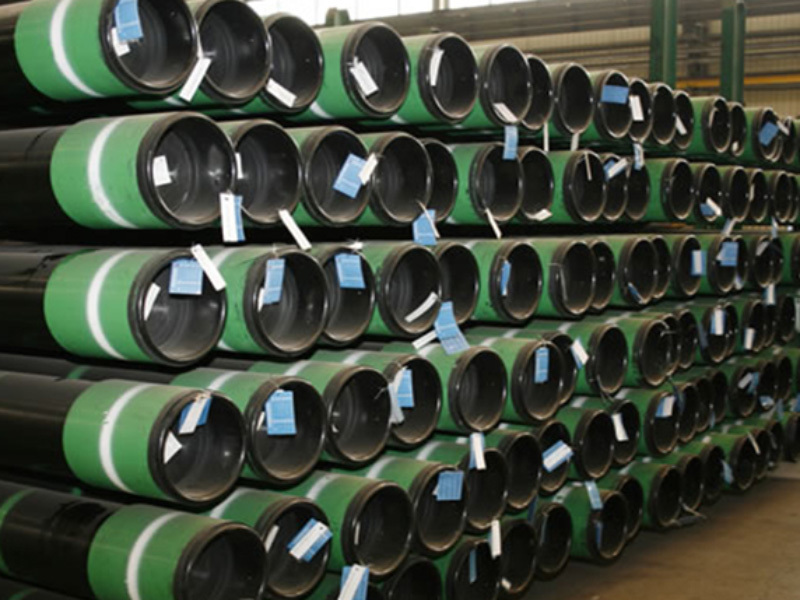
Designing with Carbon Steel Seamless Steel Pipes: Essential Tips for Modern Architects
Table of Contents
- 1. Introduction to Carbon Steel Seamless Pipes
- 2. Benefits of Using Carbon Steel Seamless Pipes in Architecture
- 3. Key Design Considerations for Architects
- 4. Aesthetic Appeal of Carbon Steel in Modern Design
- 5. Sustainability Aspects of Carbon Steel Seamless Pipes
- 6. Installation Tips and Best Practices
- 7. Case Studies: Successful Architectural Projects
- 8. Future Trends in the Use of Seamless Pipes in Architecture
- 9. Frequently Asked Questions
- 10. Conclusion
1. Introduction to Carbon Steel Seamless Pipes
In the realm of modern architecture, the materials used play a critical role in defining the structural integrity and aesthetic of a building. **Carbon steel seamless pipes** have emerged as a key element, offering remarkable strength, design flexibility, and durability. Unlike welded pipes, seamless pipes provide a continuous structure without joints, making them ideal for various applications in architectural design.
This article serves as a comprehensive guide for architects looking to integrate carbon steel seamless pipes into their projects effectively. We will explore the benefits, design considerations, and installation tips that can help you leverage the unique properties of seamless pipes to create stunning architectural solutions.
2. Benefits of Using Carbon Steel Seamless Pipes in Architecture
When it comes to architectural applications, the selection of materials can significantly influence the project’s outcome. Here are some compelling benefits of choosing carbon steel seamless pipes:
2.1 High Strength-to-Weight Ratio
Carbon steel seamless pipes possess a high strength-to-weight ratio, allowing architects to design lighter structures without compromising on strength. This characteristic is particularly beneficial in tall buildings and infrastructure projects where weight reduction is crucial for stability.
2.2 Corrosion Resistance
Modern treatments and coatings can enhance the corrosion resistance of carbon steel seamless pipes, extending their lifespan and reducing maintenance costs. Architects can specify these treatments to suit environments with high humidity or exposure to chemicals.
2.3 Versatility in Applications
Seamless pipes can be utilized in various architectural applications, including structural frameworks, facades, and decorative elements. Their versatility allows architects to push creative boundaries while ensuring safety and functionality.
2.4 Cost-Effectiveness
Although the initial cost of carbon steel seamless pipes can be higher than other materials, their longevity and low maintenance requirements can lead to significant savings over time. This makes them an attractive option for budget-conscious projects.
3. Key Design Considerations for Architects
When incorporating carbon steel seamless pipes into architectural designs, there are several critical considerations to keep in mind:
3.1 Load-Bearing Requirements
Understanding the load-bearing requirements of your design is essential. Seamless pipes can support significant loads, but engineers and architects must ensure that their specifications align with structural demands.
3.2 Aesthetic Integration
The aesthetic appeal of carbon steel seamless pipes can enhance the overall design. Architects should consider how the natural finish of the steel can complement other materials, such as glass and wood, to achieve a harmonious appearance.
3.3 Connection Methods
Efficient connection methods are crucial for the structural integrity of a design. Architects must work closely with engineers to determine the best ways to connect seamless pipes to avoid weak points in the structure.
3.4 Compliance with Building Codes
Ensure that all designs comply with local building codes and regulations. Familiarity with the standards governing the use of steel pipes in construction will facilitate smoother project execution.
4. Aesthetic Appeal of Carbon Steel in Modern Design
The aesthetic potential of carbon steel seamless pipes cannot be overstated. Here are some ways architects can exploit their visual characteristics:
4.1 Industrial Charm
The raw, industrial look of carbon steel pipes can add character to contemporary designs. Exposing the pipes in a finished space creates a bold statement and embraces an industrial aesthetic that is currently trending.
4.2 Custom Finishes
Architects can customize the appearance of seamless pipes with various finishes, ranging from polished to matte. This flexibility allows for greater creativity in design while ensuring that the pipes fit seamlessly into the overall project.
4.3 Dynamic Forms
Seamless pipes can be bent and shaped into dynamic forms, offering architects a chance to break away from traditional linear designs. Curved structures and organic shapes are increasingly popular in modern architecture.
5. Sustainability Aspects of Carbon Steel Seamless Pipes
Sustainability is a growing concern in the architectural industry. Here’s how carbon steel seamless pipes contribute to more sustainable building practices:
5.1 Recyclability
Carbon steel is one of the most recyclable materials available. At the end of their lifecycle, seamless pipes can be repurposed without losing their properties, reducing waste and environmental impact.
5.2 Energy Efficiency
The manufacturing process for carbon steel has become increasingly energy-efficient. By opting for these pipes, architects can support eco-friendly practices and contribute to lower carbon footprints.
5.3 Long Lifecycle
Due to their strength and corrosion resistance, carbon steel seamless pipes have a long lifecycle, which means they require less frequent replacement compared to other materials. This longevity plays a vital role in sustainable architecture.
6. Installation Tips and Best Practices
Proper installation is crucial for maximizing the benefits of carbon steel seamless pipes. Here are essential tips for architects and contractors:
6.1 Proper Handling
Seamless pipes should be handled with care to prevent dents and scratches. Using padded equipment during transport and installation can help maintain their integrity.
6.2 Welding Techniques
When welding seamless pipes, ensure that the right techniques are applied to preserve the strength of the material. Properly trained welders should execute the connections to avoid compromising the pipe's structural integrity.
6.4 Regular Inspections
Post-installation, regular inspections should be conducted to ensure that the pipes are functioning as intended. Checking for signs of wear or corrosion will help maintain the structure's safety.
7. Case Studies: Successful Architectural Projects
Numerous projects have successfully integrated carbon steel seamless pipes, showcasing their versatility and aesthetic potential:
7.1 The High Line, New York City
The High Line, an elevated park built on a historic freight rail line, creatively integrates carbon steel seamless pipes in its design. The pipes provide structural support while enhancing the park's industrial charm.
7.2 The Tate Modern, London
The Tate Modern museum features exposed carbon steel structures that contribute to its modern aesthetic. The seamless pipes are a testament to the integration of durability and design in a cultural landmark.
7.3 Bosco Verticale, Milan
This innovative residential building employs carbon steel pipes in its facade, allowing for unique plant integration. The seamless pipes support the structure while harmonizing with nature, illustrating a commitment to sustainability.
8. Future Trends in the Use of Seamless Pipes in Architecture
The architectural landscape is ever-evolving, and the use of carbon steel seamless pipes is no exception. Here are some anticipated trends:
8.1 Smart Materials
The integration of smart technologies within seamless pipes can enhance their functionality. Future designs may incorporate sensors to monitor structural health and environmental conditions.
8.2 Modular Construction
As modular construction gains popularity, the use of carbon steel seamless pipes will likely increase due to their strength and ease of assembly. This trend supports faster project timelines and improved efficiency.
8.3 Enhanced Coatings
Advancements in coating technologies will continue to improve the corrosion resistance and lifespan of carbon steel pipes, making them even more appealing to architects.
9. Frequently Asked Questions
9.1 What are carbon steel seamless pipes used for in architecture?
Carbon steel seamless pipes are commonly used for structural support, framing, and aesthetic features in buildings.
9.2 How do I ensure the quality of carbon steel seamless pipes?
Quality can be ensured by sourcing from reputable manufacturers and checking certifications that meet industry standards.
9.3 Are seamless pipes more expensive than welded pipes?
While seamless pipes may have a higher upfront cost, their durability and lower maintenance needs can lead to cost savings over time.
9.4 Can seamless pipes be used in outdoor applications?
Yes, with proper coatings to enhance corrosion resistance, carbon steel seamless pipes can be effectively used in outdoor environments.
9.5 How do I maintain carbon steel seamless pipes?
Regular inspections and cleaning, along with protective coatings, can help maintain the integrity and appearance of seamless pipes.
10. Conclusion
Incorporating carbon steel seamless pipes into architectural designs offers numerous advantages, from structural strength to aesthetic appeal. As architects, understanding the unique properties and applications of these materials is essential for creating innovative and sustainable structures. By considering the benefits, key design factors, and best practices for installation, we can harness the full potential of carbon steel seamless pipes to elevate modern architecture. Embracing these materials not only enhances our designs but also aligns with the growing demand for sustainable and resilient building practices in today’s architectural landscape.
Hot Tags:
Cangzhou KTD Steel Pipe Co.,ltd
Mengcun County, Cangzhou City, Hebei Province, China 061000


REQUEST QUOTE