Leading Smls Pipe and fittings supplier from China since 1991

Seamless Steel Tubes: Versatile Solutions for Various Applications
Seamless Steel Tubes: Versatile Solutions for Various Applications Table of Contents Introduction to Seamless Steel Tubes Manufacturing Process of Seamless Steel Tubes Applications of Seamless Steel Tubes in Various Industries Advantages of Using Seamless Steel Tubes Seamless vs. Welded Steel Tubes: A Comparative Analysis Future Trends in Seamless Steel Tube Manufacturing
Oct 09,2026
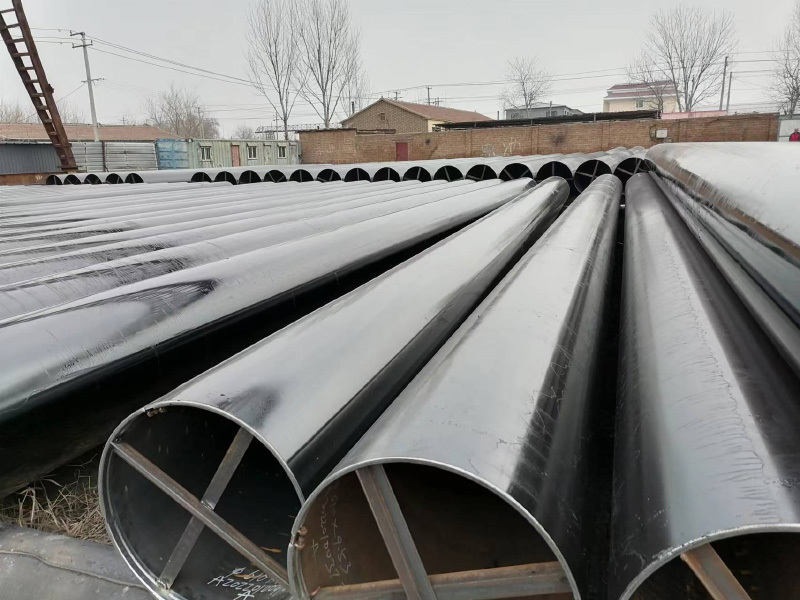
Seamless Steel Tubes: Versatile Solutions for Various Applications
Table of Contents
- Introduction to Seamless Steel Tubes
- Manufacturing Process of Seamless Steel Tubes
- Applications of Seamless Steel Tubes in Various Industries
- Advantages of Using Seamless Steel Tubes
- Seamless vs. Welded Steel Tubes: A Comparative Analysis
- Future Trends in Seamless Steel Tube Manufacturing
- Sustainability in Seamless Steel Tube Production
- Frequently Asked Questions
- Conclusion
Introduction to Seamless Steel Tubes
Seamless steel tubes have become an essential component across multiple industries due to their unique properties and versatility. Unlike welded tubes, seamless tubes are manufactured without any seams or joints, making them structurally stronger and more reliable. The absence of seams eliminates the risk of leakage, which is crucial in applications where pressure retention is essential. This article delves into the manufacturing process, applications, advantages, and future trends of seamless steel tubes, offering a comprehensive understanding of why they are indispensable in modern construction and industrial applications.
Manufacturing Process of Seamless Steel Tubes
The manufacturing process of seamless steel tubes is a sophisticated procedure that requires advanced technology and precision engineering. The primary method of production involves the following steps:
1. Billet Preparation
The process begins with the selection of high-quality steel billets, which are solid steel blocks. These billets are subjected to extreme heating to make them malleable.
2. Piercing
Once heated, the billets undergo a piercing process, where a hole is created in the center of the billet, forming a hollow tube. This step is critical as it determines the internal diameter of the tube.
3. Elongation
Following piercing, the hollow tube is elongated by being passed through a series of rollers. This process helps achieve the desired length and wall thickness of the seamless tube.
4. Heat Treatment
To enhance the mechanical properties and relieve internal stresses, the elongated tubes are subjected to heat treatment processes such as quenching and tempering.
5. Finishing
The final steps involve cutting the tubes to specified lengths, surface finishing, and inspection for quality assurance. At this stage, various tests, including ultrasonic and hydrostatic tests, are performed to ensure that the tubes meet industry standards.
Applications of Seamless Steel Tubes in Various Industries
Seamless steel tubes are highly versatile and find applications in numerous sectors. Some of the prominent applications include:
1. Oil and Gas Industry
In the oil and gas sector, seamless tubes are extensively used in pipelines, drilling equipment, and pressure vessels. Their ability to withstand high pressures and corrosive environments makes them ideal for transporting oil and gas safely.
2. Construction Industry
Seamless steel tubes are fundamental in construction, serving as structural components in buildings, bridges, and other infrastructure projects. They provide strength and stability while reducing overall weight.
3. Automotive Sector
In automotive manufacturing, seamless tubes are used in various applications, including exhaust systems, fuel lines, and hydraulic systems. Their durability and resistance to heat and pressure are vital for vehicle performance.
4. Aerospace Industry
The aerospace industry relies on seamless steel tubes for manufacturing aircraft components, such as landing gear and structural frames. The lightweight yet robust nature of seamless tubes is crucial for enhancing fuel efficiency.
5. Medical Equipment
Seamless tubes are also utilized in the medical field for creating high-precision instruments and devices. Their biocompatibility and strength are essential for ensuring patient safety.
Advantages of Using Seamless Steel Tubes
The use of seamless steel tubes comes with a myriad of benefits that make them preferred over other types of tubes. Some of these advantages include:
1. Higher Strength
Seamless tubes exhibit superior strength due to their solid construction. This makes them suitable for high-pressure applications where strength is critical.
2. Enhanced Durability
The absence of seams reduces the risk of cracks and weaknesses, leading to a longer lifespan. This durability translates to lower maintenance costs over time.
3. Superior Fluid Dynamics
Seamless tubes provide smooth internal surfaces, allowing for better fluid flow. This is particularly important in applications involving liquids and gases.
4. Resistance to Corrosion
Many seamless tubes are treated or coated to enhance their resistance to corrosion, making them ideal for harsh environments.
5. Versatility in Design
Seamless tubes can be manufactured in various sizes, shapes, and coatings, catering to diverse industrial needs. This versatility allows for tailored solutions in specific applications.
Seamless vs. Welded Steel Tubes: A Comparative Analysis
When it comes to selecting between seamless and welded steel tubes, understanding the differences is crucial.
1. Structure
Seamless tubes are produced without seams, while welded tubes are made by welding together flat steel strips. This fundamental difference affects their performance under pressure.
2. Strength and Durability
Seamless tubes generally offer better strength and durability compared to welded tubes. The welded joints in welded tubes can be points of failure under extreme conditions.
3. Cost
Welded tubes are often more cost-effective due to their simpler manufacturing process. However, the long-term value of seamless tubes in high-stress applications can justify the higher upfront costs.
4. Applications
While both types of tubes have their applications, seamless tubes are preferred in industries where safety and reliability are paramount, such as oil and gas, aviation, and medical sectors.
Future Trends in Seamless Steel Tube Manufacturing
As industries continue to evolve, the manufacturing processes for seamless steel tubes are also advancing. Key trends include:
1. Automation and Smart Manufacturing
The integration of automation in the production process enhances efficiency and reduces human error. Smart manufacturing technologies allow for real-time monitoring and quality control.
2. Advanced Materials
The development of high-strength alloys and advanced composite materials is on the rise. These innovations aim to create lighter, stronger, and more corrosion-resistant tubes.
3. Sustainable Practices
As environmental concerns grow, manufacturers are focusing on sustainable practices. This includes reducing waste, using recycled materials, and implementing energy-efficient processes.
4. Customization
The demand for customized solutions is increasing, prompting manufacturers to offer bespoke designs that meet specific application requirements.
Sustainability in Seamless Steel Tube Production
Sustainability is becoming an essential aspect of seamless steel tube production. Many manufacturers are adopting eco-friendly practices to minimize their environmental footprint.
1. Recycling Initiatives
Steel is one of the most recyclable materials, and the industry is embracing recycling initiatives to reduce raw material consumption and waste.
2. Energy Efficiency
Improving energy efficiency in the manufacturing process not only reduces costs but also lowers greenhouse gas emissions, contributing to a more sustainable operation.
3. Eco-Friendly Coatings
There is a growing trend towards using environmentally friendly coatings and treatments for seamless tubes, enhancing their corrosion resistance without harming the environment.
Frequently Asked Questions
1. What are seamless steel tubes used for?
Seamless steel tubes are used in various industries, including oil and gas, construction, automotive, aerospace, and medical equipment, due to their strength and durability.
2. How are seamless steel tubes manufactured?
The manufacturing process involves several stages, including billet preparation, piercing, elongation, heat treatment, and finishing.
3. What are the advantages of seamless steel tubes over welded tubes?
Seamless tubes generally offer higher strength, durability, and superior fluid dynamics compared to welded tubes, making them suitable for high-pressure applications.
4. Can seamless steel tubes be recycled?
Yes, seamless steel tubes can be recycled, and many manufacturers are adopting recycling initiatives to promote sustainability.
5. What future trends can we expect in seamless steel tube manufacturing?
Future trends include increased automation, the use of advanced materials, sustainable practices, and greater customization to meet specific application needs.
Conclusion
Seamless steel tubes are pivotal in a multitude of applications across various industries, offering unparalleled strength, durability, and versatility. As we look to the future, advancements in manufacturing processes, sustainability initiatives, and technological innovations will undoubtedly enhance the role of seamless tubes even further. Embracing these changes will not only meet the increasing demands of modern industries but also contribute to a more sustainable and efficient future. Understanding the importance and capabilities of seamless steel tubes will empower businesses and professionals to leverage these versatile solutions effectively.
Hot Tags:
PREVIOUS:

Cangzhou KTD Steel Pipe Co.,ltd
Mengcun County, Cangzhou City, Hebei Province, China 061000


REQUEST QUOTE