Leading Smls Pipe and fittings supplier from China since 1991

Understanding ASTM Standards for Seamless Steel Pipes: Comprehensive Guide
Understanding ASTM Standards for Seamless Steel Pipes Table of Contents Introduction to ASTM Standards What are Seamless Steel Pipes? The Importance of ASTM Standards in Seamless Steel Pipes Key ASTM Standards for Seamless Steel Pipes ASTM A106: Standard Specification for Seamless Carbon Steel Pipe ASTM A53: Standard Specification for Pipe, Steel,
May 13,2026

Understanding ASTM Standards for Seamless Steel Pipes
Table of Contents
- Introduction to ASTM Standards
- What are Seamless Steel Pipes?
- The Importance of ASTM Standards in Seamless Steel Pipes
- Key ASTM Standards for Seamless Steel Pipes
- ASTM A106: Standard Specification for Seamless Carbon Steel Pipe
- ASTM A53: Standard Specification for Pipe, Steel, Black and Hot-Dipped, Zinc-Coated, Welded, and Seamless
- ASTM A333: Standard Specification for Seamless and Welded Steel Pipe for Low-Temperature Service
- Manufacturing Process of Seamless Steel Pipes
- Applications of Seamless Steel Pipes
- Quality Control and Testing of Seamless Steel Pipes
- Conclusion
- FAQs
Introduction to ASTM Standards
The **American Society for Testing and Materials (ASTM)** develops and publishes technical standards that are integral to various industries, including construction and manufacturing. These standards provide guidelines for the quality, durability, and safety of materials and processes. For seamless steel pipes, ASTM standards are especially crucial as they ensure that products meet specific performance criteria necessary for various applications.
What are Seamless Steel Pipes?
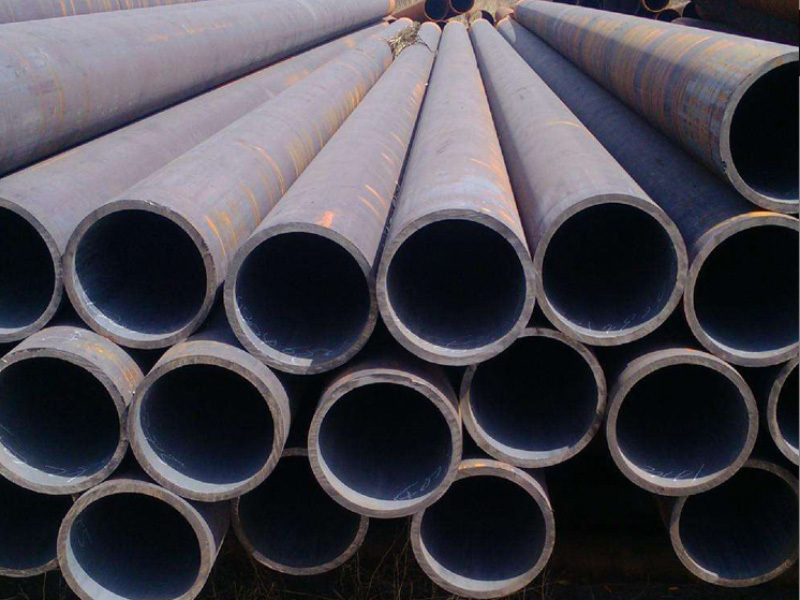
Seamless steel pipes are cylindrical tubes made from steel, characterized by the absence of seams or welds. This design contributes to their strength and durability, making them suitable for high-pressure applications. Unlike welded pipes, seamless pipes are formed from a single piece of metal, reducing the risk of failure under pressure.
The Importance of ASTM Standards in Seamless Steel Pipes
ASTM standards play a pivotal role in ensuring that seamless steel pipes are manufactured and tested according to specific performance metrics. The adoption of these standards:
1. **Enhances Quality:** Compliance with ASTM standards guarantees that products meet rigorous quality benchmarks.
2. **Increases Safety:** The standards help mitigate risks associated with material failure in critical applications.
3. **Facilitates Global Trade:** ASTM standards are recognized internationally, providing manufacturers with a competitive edge in the global market.
4. **Ensures Consistency:** Uniformity in manufacturing processes leads to more reliable and predictable outcomes.
Key ASTM Standards for Seamless Steel Pipes
Understanding the specific ASTM standards that govern seamless steel pipes is essential for professionals in the industry. Below are some key standards:
ASTM A106: Standard Specification for Seamless Carbon Steel Pipe
ASTM A106 covers seamless carbon steel pipes intended for high-temperature service. These pipes are designed to withstand elevated temperatures and are commonly used in power plants, petroleum refineries, and chemical plants. The standard specifies three grades (A, B, and C), with increasing yield strength and tensile strength.
ASTM A53: Standard Specification for Pipe, Steel, Black and Hot-Dipped, Zinc-Coated, Welded, and Seamless
ASTM A53 is essential for seamless steel pipes that are intended for mechanical and pressure applications. This standard covers various grades and types of pipes, including those suitable for welding and additional coating processes. It is widely used in construction and industrial applications.
ASTM A333: Standard Specification for Seamless and Welded Steel Pipe for Low-Temperature Service
ASTM A333 addresses the requirements for seamless and welded pipes intended for use at low temperatures. This standard is critical for industries such as oil and gas, where pipes may be exposed to extreme environmental conditions. The specified grades are designed to maintain ductility and toughness at low temperatures.
Manufacturing Process of Seamless Steel Pipes
The manufacturing process of seamless steel pipes involves several critical steps to ensure the final product meets ASTM standards:
1. **Billet Formation:** The process begins with a solid steel billet, which is heated and pierced to create a hollow tube.
2. **Elongation:** The hollow tube is then elongated and shaped into the desired length and diameter using a series of rollers.
3. **Heat Treatment:** To enhance mechanical properties, the pipes undergo heat treatment, which can involve processes like normalizing or annealing.
4. **Cold Working:** Some pipes may be cold worked to achieve specific tolerances and surface finishes.
5. **Testing and Inspection:** Each pipe is subject to rigorous testing, including non-destructive tests, to ensure compliance with ASTM standards.
Applications of Seamless Steel Pipes
Seamless steel pipes are utilized across various industries due to their strength and reliability. Common applications include:
- **Oil and Gas:** Used in upstream and downstream processes, including drilling, transportation, and refining.
- **Construction:** Employed in structural applications, irrigation systems, and water transport.
- **Automotive:** Utilized in engine components and exhaust systems due to their high strength-to-weight ratio.
- **Aerospace:** Integral for components that require lightweight yet strong materials to handle high-stress environments.
- **Pharmaceuticals:** Used in piping systems that require sterile conditions for transporting fluids.
Quality Control and Testing of Seamless Steel Pipes
Quality control is a crucial aspect of manufacturing seamless steel pipes. Various testing methods are implemented to ensure compliance with ASTM standards:
1. **Visual Inspection:** The pipes are visually examined for defects, such as surface imperfections or dimensional inaccuracies.
2. **Non-Destructive Testing (NDT):** Techniques such as ultrasonic testing or radiography are employed to detect internal flaws without damaging the pipe.
3. **Hydrostatic Testing:** Pipes are subjected to high-pressure water tests to check for leaks and ensure structural integrity.
4. **Mechanical Testing:** Tensile strength, yield strength, and elongation tests are conducted to verify that the pipes meet performance specifications.
Conclusion
Understanding ASTM standards for seamless steel pipes is essential for industry professionals involved in manufacturing, quality control, and application. By adhering to these standards, we contribute to the safety, reliability, and performance of seamless steel pipe products. As the industry continues to evolve, staying informed about the latest ASTM specifications and advancements in manufacturing processes will remain critical for success.
FAQs
1. What are the main benefits of seamless steel pipes over welded pipes?
Seamless steel pipes offer greater strength and resistance to pressure, as they lack weld seams that can be weak points. This makes them ideal for high-pressure applications.
2. How do ASTM standards impact the manufacturing of seamless steel pipes?
ASTM standards provide guidelines for material quality, testing methods, and manufacturing processes, ensuring consistent production of high-quality pipes.
3. What industries primarily use seamless steel pipes?
Seamless steel pipes are widely used in the oil and gas, construction, automotive, aerospace, and pharmaceutical industries due to their strength and reliability.
4. How are seamless steel pipes tested for quality assurance?
They undergo various tests, including visual inspection, non-destructive testing, hydrostatic testing, and mechanical testing, to ensure they meet ASTM standards.
5. Can seamless steel pipes be used in low-temperature conditions?
Yes, specific ASTM standards, such as ASTM A333, are designed for seamless steel pipes used in low-temperature environments, ensuring they maintain mechanical integrity in extreme conditions.
Hot Tags:
Cangzhou KTD Steel Pipe Co.,ltd
Mengcun County, Cangzhou City, Hebei Province, China 061000


REQUEST QUOTE