Leading Smls Pipe and fittings supplier from China since 1991

Understanding ASTM Seamless Pipes: Key Insights for Construction and Decoration
ASTM seamless pipes are widely recognized for their superior strength and reliability, making them a preferred choice in various construction applications. ASTM, which stands for the American Society for Testing and Materials, sets the standards for the manufacturing and testing of seamless pipes, ensuring that they meet specific quality and performance criteria. One of the defining characteristic
May 13,2026
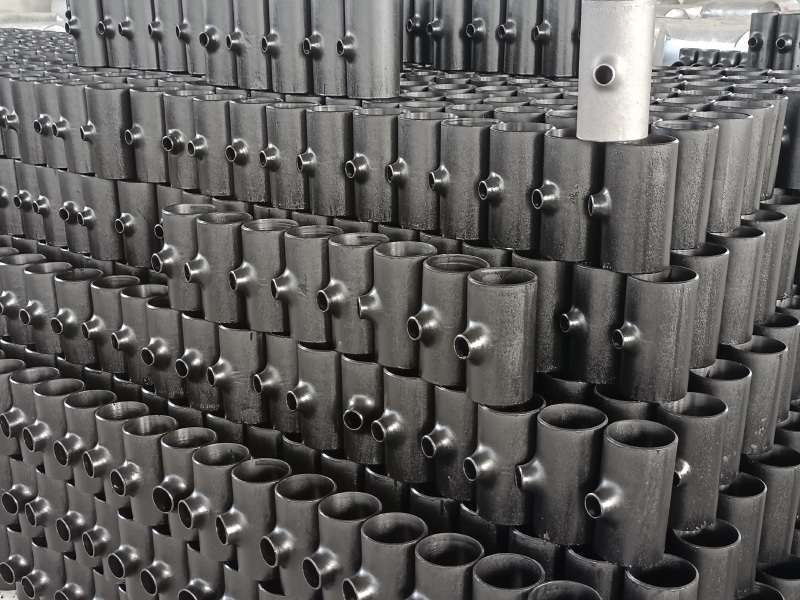
ASTM seamless pipes are widely recognized for their superior strength and reliability, making them a preferred choice in various construction applications. ASTM, which stands for the American Society for Testing and Materials, sets the standards for the manufacturing and testing of seamless pipes, ensuring that they meet specific quality and performance criteria.
One of the defining characteristics of ASTM seamless pipes is their lack of welds. Unlike welded pipes, which can exhibit weakness at the joints, seamless pipes are formed from a solid piece of material. This feature not only enhances their structural integrity but also provides resistance to corrosion and other environmental factors. As a result, they are particularly suitable for high-pressure applications and environments where durability is crucial.
In construction, ASTM seamless pipes are often used in a variety of systems, including water supply, heating, and gas distribution. Their ability to withstand high temperatures and pressures makes them ideal for both residential and commercial projects. Additionally, their smooth interior surface minimizes turbulence and allows for efficient fluid flow, which is essential in plumbing and piping systems.
The manufacturing process of ASTM seamless pipes involves extrusion, which creates a continuous length of pipe without seams. This process contributes to the uniformity of the pipes and reduces the likelihood of defects. It’s important to note that ASTM seamless pipes are categorized into different grades, each of which has specific mechanical properties and applications. Understanding these grades can help you select the appropriate pipe for your specific needs.
When considering ASTM seamless pipes for your projects, it is essential to evaluate the factors influencing your choice. These include the pipe size, thickness, and the specific ASTM standard that corresponds to the intended application. Additionally, familiarity with the environmental conditions and the chemical properties of the materials being transported can guide you in making the best selection.
In conclusion, ASTM seamless pipes are an integral part of the construction and decoration materials industry, offering unmatched strength, durability, and versatility. Their seamless design enhances performance in various applications, making them a valuable investment for any construction project. By understanding the key features and benefits of ASTM seamless pipes, you can make informed decisions that align with your project requirements, ultimately ensuring successful outcomes in your construction endeavors.
One of the defining characteristics of ASTM seamless pipes is their lack of welds. Unlike welded pipes, which can exhibit weakness at the joints, seamless pipes are formed from a solid piece of material. This feature not only enhances their structural integrity but also provides resistance to corrosion and other environmental factors. As a result, they are particularly suitable for high-pressure applications and environments where durability is crucial.
In construction, ASTM seamless pipes are often used in a variety of systems, including water supply, heating, and gas distribution. Their ability to withstand high temperatures and pressures makes them ideal for both residential and commercial projects. Additionally, their smooth interior surface minimizes turbulence and allows for efficient fluid flow, which is essential in plumbing and piping systems.
The manufacturing process of ASTM seamless pipes involves extrusion, which creates a continuous length of pipe without seams. This process contributes to the uniformity of the pipes and reduces the likelihood of defects. It’s important to note that ASTM seamless pipes are categorized into different grades, each of which has specific mechanical properties and applications. Understanding these grades can help you select the appropriate pipe for your specific needs.
When considering ASTM seamless pipes for your projects, it is essential to evaluate the factors influencing your choice. These include the pipe size, thickness, and the specific ASTM standard that corresponds to the intended application. Additionally, familiarity with the environmental conditions and the chemical properties of the materials being transported can guide you in making the best selection.
In conclusion, ASTM seamless pipes are an integral part of the construction and decoration materials industry, offering unmatched strength, durability, and versatility. Their seamless design enhances performance in various applications, making them a valuable investment for any construction project. By understanding the key features and benefits of ASTM seamless pipes, you can make informed decisions that align with your project requirements, ultimately ensuring successful outcomes in your construction endeavors.
Hot Tags:
Cangzhou KTD Steel Pipe Co.,ltd
Mengcun County, Cangzhou City, Hebei Province, China 061000


REQUEST QUOTE