Leading Smls Pipe and fittings supplier from China since 1991

Comparing ASTM Seamless Carbon Steel Pipes with Other Pipe Materials: A Comprehensive Guide
Comparing ASTM Seamless Carbon Steel Pipes with Other Pipe Materials Table of Contents 1. Introduction to ASTM Seamless Carbon Steel Pipes 2. What Are Seamless Carbon Steel Pipes? 3. Advantages of ASTM Seamless Carbon Steel Pipes 4. Comparing Seamless Carbon Steel with Other Pipe Materials 4.1 Ductile Iron Pipes 4.2 PVC Pipes 4.3 Stainless Steel Pipes
May 15,2026
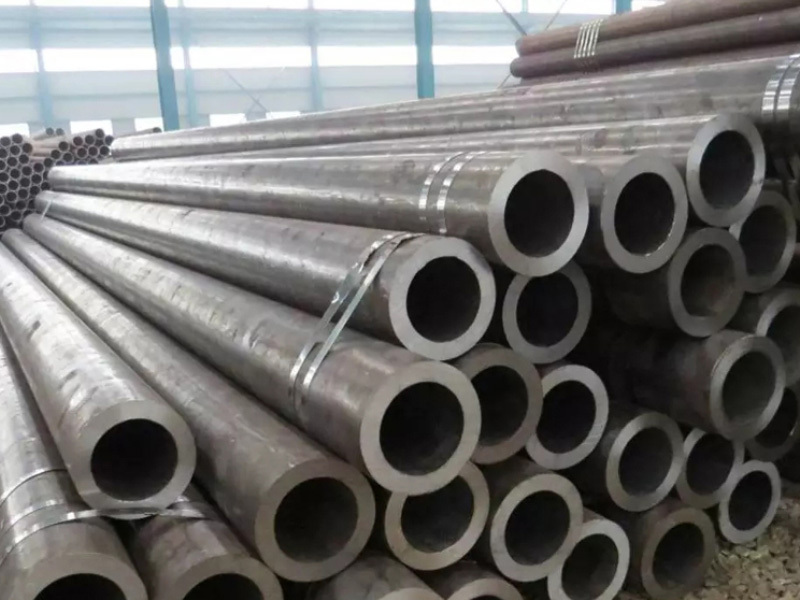
Comparing ASTM Seamless Carbon Steel Pipes with Other Pipe Materials
Table of Contents
- 1. Introduction to ASTM Seamless Carbon Steel Pipes
- 2. What Are Seamless Carbon Steel Pipes?
- 3. Advantages of ASTM Seamless Carbon Steel Pipes
- 4. Comparing Seamless Carbon Steel with Other Pipe Materials
- 4.1 Ductile Iron Pipes
- 4.2 PVC Pipes
- 4.3 Stainless Steel Pipes
- 4.4 Copper Pipes
- 5. Cost-Effectiveness of ASTM Seamless Carbon Steel Pipes
- 6. Applications of ASTM Seamless Carbon Steel Pipes
- 7. Environmental Considerations
- 8. Frequently Asked Questions (FAQs)
- 9. Conclusion
1. Introduction to ASTM Seamless Carbon Steel Pipes
In the realm of construction and engineering, the choice of piping material is crucial for the success of any project. ASTM seamless carbon steel pipes stand out due to their exceptional properties. These pipes are designed to meet stringent quality standards, making them a reliable choice for conveying fluids and gases under high pressure and temperature conditions. This article delves into the characteristics of ASTM seamless carbon steel pipes, comparing them with other popular pipe materials, to help you understand their advantages and optimal applications.
2. What Are Seamless Carbon Steel Pipes?
Seamless carbon steel pipes are manufactured from solid steel billets through a process called extrusion. Unlike welded pipes, which are formed by welding two or more pieces of metal together, seamless pipes do not have a seam, which significantly enhances their strength and durability.
These pipes are categorized under various ASTM standards, with ASTM A106 and ASTM A53 being the most prevalent for seamless carbon steel pipes. They come in a variety of sizes and wall thicknesses, making them suitable for a wide range of applications in industries such as oil and gas, construction, and power generation.
3. Advantages of ASTM Seamless Carbon Steel Pipes
Understanding the key advantages of ASTM seamless carbon steel pipes can help you determine their suitability for your specific needs. Here are several compelling reasons to consider these pipes:
3.1 High Strength and Durability
Seamless carbon steel pipes are known for their superior tensile strength, which makes them capable of withstanding high pressure and extreme temperatures. This durability is essential in critical applications such as pipelines for oil and gas, where safety and reliability are paramount.
3.2 Corrosion Resistance
While carbon steel pipes are not inherently corrosion-resistant, they can be treated with various coatings to enhance their resistance to environmental factors. This adaptability allows seamless carbon steel pipes to perform well in various conditions.
3.3 Wide Availability
These pipes are widely available in the market, making it easier for contractors and engineers to source them for their projects. The standardization of ASTM specifications ensures consistency and quality across manufacturers.
3.4 Cost-Effectiveness
Compared to other materials such as stainless steel, seamless carbon steel pipes are often more affordable while still offering excellent performance. This cost advantage can lead to significant savings in large-scale projects.
4. Comparing Seamless Carbon Steel with Other Pipe Materials
When choosing a piping material, it is essential to compare different options based on specific criteria such as strength, corrosion resistance, cost, and application. Below, we explore several alternatives to ASTM seamless carbon steel pipes.
4.1 Ductile Iron Pipes
Ductile iron pipes are known for their excellent strength and durability, often used in water and wastewater applications. While they are resistant to corrosion, the weight and cost of ductile iron may be higher than that of seamless carbon steel pipes.
Seamless carbon steel pipes, on the other hand, have a higher tensile strength and can handle extreme pressures better than ductile iron, making them a preferred choice in high-pressure applications.
4.2 PVC Pipes
Polyvinyl chloride (PVC) pipes are lightweight, corrosion-resistant, and easy to install. They are commonly used in residential plumbing and drainage systems. However, PVC pipes lack the strength and temperature resistance of seamless carbon steel pipes.
For projects that require high-pressure systems or exposure to elevated temperatures, ASTM seamless carbon steel pipes are undoubtedly more reliable due to their robust material properties.
4.3 Stainless Steel Pipes
Stainless steel pipes are renowned for their exceptional corrosion resistance and longevity. However, they tend to be more expensive than seamless carbon steel pipes.
In terms of strength, seamless carbon steel pipes can outperform stainless steel in high-pressure environments, making them a more practical option for demanding applications where cost is a concern.
4.4 Copper Pipes
Copper pipes are favored for their thermal conductivity and resistance to corrosion. They are commonly used in plumbing and HVAC systems. However, the rising cost of copper has made it less appealing compared to carbon steel pipes.
For applications involving high pressures or significant mechanical stress, seamless carbon steel pipes remain the superior choice due to their strength and durability.
5. Cost-Effectiveness of ASTM Seamless Carbon Steel Pipes
Cost is a critical factor in any construction project, and ASTM seamless carbon steel pipes offer an attractive balance between performance and price. While they are more expensive than PVC, they are often less costly than stainless steel and copper pipes.
The initial investment in seamless carbon steel may be justified by their longevity, reduced maintenance requirements, and overall performance, leading to lower long-term costs. In many cases, the durability of seamless carbon steel pipes translates to fewer replacements and repairs, resulting in substantial savings over time.
6. Applications of ASTM Seamless Carbon Steel Pipes
ASTM seamless carbon steel pipes are versatile and find applications across various industries. Here are some common uses:
6.1 Oil and Gas Industry
These pipes are widely used in the oil and gas sector for transporting hydrocarbons from extraction sites to processing facilities. Their strength and resistance to high pressures make them ideal for such applications.
6.2 Construction
In the construction industry, seamless carbon steel pipes are employed in structural applications, such as scaffolding and support systems, due to their reliability and load-bearing capacity.
6.3 Power Generation
Power plants utilize seamless carbon steel pipes in steam and water systems, where high pressures and temperatures are prevalent. Their durability ensures efficient operation in these demanding environments.
6.4 Water and Wastewater Management
These pipes are also used in municipal water systems for transporting drinking water and managing wastewater due to their strength and corrosion resistance when properly treated.
7. Environmental Considerations
When choosing piping materials, it's important to consider their environmental impact. ASTM seamless carbon steel pipes can be recycled, reducing waste and promoting sustainability. Furthermore, advancements in production processes have led to more eco-friendly manufacturing practices in the steel industry.
However, carbon steel pipes can corrode over time if not properly maintained or treated. Implementing protective coatings and regular inspections can enhance their lifespan and minimize environmental risks associated with leaks or ruptures.
8. Frequently Asked Questions (FAQs)
What is the main advantage of seamless carbon steel pipes over welded pipes?
The primary advantage of seamless carbon steel pipes is their lack of seams, which allows for enhanced strength and reliability under high pressure and temperature conditions.
Are ASTM seamless carbon steel pipes suitable for underground installations?
Yes, with proper corrosion resistance treatments, seamless carbon steel pipes are suitable for underground installations, particularly in oil and gas applications.
How do I choose the right size of seamless carbon steel pipe for my project?
Selecting the right size involves considering the flow requirements, pressure ratings, and applicable codes or standards for your specific application.
Can seamless carbon steel pipes be used in high-temperature applications?
Yes, ASTM seamless carbon steel pipes are designed to withstand high temperatures, making them suitable for applications in power generation and other industrial processes.
What maintenance is required for seamless carbon steel pipes?
Regular inspections, proper cleaning, and protective coatings are advised to prevent corrosion and ensure the longevity of seamless carbon steel pipes.
9. Conclusion
In conclusion, ASTM seamless carbon steel pipes offer a blend of strength, durability, and cost-effectiveness that makes them a top choice for various applications, particularly in high-pressure environments. By comparing these pipes with other materials such as ductile iron, PVC, stainless steel, and copper, we can appreciate the unique advantages that seamless carbon steel brings to the table.
When selecting piping materials for your projects, consider the specific demands of your application, including temperature, pressure, and environmental factors. By making an informed decision, you can ensure the success and longevity of your infrastructure.
Hot Tags:
Cangzhou KTD Steel Pipe Co.,ltd
Mengcun County, Cangzhou City, Hebei Province, China 061000


REQUEST QUOTE