Leading Smls Pipe and fittings supplier from China since 1991

Seamless vs. Welded Steel Tubes: Which is Better for Construction?
Seamless vs. Welded Steel Tubes: Which is Better for Construction? Table of Contents 1. Introduction 2. Understanding Steel Tubes 2.1 What are Seamless Steel Tubes? 2.2 What are Welded Steel Tubes? 3. Key Differences Between Seamless and Welded Steel Tubes 3.1 Manufacturing Process 3.2 Strength and Durability
May 15,2026
Seamless vs. Welded Steel Tubes: Which is Better for Construction?
Table of Contents
- 1. Introduction
- 2. Understanding Steel Tubes
- 3. Key Differences Between Seamless and Welded Steel Tubes
- 3.1 Manufacturing Process
- 3.2 Strength and Durability
- 3.3 Cost-Effectiveness
- 3.4 Applications in Construction
- 4. Advantages of Seamless Steel Tubes
- 5. Advantages of Welded Steel Tubes
- 6. Disadvantages of Seamless vs. Welded Tubes
- 7. Making the Right Choice for Your Project
- 8. Frequently Asked Questions
- 9. Conclusion
1. Introduction
In the realm of construction, selecting the right materials is crucial for the integrity and longevity of a project. Among the various options available, **steel tubes** are widely used for their strength and versatility. However, choosing between **seamless and welded steel tubes** can often be a challenging decision. This article aims to provide a thorough comparison of these two types of steel tubes, helping you determine which is better suited for your specific construction needs.
2. Understanding Steel Tubes
2.1 What are Seamless Steel Tubes?
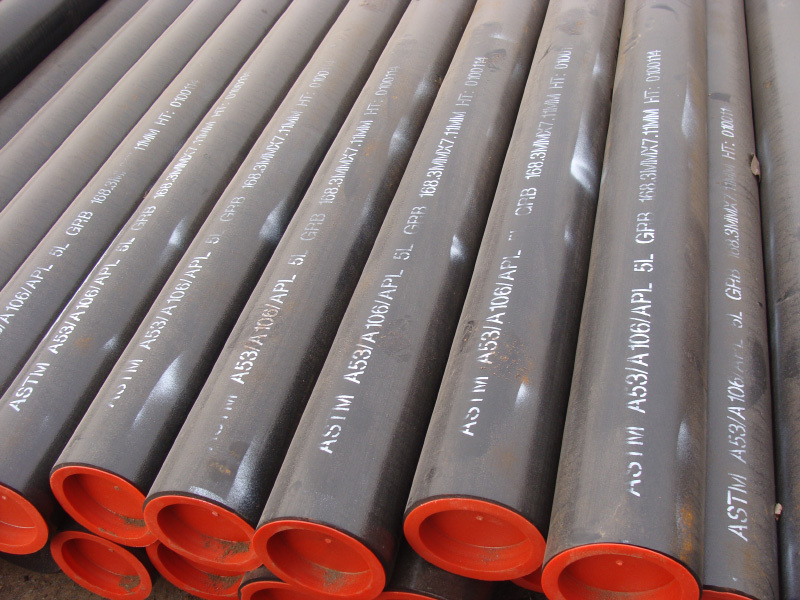
Seamless steel tubes are manufactured through a process that involves solid round steel billets heated and then pierced to create a hollow tube. This method results in a tube that has no seams or welds, providing a uniform and consistent structure. Seamless tubes are commonly used in high-pressure applications due to their superior strength and reliability.
2.2 What are Welded Steel Tubes?
Welded steel tubes, on the other hand, are produced by rolling a flat sheet of steel into a cylindrical shape and then welding the edges together. This method is generally less expensive than producing seamless tubes and allows for the production of larger diameter tubes. Welded tubes are widely used in various applications, though they may not be suitable for extremely high-pressure conditions.
3. Key Differences Between Seamless and Welded Steel Tubes
3.1 Manufacturing Process
The manufacturing process is a significant distinction between seamless and welded tubes. Seamless tubes undergo a more complex production process, which includes piercing and elongating solid steel billets. This process leads to fewer imperfections and a higher-quality product. Welded tubes are produced through simpler means, involving rolling and welding techniques that can introduce weaknesses where the weld is made.
3.2 Strength and Durability
When it comes to strength and durability, **seamless steel tubes** often have the upper hand. The absence of welds means that there are no potential weak points in the structure. This makes seamless tubes ideal for high-stress applications, such as oil and gas pipelines. Conversely, while welded tubes can be strong, the quality of the weld and the materials used can affect their overall durability.
3.3 Cost-Effectiveness
Cost is a vital factor in any construction project. Welded steel tubes generally come at a lower price than seamless tubes due to their simpler manufacturing process. However, when considering the long-term performance and potential maintenance costs, seamless tubes may offer better value for high-pressure or high-stress applications.
3.4 Applications in Construction
The choice between seamless and welded steel tubes often depends on the application. **Seamless steel tubes** are widely used in applications where high strength is essential, such as in structural frameworks, automotive components, and high-pressure environments. In contrast, **welded tubes** are commonly found in less demanding applications, such as scaffolding, furniture, and low-pressure piping.
4. Advantages of Seamless Steel Tubes
Seamless steel tubes come with several advantages that make them a preferred choice in specific scenarios:
- **Higher Pressure Ratings**: Seamless tubes can handle significantly higher pressures, making them suitable for hydraulic and gas applications.
- **Consistent Structure**: The absence of seams leads to fewer weaknesses, resulting in a more durable product.
- **Better Material Utilization**: Seamless tubes often have a higher yield strength, allowing for lighter structures without compromising safety.
5. Advantages of Welded Steel Tubes
Welded steel tubes also offer distinct benefits:
- **Cost-Effective**: They are generally cheaper to produce and purchase, making them ideal for budget-conscious projects.
- **Versatility in Sizes**: Welded tubes can be manufactured in larger diameters and customized to meet specific project requirements.
- **Faster Production**: The production process for welded tubes is quicker, which can significantly reduce lead times for projects.
6. Disadvantages of Seamless vs. Welded Tubes
Both seamless and welded tubes come with their respective drawbacks:
- **Seamless Tubes**: Generally more expensive and may require longer lead times due to their complex manufacturing process. They may not be as readily available in all sizes.
- **Welded Tubes**: Susceptible to weld defects, which can lead to failures under high-stress conditions. They may not perform well in environments where corrosion is a concern.
7. Making the Right Choice for Your Project
Choosing between seamless and welded steel tubes hinges on several factors, including:
- **Project Requirements**: Assess the specific needs of your construction project, including pressure ratings, environmental conditions, and load-bearing requirements.
- **Budget Constraints**: Determine how much of your budget can be allocated to steel tubes. If cost is a primary concern, welded tubes may be the best option.
- **Long-Term Considerations**: Evaluate the long-term performance of the tubes in their intended application. Investing in seamless tubes may pay off in terms of durability and reduced maintenance costs.
8. Frequently Asked Questions
1. Are seamless or welded steel tubes better for high-pressure applications?
Seamless steel tubes are generally considered better for high-pressure applications due to their uniform structure and lack of welds.
2. Can welded steel tubes be used for structural applications?
Yes, welded steel tubes can be used for structural applications, but they are typically more suitable for lower-stress environments.
3. How does the cost of seamless tubes compare to welded tubes?
Seamless tubes are usually more expensive to manufacture and purchase than welded tubes, though they may offer better long-term value in certain applications.
4. Which type of steel tube is more versatile in terms of size options?
Welded steel tubes are more versatile and can be produced in larger diameters and various thicknesses to meet specific project needs.
5. What factors should I consider when choosing between seamless and welded steel tubes?
Consider project requirements, budget constraints, and long-term performance needs when making your choice.
9. Conclusion
In conclusion, the decision between seamless and welded steel tubes ultimately depends on the specific needs of your construction project. **Seamless tubes** offer superior strength and durability, making them ideal for high-pressure applications, while **welded tubes** provide a cost-effective and versatile solution for less demanding environments. By understanding the key differences, advantages, and disadvantages of each type, you can make an informed choice that ensures the safety and longevity of your construction endeavors.
Hot Tags:
Cangzhou KTD Steel Pipe Co.,ltd
Mengcun County, Cangzhou City, Hebei Province, China 061000


REQUEST QUOTE