Leading Smls Pipe and fittings supplier from China since 1991

The Impact of ASTM Seamless Steel Pipes on Construction Efficiency
The Impact of ASTM Seamless Steel Pipes on Construction Efficiency Table of Contents Introduction to ASTM Seamless Steel Pipes What Are ASTM Seamless Steel Pipes? Benefits of Using ASTM Seamless Steel Pipes Increased Strength and Durability Reduced Risk of Leakage Cost-Effectiveness and Efficiency Applications of ASTM Seamless
Jun 19,2026

The Impact of ASTM Seamless Steel Pipes on Construction Efficiency
Table of Contents
- Introduction to ASTM Seamless Steel Pipes
- What Are ASTM Seamless Steel Pipes?
- Benefits of Using ASTM Seamless Steel Pipes
- Applications of ASTM Seamless Steel Pipes
- Standards and Regulations Governing ASTM Seamless Steel Pipes
- Future Trends in Seamless Steel Pipe Manufacturing
- Frequently Asked Questions
- Conclusion
Introduction to ASTM Seamless Steel Pipes
In the ever-evolving landscape of construction, efficiency is paramount. The materials used in construction not only affect the timeline of projects but also determine their overall quality and longevity. Among the key materials that have gained prominence over the years are **ASTM seamless steel pipes**. These pipes have become integral in various construction projects due to their exceptional properties and benefits. As we delve deeper into the impact of ASTM seamless steel pipes, we will explore how they enhance construction efficiency and contribute to the industry’s advancement.
What Are ASTM Seamless Steel Pipes?
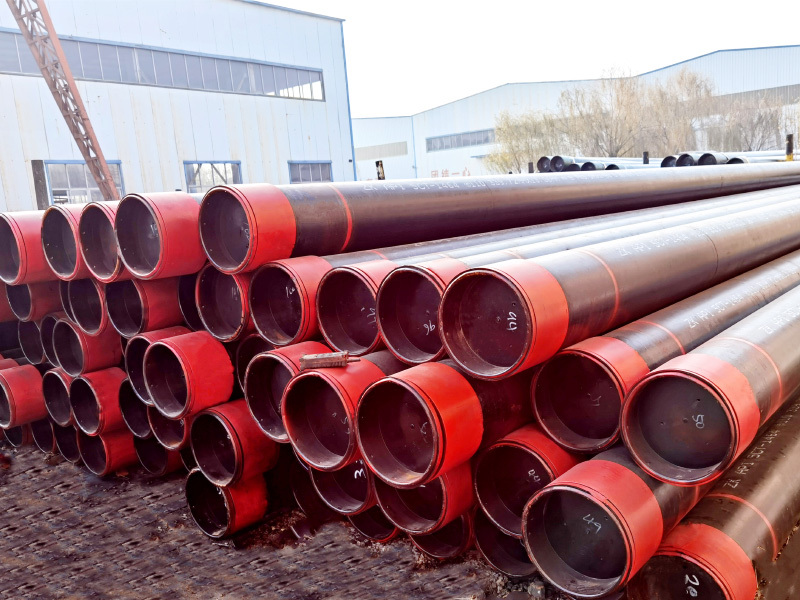
**ASTM seamless steel pipes** are cylindrical tubes made from steel without any welded seams. They are manufactured through a process that involves heating a solid round steel billet and then forming it into a pipe shape while it is still hot. This seamless manufacturing process results in a stronger and more durable product, as there are no weak points typically found at welded joints. ASTM, or the American Society for Testing and Materials, provides standardized specifications for the manufacturing and performance of these pipes, ensuring their quality and reliability across various applications.
Benefits of Using ASTM Seamless Steel Pipes
The advantages of ASTM seamless steel pipes extend beyond mere structural integrity. Here, we will examine some of the key benefits that have made them a preferred choice among engineers and contractors.
Increased Strength and Durability
One of the most significant advantages of ASTM seamless steel pipes is their superior strength and durability. The absence of welded seams minimizes the risk of failure under high pressure and extreme temperatures, making these pipes ideal for applications that demand resilience. Their ability to withstand harsh environmental conditions ensures that structures maintain their integrity over time, resulting in a longer lifespan and reduced maintenance requirements.
Reduced Risk of Leakage
Seamless steel pipes boast a seamless construction that significantly reduces the likelihood of leaks. In many construction projects, leaks can lead to severe complications, including safety hazards and damage to surrounding structures. The reliability of seamless pipes in preventing leaks ensures that projects uphold safety standards and minimizes the risk of costly repairs.
Cost-Effectiveness and Efficiency
While the initial investment in ASTM seamless steel pipes may be higher than that of other options, their long-term cost-effectiveness cannot be overlooked. The durability and reduced maintenance needs lead to significant savings over the lifespan of the pipes. Moreover, their efficiency in terms of installation reduces labor costs and project timelines, making them a smart choice for budget-conscious projects.
Applications of ASTM Seamless Steel Pipes
The versatility of ASTM seamless steel pipes allows their application across various industries. Below, we explore two primary sectors that benefit from their use.
In the Construction Industry
Within the construction industry, seamless steel pipes are utilized in structural applications, plumbing, and HVAC systems. Their strength makes them suitable for high-rise buildings and commercial structures, where safety and durability are paramount. Additionally, their ability to be fabricated into various shapes and sizes allows for customization based on specific project requirements.
In the Oil and Gas Industry
The oil and gas industry heavily relies on seamless steel pipes due to their ability to withstand extreme pressure and temperatures. These pipes are often used in drilling and transportation processes, where reliability is crucial. The seamless design ensures that the pipes can handle the high-stress environments typical in oil and gas applications without risking failure.
Standards and Regulations Governing ASTM Seamless Steel Pipes
To ensure quality and safety, ASTM seamless steel pipes are subject to strict standards and regulations. These guidelines encompass various aspects of the manufacturing process, including material composition, dimensional tolerances, and performance criteria. Compliance with these standards not only guarantees the reliability of the pipes but also instills confidence among contractors and end-users.
Future Trends in Seamless Steel Pipe Manufacturing
As technology continues to advance, the manufacturing processes of seamless steel pipes are evolving. Innovations such as automation and the use of high-strength materials are expected to enhance the performance and efficiency of these pipes. Furthermore, the increasing focus on sustainability in construction will drive the development of eco-friendly manufacturing practices, ensuring that ASTM seamless steel pipes remain relevant in a changing industry landscape.
Frequently Asked Questions
1. What is the difference between seamless and welded pipes?
Seamless pipes are manufactured without welded joints, offering superior strength and resilience. In contrast, welded pipes are formed by welding two pieces of metal together, which can create potential weak points.
2. Are ASTM seamless steel pipes more expensive than other types of pipes?
Yes, the initial cost of seamless steel pipes is often higher than that of welded or other types of pipes. However, their durability and low maintenance needs can result in long-term savings.
3. In what industries are ASTM seamless steel pipes commonly used?
ASTM seamless steel pipes are widely used in construction, oil and gas, water transportation, and various industrial applications where strength and reliability are crucial.
4. How do I choose the right ASTM seamless steel pipe for my project?
Selecting the appropriate pipe involves considering factors such as the intended application, pressure requirements, and environmental conditions. Consulting with industry experts can provide valuable insights.
5. What are the maintenance requirements for ASTM seamless steel pipes?
While seamless steel pipes are low-maintenance due to their durability, periodic inspections and assessments are recommended to ensure long-term performance and integrity.
Conclusion
ASTM seamless steel pipes have made a significant impact on construction efficiency, providing a combination of strength, durability, and cost-effectiveness. Their seamless design minimizes the risk of failure, while their versatility allows for a wide range of applications across various industries. As technology continues to advance, the future of seamless steel pipes looks promising, ensuring that they remain a vital component in the construction sector. By understanding and utilizing the benefits of ASTM seamless steel pipes, we can enhance construction processes, improve safety standards, and ultimately contribute to the advancement of modern infrastructure.
Hot Tags:
Cangzhou KTD Steel Pipe Co.,ltd
Mengcun County, Cangzhou City, Hebei Province, China 061000


REQUEST QUOTE