Leading Smls Pipe and fittings supplier from China since 1991

Key Factors to Consider When Choosing Carbon Steel Seamless Pipes
Key Factors to Consider When Choosing Carbon Steel Seamless Pipes Introduction to Carbon Steel Seamless Pipes Carbon steel seamless pipes are integral components in various construction and industrial applications. Known for their strength, durability, and resistance to extreme pressures, these pipes are preferred over welded alternatives in many scenarios. In this article, we will delve into the
Oct 17,2026
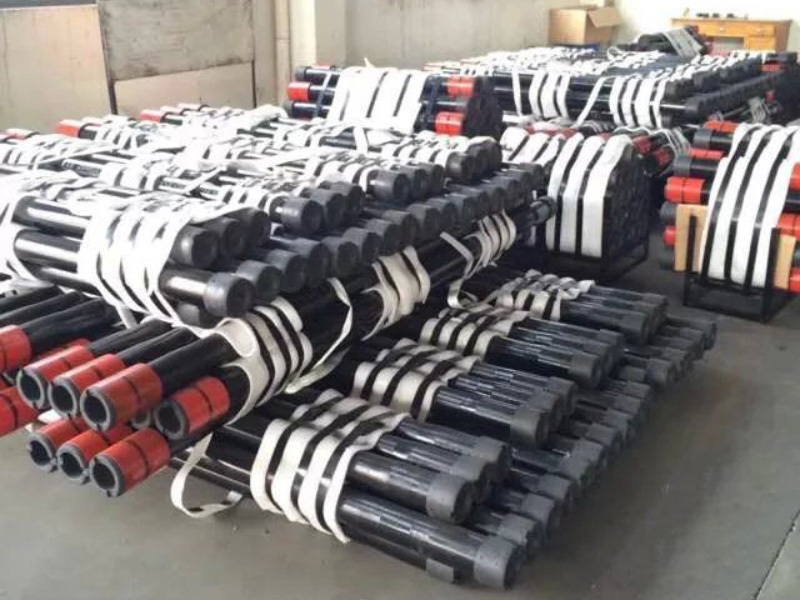
Key Factors to Consider When Choosing Carbon Steel Seamless Pipes
Introduction to Carbon Steel Seamless Pipes
Carbon steel seamless pipes are integral components in various construction and industrial applications. Known for their strength, durability, and resistance to extreme pressures, these pipes are preferred over welded alternatives in many scenarios. In this article, we will delve into the key factors to consider when selecting carbon steel seamless pipes, ensuring that you make informed choices for your projects.
Understanding Seamless Pipe Manufacturing
Seamless pipes are crafted from a solid round steel billet, which is heated and shaped into a pipe without any seams or joints. This manufacturing process provides several advantages:
The Benefits of Seamless Pipes
1. **Strength and Durability**: The absence of welds means seamless pipes can withstand higher pressures and stresses.
2. **Uniformity**: Seamless pipes offer consistent wall thickness and diameter, contributing to their reliability in demanding applications.
3. **Corrosion Resistance**: Certain grades of carbon steel can be treated to enhance corrosion resistance, making them suitable for various environments.
Key Manufacturing Standards and Specifications
When selecting carbon steel seamless pipes, it is crucial to ensure they meet specific industry standards. The following standards are commonly referenced:
- **ASTM A106**: This standard covers seamless carbon steel pipes for high-temperature service.
- **ASTM A53**: This standard is applicable for seamless and welded black and hot-dipped galvanized steel pipes.
- **API 5L**: This standard specifies the requirements for seamless and welded steel line pipes for the transportation of oil and gas.
Factors to Consider When Choosing Carbon Steel Seamless Pipes
1. Pipe Grade and Material Composition
Understanding the grade and material composition of the carbon steel seamless pipes is fundamental. Common grades include:
- **Grade A**: Suitable for low-pressure applications.
- **Grade B**: Offers higher tensile strength and is widely used in various industries.
- **Grade C**: Provides even higher strength and is often used in structural applications.
Additionally, the chemical composition of the steel, including carbon content, affects the pipe's properties, such as tensile strength and ductility.
2. Pipe Dimensions and Sizing
The dimensions of the pipe, including its diameter and wall thickness, are critical for ensuring compatibility with your system. Common sizing standards include:
- **Nominal Pipe Size (NPS)**: Determines the approximate inner diameter (ID) of the pipe.
- **Schedule**: Refers to the wall thickness of the pipe, impacting its pressure ratings and flow capacity.
3. Pressure Ratings and Temperature Tolerance
Different applications require varying pressure ratings and temperature tolerances. Understanding the specific requirements of your project will help you choose the right pipe. For instance:
- **High-Pressure Applications**: Consider pipes with higher schedule ratings.
- **High-Temperature Applications**: Refer to ASTM A106 for suitable grades designed for elevated temperatures.
4. Corrosion Resistance and Coatings
The environment in which the seamless pipes will operate significantly affects their longevity. Corrosion-resistant coatings, such as:
- **Galvanization**: Provides a protective zinc layer against corrosion.
- **Polyethylene Coatings**: Offers excellent protection in water and soil applications.
Assessing the need for protective coatings based on the application environment is crucial.
5. Quality Assurance and Testing Standards
Quality assurance is paramount when selecting carbon steel seamless pipes. Look for manufacturers that adhere to rigorous testing standards, including:
- **Hydrostatic Testing**: Ensures the pipe can withstand pressure without leaking.
- **Ultrasonic Testing**: Detects internal flaws that may compromise the pipe's integrity.
- **Tensile Testing**: Assesses the tensile strength of the material.
6. Welding and Joining Methods
Although seamless pipes do not have seams, understanding joining methods for connecting them with other components is essential. Common methods include:
- **Butt Welding**: Provides strong, durable connections.
- **Socket Welding**: Ideal for smaller pipe sizes.
Selecting the appropriate joining method ensures a robust and leak-free system.
7. Application-Specific Considerations
Different industries and applications have unique requirements. For example:
- **Oil and Gas**: Requires pipes that meet API standards for transporting hydrocarbons.
- **Construction**: May need pipes with specific strength and corrosion resistance properties.
Understanding application-specific needs helps in selecting the most suitable carbon steel seamless pipes.
8. Cost-Effectiveness and Lifecycle Analysis
While upfront costs are a significant consideration, evaluating the total lifecycle costs of carbon steel seamless pipes is equally important. Factors to consider include:
- **Durability and Maintenance Costs**: Higher-quality pipes may have a higher initial cost but can lead to lower maintenance expenses over time.
- **Energy Efficiency**: Consider how the choice of pipe affects operational costs, such as energy consumption in fluid transport.
FAQs about Carbon Steel Seamless Pipes
1. What are carbon steel seamless pipes used for?
Carbon steel seamless pipes are utilized in various industries, including oil and gas, construction, and manufacturing, primarily for transporting fluids and gases.
2. How do I determine the correct size of seamless pipes for my project?
To determine the correct size, consider the nominal pipe size (NPS) and the required wall thickness based on the pressure and flow requirements of your application.
3. Are seamless pipes more expensive than welded pipes?
Generally, seamless pipes can be more expensive due to the manufacturing process. However, their durability and performance can justify the cost in critical applications.
4. How do I maintain carbon steel seamless pipes?
Regular inspections for corrosion and damage, along with maintaining protective coatings, can prolong the life of carbon steel seamless pipes.
5. What certifications should I look for when purchasing seamless pipes?
Look for certifications from recognized standards such as ASTM or API, as well as manufacturer quality assurance certifications.
Conclusion
Choosing the right carbon steel seamless pipes is a critical decision that impacts the efficiency and safety of your projects. By considering factors such as material grade, pipe dimensions, pressure ratings, and application-specific needs, you can ensure that you select the best pipes for your requirements. Understanding the manufacturing standards and quality assurance processes will further enhance your confidence in the products you choose. With these insights, you are now better equipped to make informed decisions that will lead to successful outcomes in your construction and industrial endeavors.
Hot Tags:
PREVIOUS:
Cangzhou KTD Steel Pipe Co.,ltd
Mengcun County, Cangzhou City, Hebei Province, China 061000


REQUEST QUOTE