Leading Smls Pipe and fittings supplier from China since 1991

Seamless Carbon Steel Pipes: A Durable Choice for Building Materials
Seamless Carbon Steel Pipes: A Durable Choice for Building Materials Table of Contents 1. Introduction to Seamless Carbon Steel Pipes 2. The Manufacturing Process of Seamless Pipes 3. Key Benefits of Seamless Carbon Steel Pipes 3.1 Superior Strength and Durability 3.2 Resistance to Corrosion and Wear 3.3 Cost-Effectiveness in Construction 4. Applications of Seamless Carbon Steel Pi
Jul 01,2026
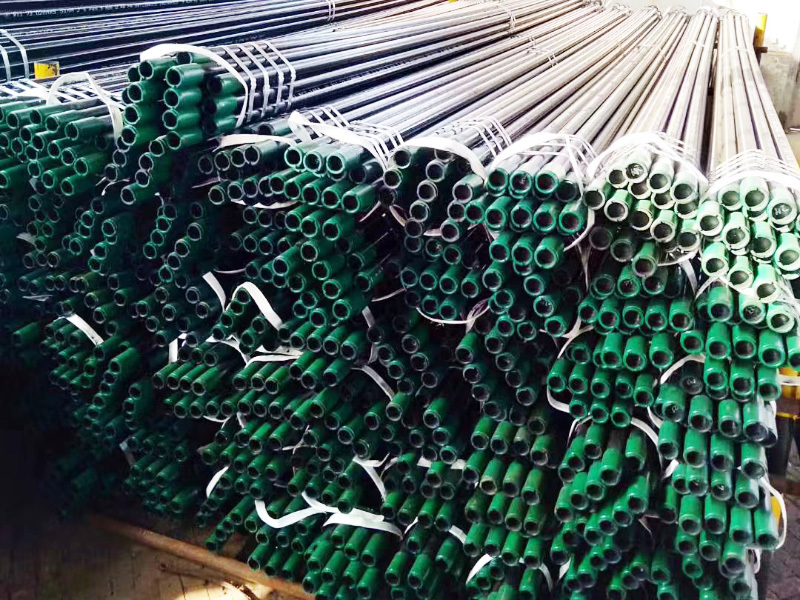
Seamless Carbon Steel Pipes: A Durable Choice for Building Materials
Table of Contents
1. Introduction to Seamless Carbon Steel Pipes
2. The Manufacturing Process of Seamless Pipes
3. Key Benefits of Seamless Carbon Steel Pipes
3.1 Superior Strength and Durability
3.2 Resistance to Corrosion and Wear
3.3 Cost-Effectiveness in Construction
4. Applications of Seamless Carbon Steel Pipes in Construction
4.1 Use in Structural Applications
4.2 Applications in Mechanical Engineering
4.3 Plumbing and Fluid Conveyance Systems
5. Comparison with Other Pipe Types
5.1 Seamless vs. Welded Pipes
5.2 Carbon Steel vs. Other Material Types
6. Maintenance and Care for Seamless Carbon Steel Pipes
7. Regulatory Standards and Compliance
8. Frequently Asked Questions (FAQs)
9. Conclusion
1. Introduction to Seamless Carbon Steel Pipes
Seamless carbon steel pipes have emerged as an essential component in the construction industry due to their unique properties and remarkable versatility. Unlike welded pipes, seamless pipes are crafted from a single piece of metal, eliminating the risk of weak points. This innovative manufacturing approach enhances their overall strength, making them a preferred choice for various applications in modern construction and engineering.
2. The Manufacturing Process of Seamless Pipes
The production of seamless carbon steel pipes begins with high-quality carbon steel billets. The billets undergo a series of processes, including heating and piercing, to form a hollow tube. The tube is then elongated through rotary piercing, followed by elongation and sizing processes. These advanced techniques ensure that the final product meets stringent dimensional and quality standards. The absence of seams not only enhances the pipe's integrity but also improves its ability to withstand high pressure and temperature.
3. Key Benefits of Seamless Carbon Steel Pipes
Seamless carbon steel pipes provide numerous advantages that significantly benefit construction projects.
3.1 Superior Strength and Durability
One of the standout features of seamless carbon steel pipes is their superior strength. The absence of seams minimizes the risk of failure under pressure, making these pipes ideal for high-stress applications. Their robustness ensures longevity, reducing the need for frequent replacements.
3.2 Resistance to Corrosion and Wear
Seamless carbon steel pipes exhibit excellent resistance to corrosion and wear. With appropriate coatings or finishes, these pipes can withstand harsh environmental conditions, making them suitable for outdoor applications and industries exposed to corrosive materials.
3.3 Cost-Effectiveness in Construction
Although the initial investment for seamless carbon steel pipes may be higher than that of welded alternatives, their durability translates into long-term savings. Reduced maintenance costs and extended service life make them a cost-effective choice for builders and engineers.
4. Applications of Seamless Carbon Steel Pipes in Construction
Seamless carbon steel pipes play a crucial role in various construction applications.
4.1 Use in Structural Applications
In structural engineering, seamless pipes are often utilized for building frameworks, support columns, and beams. Their ability to bear heavy loads and resist deformation under stress makes them an ideal choice for high-rise buildings and industrial structures.
4.2 Applications in Mechanical Engineering
In mechanical systems, seamless carbon steel pipes are essential for transporting fluids and gases. Their strength and reliability ensure that systems operate efficiently and safely, especially in critical applications such as oil and gas pipelines.
4.3 Plumbing and Fluid Conveyance Systems
Seamless pipes are widely used in plumbing applications for potable water and other fluid conveyance systems. Their high-pressure tolerance and resistance to leaks ensure the integrity of plumbing infrastructure.
5. Comparison with Other Pipe Types
To fully appreciate the benefits of seamless carbon steel pipes, it is essential to compare them with other pipe types.
5.1 Seamless vs. Welded Pipes
Welded pipes, while often more affordable, possess inherent weaknesses at the seams, making them less suitable for high-stress applications. In contrast, seamless pipes offer uniform strength and reliability throughout their length.
5.2 Carbon Steel vs. Other Material Types
Compared to other materials such as PVC, copper, or stainless steel, seamless carbon steel pipes provide superior strength and pressure resistance. While other materials may be lighter or more resistant to corrosion, the overall performance of carbon steel pipes in demanding applications is unmatched.
6. Maintenance and Care for Seamless Carbon Steel Pipes
To ensure the longevity of seamless carbon steel pipes, proper maintenance is essential. Regular inspections for signs of corrosion or wear can help identify issues before they become significant problems. Cleaning the pipes and applying protective coatings can further enhance their lifespan, especially in corrosive environments.
7. Regulatory Standards and Compliance
Seamless carbon steel pipes must comply with various industry standards and regulations, including ASTM specifications. Adhering to these guidelines ensures that the pipes meet safety and performance requirements, providing peace of mind for builders and engineers.
8. Frequently Asked Questions (FAQs)
1. What are seamless carbon steel pipes typically used for?
Seamless carbon steel pipes are commonly used in structural applications, mechanical systems, and plumbing due to their strength and reliability.
2. How do seamless pipes differ from welded pipes?
Seamless pipes are made from a single piece of metal, while welded pipes are constructed by joining two or more pieces together, which can create weak points.
3. Are seamless carbon steel pipes resistant to corrosion?
Yes, seamless carbon steel pipes can be treated with coatings to enhance their corrosion resistance, making them suitable for harsh environments.
4. What is the lifespan of seamless carbon steel pipes?
With proper maintenance, seamless carbon steel pipes can last for decades, significantly reducing the need for replacements.
5. What industry standards should seamless carbon steel pipes meet?
Seamless carbon steel pipes should comply with ASTM and ISO standards, ensuring they meet safety and performance criteria necessary for construction and engineering applications.
9. Conclusion
Seamless carbon steel pipes represent a durable and reliable choice for various building materials in the construction industry. Their superior strength, resistance to corrosion, and cost-effectiveness make them ideal for numerous applications, from structural support to fluid conveyance. By understanding their manufacturing process, benefits, and maintenance requirements, builders and engineers can make informed decisions that enhance the quality and longevity of their projects. As the demand for robust and efficient building materials continues to rise, seamless carbon steel pipes will undoubtedly play a crucial role in shaping the future of construction.
Hot Tags:

Cangzhou KTD Steel Pipe Co.,ltd
Mengcun County, Cangzhou City, Hebei Province, China 061000


REQUEST QUOTE