Leading Smls Pipe and fittings supplier from China since 1991

The Role of Slip-on Flanges in Efficient Pipeline Design: A Comprehensive Guide
The Role of Slip-on Flanges in Efficient Pipeline Design Table of Contents 1. Introduction to Slip-on Flanges 2. Understanding Slip-on Flanges 3. Advantages of Slip-on Flanges in Pipeline Design 4. Applications of Slip-on Flanges 5. Installation Techniques for Slip-on Flanges 6. Maintenance and Inspection of Slip-on Flanges 7. Comparison with Other Flange Types 8. Future Trend
Nov 13,2026
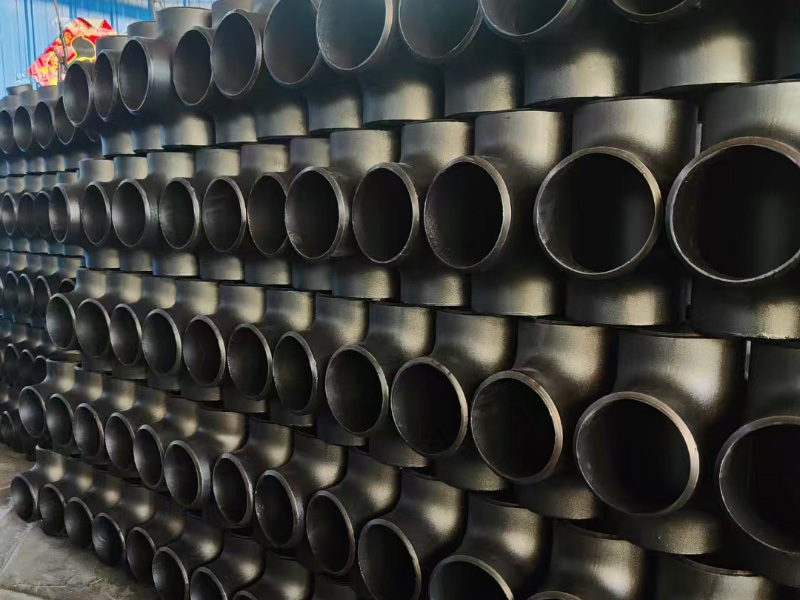
The Role of Slip-on Flanges in Efficient Pipeline Design
Table of Contents
- 1. Introduction to Slip-on Flanges
- 2. Understanding Slip-on Flanges
- 3. Advantages of Slip-on Flanges in Pipeline Design
- 4. Applications of Slip-on Flanges
- 5. Installation Techniques for Slip-on Flanges
- 6. Maintenance and Inspection of Slip-on Flanges
- 7. Comparison with Other Flange Types
- 8. Future Trends in Pipeline Design and Slip-on Flanges
- 9. Frequently Asked Questions
- 10. Conclusion
1. Introduction to Slip-on Flanges
Slip-on flanges are an integral component in the design and construction of pipeline systems. Designed to fit over the pipe, these flanges allow for easy alignment and installation, making them a popular choice in many industrial applications. Their versatility, combined with cost-effectiveness, has positioned them as a favored option among engineers and construction professionals. In this article, we will explore the crucial role that slip-on flanges play in achieving efficient pipeline design, ensuring that systems run smoothly and effectively.
2. Understanding Slip-on Flanges
Slip-on flanges are circular pieces of metal that are used to connect two sections of pipe. They are characterized by their simple design, which allows them to slip over the end of a pipe. Once in place, they are welded to the pipe on both the inside and outside, creating a strong, leak-proof connection. This design minimizes the need for additional machining, making them a cost-effective option in many scenarios.
The flanges are typically manufactured from a variety of materials, including carbon steel, stainless steel, and alloy materials, which allows for compatibility with various fluid types and environmental conditions. Their flexibility in usage makes them applicable in multiple industries, including oil and gas, water treatment, and chemical processing.
3. Advantages of Slip-on Flanges in Pipeline Design
Slip-on flanges offer several benefits that contribute to their popularity in pipeline design:
3.1 Cost-Effectiveness
One of the primary advantages of slip-on flanges is their cost-effectiveness. The manufacturing process is less complex compared to other flange types, resulting in lower production costs. Additionally, their ease of installation reduces labor expenses, making them a budget-friendly choice for projects.
3.2 Simplified Installation
The design of slip-on flanges allows for straightforward installation. Since they can be easily positioned and aligned on the pipe, the assembly process is expedited. This is particularly beneficial in large-scale projects where time efficiency is critical.
3.3 Versatility and Compatibility
Slip-on flanges are highly versatile and can be used in various applications and industries. Their compatibility with different materials means they can be employed in diverse environments, from high-pressure systems to corrosive applications.
3.4 Reduced Risk of Leakage
When properly installed, slip-on flanges create a strong seal that minimizes the risk of leakage. The welds on both the inside and outside of the flange provide additional security, ensuring that the connection remains intact under pressure.
4. Applications of Slip-on Flanges
Slip-on flanges are utilized across numerous industries due to their adaptability and reliability. Some common applications include:
4.1 Oil and Gas Industry
In the oil and gas sector, slip-on flanges are used extensively in pipelines that transport crude oil, natural gas, and other hydrocarbons. Their ability to handle high-pressure environments makes them ideal for this application.
4.2 Water Treatment Facilities
Water treatment plants often use slip-on flanges to connect various components in their piping systems. They are well-suited for water distribution networks where corrosion resistance is essential.
4.3 Chemical Processing
The chemical industry employs slip-on flanges in systems that handle aggressive chemicals. The option to select corrosion-resistant materials enhances safety and durability in these settings.
4.4 HVAC Systems
In heating, ventilation, and air conditioning (HVAC) systems, slip-on flanges are commonly used to join ductwork and piping, providing a secure and efficient connection.
5. Installation Techniques for Slip-on Flanges
Proper installation of slip-on flanges is crucial for ensuring their effectiveness and longevity in pipeline systems. Here are key steps and considerations for a successful installation:
5.1 Preparation of the Pipe
Before installing slip-on flanges, it is essential to ensure that the pipe ends are clean and free of debris, rust, or any contaminants. A clean surface promotes better weld quality and connection integrity.
5.2 Positioning the Flange
Carefully position the slip-on flange over the pipe end. Alignment is critical, and the flange should be centered correctly to avoid stress on the connection.
5.3 Welding Techniques
Once the flange is correctly positioned, the next step involves welding. A qualified welder should perform this task, using appropriate welding techniques to ensure a strong bond. Both the inside and outside of the flange should be welded thoroughly.
5.4 Post-Installation Inspection
After welding, conduct a thorough inspection to verify the quality of the welds and the overall integrity of the connection. This step is vital for preventing future leaks and ensuring the reliability of the pipeline system.
6. Maintenance and Inspection of Slip-on Flanges
Regular maintenance and inspection of slip-on flanges are essential to ensure their long-term performance. Here are some best practices for maintaining these components:
6.1 Routine Inspections
Conduct routine visual inspections to check for signs of leakage, corrosion, or wear. Addressing any issues promptly can help prevent more significant problems down the line.
6.2 Non-Destructive Testing (NDT)
In high-stakes environments, employing non-destructive testing methods can provide a thorough assessment of the flange and pipe integrity. Techniques such as ultrasonic testing or radiography can identify potential failures before they become critical.
6.3 Regular Cleaning
Maintaining cleanliness around slip-on flanges helps prevent contamination and corrosion. Regularly clean the area to ensure optimal performance.
7. Comparison with Other Flange Types
Understanding how slip-on flanges compare to other flange types can help engineers make informed decisions in pipeline design. Let's explore how they stack up against weld neck and blind flanges.
7.1 Slip-on Flanges vs. Weld Neck Flanges
Weld neck flanges are designed for high-pressure applications and feature a long neck that provides added strength. While they are robust, slip-on flanges are more cost-effective and easier to install, making them a preferable option for less demanding applications.
7.2 Slip-on Flanges vs. Blind Flanges
Blind flanges are used to close off a piping system and do not have a central opening. They are vital for maintaining pressure in systems but do not provide the same versatility as slip-on flanges, which can be used for connections.
8. Future Trends in Pipeline Design and Slip-on Flanges
The pipeline industry is evolving, with technological advancements and increased safety regulations shaping future designs. Key trends include:
8.1 Adoption of Smart Technologies
The integration of smart technologies into pipeline systems is on the rise. Sensors and monitoring systems can provide real-time data on the condition of slip-on flanges, enhancing safety and performance.
8.2 Sustainable Materials
As the industry moves towards more sustainable practices, the use of eco-friendly materials in the production of slip-on flanges is gaining traction. This shift not only reduces environmental impact but also meets growing regulatory demands.
8.3 Enhanced Safety Standards
With an increasing focus on safety, future pipeline designs will likely incorporate stricter regulations regarding flanges and their installation. Compliance with these standards will be essential for maintaining operational integrity.
9. Frequently Asked Questions
9.1 What are the key benefits of using slip-on flanges?
Slip-on flanges provide cost savings, ease of installation, versatility, and a reduced risk of leakage, making them an optimal choice for various pipeline applications.
9.2 How do I know if slip-on flanges are suitable for my project?
Consider the pressure, temperature, and the materials involved in your pipeline system. If your application doesn’t require the high-stress resistance of weld neck flanges, slip-on flanges may be suitable.
9.3 What materials are slip-on flanges made from?
Slip-on flanges can be manufactured from various materials, including carbon steel, stainless steel, and special alloys, which allows for compatibility with different applications and environments.
9.4 How often should I inspect slip-on flanges?
Routine inspections are recommended, ideally every few months, depending on the operating conditions. For critical applications, more frequent checks may be necessary.
9.5 Can slip-on flanges be reused after disassembly?
While slip-on flanges can be reused, it is essential to inspect them for wear or damage before reinstallation. If they show signs of degradation, it is advisable to replace them.
10. Conclusion
Slip-on flanges are a vital component in efficient pipeline design, offering numerous advantages, including cost-effectiveness, ease of installation, and versatility across various applications. Understanding their characteristics, proper installation techniques, and maintenance practices can significantly enhance the performance and reliability of pipeline systems. As the industry continues to evolve with technological advancements and sustainability trends, slip-on flanges will undoubtedly play a crucial role in shaping the future of pipeline design. By leveraging their benefits and adhering to best practices, engineers and industry professionals can ensure that their pipeline systems operate efficiently and effectively.
Hot Tags:
PREVIOUS:

Cangzhou KTD Steel Pipe Co.,ltd
Mengcun County, Cangzhou City, Hebei Province, China 061000


REQUEST QUOTE