Leading Smls Pipe and fittings supplier from China since 1991

Understanding Welding Neck Flanges: Essential Components in Pipe Fittings
Welding neck flanges are crucial components in the realm of pipe fittings, particularly in industries such as construction and decorative materials. They are designed to connect pipes and other equipment while providing a strong seal and supporting high-pressure applications. The unique design of welding neck flanges contributes to their effectiveness, making them a preferred choice among many pro
Aug 16,2026
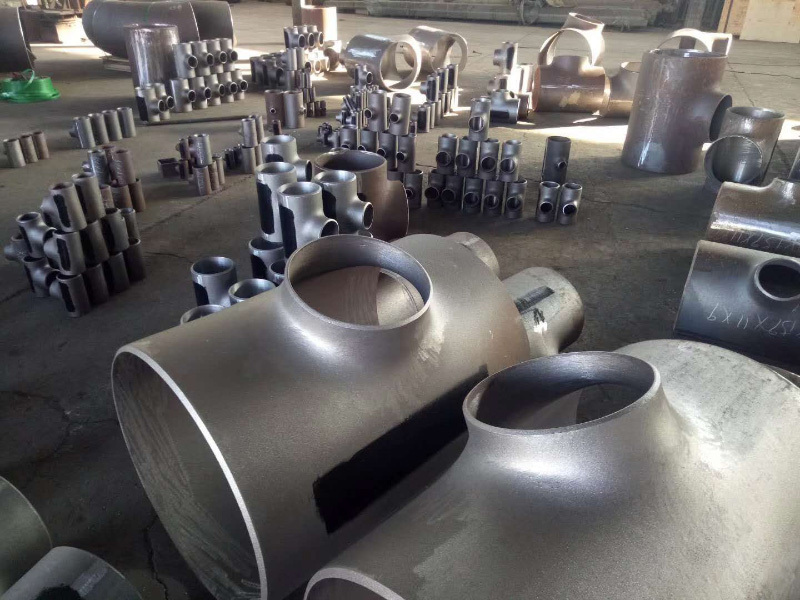
Welding neck flanges are crucial components in the realm of pipe fittings, particularly in industries such as construction and decorative materials. They are designed to connect pipes and other equipment while providing a strong seal and supporting high-pressure applications. The unique design of welding neck flanges contributes to their effectiveness, making them a preferred choice among many professionals.
At the core of the welding neck flange’s design is its elongated neck, which transitions smoothly into the flange body. This shape allows for a gradual change in the flow of material and helps to reduce stress concentrations at the joint. The welding neck flange is typically welded to the pipe, creating a robust joint that can withstand significant pressure and temperature fluctuations. This feature makes it an ideal choice for high-stress applications, such as those found in petrochemical facilities, power plants, and water treatment plants.
In addition to their structural advantages, welding neck flanges offer practical benefits. Their design allows for easy alignment and can accommodate thermal expansion and contraction. This flexibility is vital in preventing leaks and ensuring the integrity of the piping system, especially in environments where temperature variations are common. Furthermore, the welding neck flange can be easily inspected and maintained, enhancing the overall reliability of the system.
When selecting a welding neck flange, several factors should be considered. The material of the flange must be compatible with the pipeline and the fluid being transported. Common materials include carbon steel, stainless steel, and alloy metals, each providing different levels of corrosion resistance and strength. Additionally, the flange size and pressure rating are critical for ensuring that the component can handle the specific requirements of the application.
Welding neck flanges are versatile and can be used in various applications beyond standard piping systems. They are also effective in creating transitions between different pipe sizes and materials, making them valuable in complex systems. Their ability to maintain strong, leak-proof joints makes them indispensable in ensuring the safety and efficiency of numerous industrial processes.
In conclusion, understanding welding neck flanges is essential for professionals in the construction and decorative materials industry. Their unique design, combined with the practical advantages they offer, ensures that they play a vital role in maintaining the performance and reliability of piping systems. By selecting the appropriate welding neck flange for specific applications, professionals can enhance the durability and safety of their projects, making these components a fundamental aspect of effective pipe fitting solutions.
Hot Tags:

Cangzhou KTD Steel Pipe Co.,ltd
Mengcun County, Cangzhou City, Hebei Province, China 061000


REQUEST QUOTE