Leading Smls Pipe and fittings supplier from China since 1991

How to Choose the Right Seamless Steel Tube for Your Needs
How to Choose the Right Seamless Steel Tube for Your Needs Table of Contents 1. Understanding Seamless Steel Tubes 2. Key Benefits of Seamless Steel Tubes 3. Factors to Consider When Choosing Seamless Steel Tubes 3.1 Material Composition 3.2 Size and Dimensions 3.3 Application Requirements 4. Common Applicat
Sep 03,2026
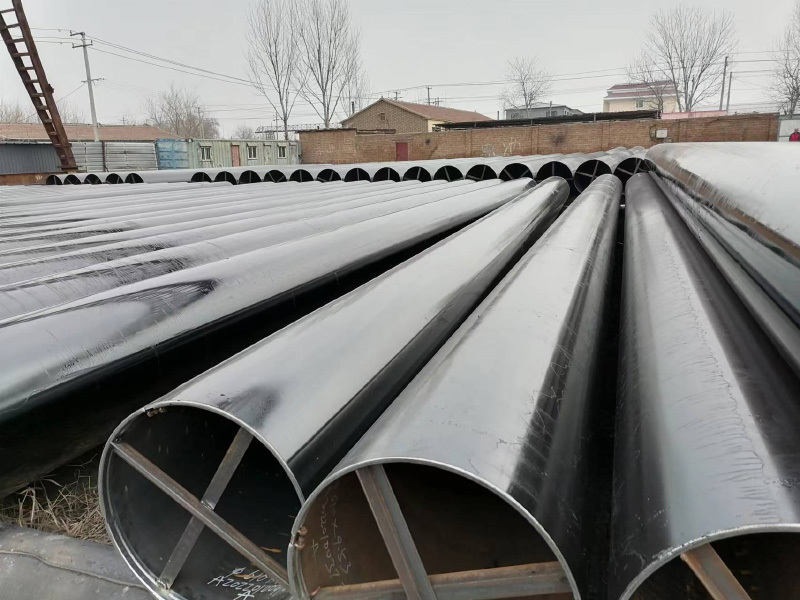
How to Choose the Right Seamless Steel Tube for Your Needs
Table of Contents
1. Understanding Seamless Steel Tubes
2. Key Benefits of Seamless Steel Tubes
3. Factors to Consider When Choosing Seamless Steel Tubes
3.1 Material Composition
3.2 Size and Dimensions
3.3 Application Requirements
4. Common Applications of Seamless Steel Tubes
5. Quality Standards and Certifications
6. Cost Considerations and Budgeting
7. Maintenance and Durability of Seamless Steel Tubes
8. FAQs About Seamless Steel Tubes
9. Conclusion
1. Understanding Seamless Steel Tubes
Seamless steel tubes are cylindrical pipes manufactured without any joints or welds, providing enhanced strength and reliability. Unlike welded tubes, which can be prone to weak points, seamless tubes offer a uniform structure, making them ideal for high-pressure applications. They are commonly used in various industries, including construction, automotive, and oil and gas.
2. Key Benefits of Seamless Steel Tubes
Seamless steel tubes boast several advantages over their welded counterparts. Firstly, they are less likely to fail under stress due to their continuous structure. Secondly, they can withstand extreme temperatures and pressures, making them suitable for diverse applications. Additionally, seamless tubes can be produced in various materials and finishes, allowing for customization based on specific needs.
3. Factors to Consider When Choosing Seamless Steel Tubes
Selecting the right seamless steel tube requires careful consideration of several factors to ensure optimal performance.
3.1 Material Composition
The material composition of seamless steel tubes is crucial for their performance in specific environments. Common materials include carbon steel, alloy steel, and stainless steel. Carbon steel is favored for its strength and durability, while stainless steel offers excellent corrosion resistance. Consider the environmental conditions and application requirements to choose the appropriate material.
3.2 Size and Dimensions
The size and dimensions of the seamless tube are vital for ensuring compatibility with your project. Tubes come in various diameters and wall thicknesses. To select the right size, measure your application accurately and refer to industry standards for guidance. Larger diameters allow for higher flow rates, while thicker walls can handle more pressure.
3.3 Application Requirements
Understanding the specific requirements of your application is essential. For instance, if the seamless tube will be used in a high-pressure environment, it must meet stringent quality standards. Additionally, consider factors like temperature fluctuations, exposure to chemicals, and load-bearing capacities to ensure the tube can withstand the demands of its intended use.
4. Common Applications of Seamless Steel Tubes
Seamless steel tubes are utilized in various industries due to their versatility and strength. Some common applications include:
- **Construction:** Used for structural support in buildings, bridges, and tunnels.
- **Automotive:** Employed in fuel lines, hydraulic systems, and exhaust systems.
- **Oil and Gas:** Essential for pipelines transporting oil, gas, and other fluids under high pressure.
- **Manufacturing:** Found in machinery and equipment requiring high durability and strength.
5. Quality Standards and Certifications
Before purchasing seamless steel tubes, it’s critical to ensure they meet relevant quality standards and certifications. Organizations like ASTM (American Society for Testing and Materials) and ISO (International Organization for Standardization) provide guidelines for manufacturing and testing seamless tubes. Compliance with these standards guarantees that the tubes will perform reliably in their intended applications.
6. Cost Considerations and Budgeting
Pricing for seamless steel tubes can vary widely based on material, size, and market conditions. When budgeting, consider not only the initial purchase price but also the long-term costs associated with maintenance and potential replacements. It's wise to compare prices from multiple suppliers while ensuring that quality is not compromised for cost savings.
7. Maintenance and Durability of Seamless Steel Tubes
To maximize the lifespan of seamless steel tubes, regular maintenance is essential. This includes inspections for signs of wear, corrosion, or damage. Depending on the application, periodic cleaning and protective coatings may be necessary to preserve their structural integrity and performance. Understanding the expected lifespan and maintenance requirements can help in making an informed decision.
8. FAQs About Seamless Steel Tubes
**Q1: What is the primary difference between seamless and welded steel tubes?**
A: The main difference lies in the manufacturing process. Seamless tubes are produced from a solid round steel billet, resulting in a continuous structure, while welded tubes are made by fusing two edges together, which can create weak points.
**Q2: Are seamless steel tubes more expensive than welded ones?**
A: Generally, yes. Seamless tubes involve a more complex manufacturing process, making them costlier. However, their durability and reliability often justify the higher price.
**Q3: Can seamless steel tubes be customized?**
A: Yes, seamless steel tubes can be customized in terms of size, wall thickness, and material type to meet specific application requirements.
**Q4: What industries commonly use seamless steel tubes?**
A: Seamless steel tubes are widely used in industries such as construction, automotive, aerospace, and oil and gas.
**Q5: How can I ensure the quality of the seamless steel tubes I purchase?**
A: Look for suppliers that adhere to industry standards and provide certifications. It's also beneficial to read customer reviews and check for warranties or guarantees.
9. Conclusion
Choosing the right seamless steel tube for your needs involves careful consideration of various factors including material composition, size, application requirements, and budget. By understanding these aspects, you can make informed decisions that ensure the durability and efficiency of your projects. Investing in high-quality seamless steel tubes will not only enhance the structural integrity of your applications but also provide long-term value and reliability.
Hot Tags:
Cangzhou KTD Steel Pipe Co.,ltd
Mengcun County, Cangzhou City, Hebei Province, China 061000


REQUEST QUOTE