Leading Smls Pipe and fittings supplier from China since 1991

Understanding Welding Neck Flanges: A Guide for Construction and Decoration Materials
Welding neck flanges, characterized by their long tapered neck, are designed to be welded to the end of a pipe. This design feature provides a strong connection, ensuring that the flange is well-aligned with the pipe, which is crucial for maintaining the integrity of the piping system. The long neck allows for a smooth transition from the flange to the pipe, minimizing turbulence and promoting bet
Sep 21,2026
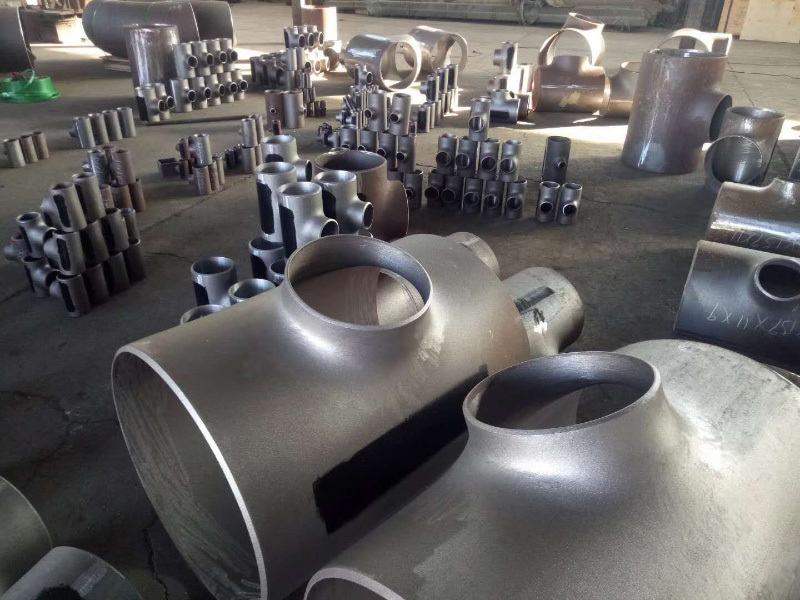
One of the most significant advantages of welding neck flanges is their ability to withstand high pressure and temperature conditions. The tapered design distributes stress evenly, reducing the risk of failure at the weld joint. This is especially vital in construction settings where safety and durability are paramount. Additionally, welding neck flanges can be used with various materials, making them versatile choices for different applications.
In terms of application, welding neck flanges are commonly used in industries such as oil and gas, chemical processing, and water treatment. They are ideal for connecting pipes, valves, and other equipment in systems that require reliable and robust connections. The flange’s design allows for easy inspection and maintenance, which is an essential feature in managing piping systems effectively.
When selecting a welding neck flange, it is crucial to consider factors such as material compatibility, pressure ratings, and the specific requirements of your piping system. The choice of material can significantly affect the flange's performance, especially in corrosive environments or under extreme temperatures. Popular materials include carbon steel, stainless steel, and alloy metals, each offering unique benefits suited to specific applications.
Furthermore, welding neck flanges are available in various sizes and standards, allowing for customization according to project needs. This flexibility ensures that engineers and builders can find the appropriate flange to suit their design specifications, enhancing overall project efficiency.
In conclusion, welding neck flanges are indispensable components in the construction and decoration materials industry, known for their strength, durability, and versatility. Understanding their design and applications can significantly impact the performance and safety of piping systems. When working with welding neck flanges, always ensure you consider the relevant specifications and standards to achieve optimal results in your projects.
Hot Tags:
PREVIOUS:
Cangzhou KTD Steel Pipe Co.,ltd
Mengcun County, Cangzhou City, Hebei Province, China 061000


REQUEST QUOTE