Leading Smls Pipe and fittings supplier from China since 1991

Understanding ASTM Seamless Pipes: Essential Insights for Building Professionals
--- When it comes to building and decorative materials, ASTM seamless pipes play a vital role in various construction applications. ASTM, or the American Society for Testing and Materials, establishes rigorous standards that ensure the quality, safety, and performance of materials. Seamless pipes, characterized by their lack of seams or welds, provide unique advantages that are particularly releva
Nov 27,2026
---
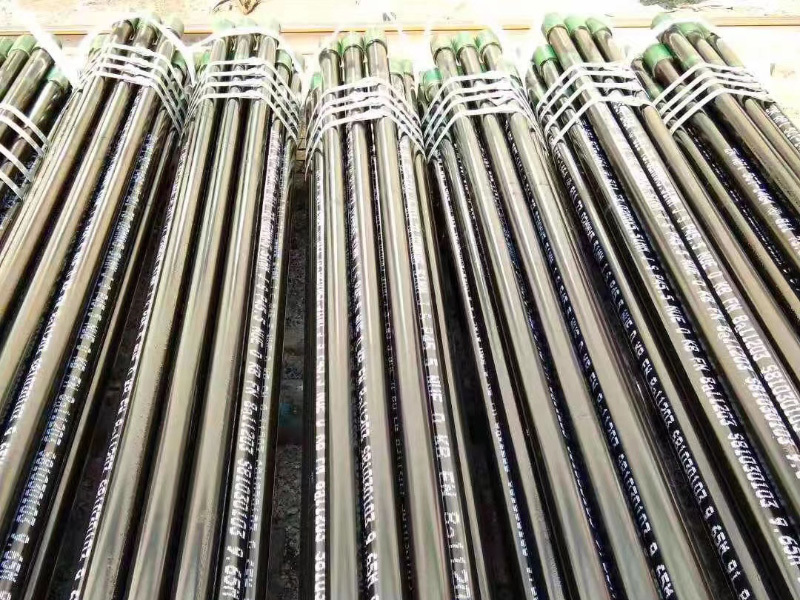
When it comes to building and decorative materials, ASTM seamless pipes play a vital role in various construction applications. ASTM, or the American Society for Testing and Materials, establishes rigorous standards that ensure the quality, safety, and performance of materials. Seamless pipes, characterized by their lack of seams or welds, provide unique advantages that are particularly relevant to construction professionals.
One of the primary benefits of ASTM seamless pipes is their strength. The manufacturing process involves extruding the pipe from a solid round billet, which results in a uniform wall thickness and enhanced structural integrity. This is crucial in high-pressure applications where welds can be a point of weakness. In industries such as oil and gas, where pressure ratings are critical, seamless pipes offer the reliability needed to withstand harsh conditions.
Another important aspect of ASTM seamless pipes is their corrosion resistance. Constructed from various materials, including steel and alloy, these pipes can be tailored to resist specific environmental conditions. For instance, in applications where exposure to moisture or chemicals is prevalent, choosing the right ASTM seamless pipe that meets the required standards helps prevent premature degradation. This is particularly vital for projects involving water transport or chemical processing.
The versatility of ASTM seamless pipes extends to their various applications. They are widely used in oil and gas pipelines, power generation, and even architectural purposes. In the construction industry, seamless pipes can be found in both residential and commercial projects, serving as conduits for water, gas, and other essential utilities. Understanding the specific attributes of ASTM seamless pipes allows professionals to select the appropriate type for their particular needs, ensuring optimal performance and longevity.
It's worth noting that ASTM seamless pipes are available in a range of sizes and grades, catering to diverse project specifications. Professionals must familiarize themselves with the different grades to ensure compliance with regulations and project requirements. This knowledge not only supports the selection of suitable materials but also enhances the overall safety and efficacy of construction projects.
In conclusion, ASTM seamless pipes are a fundamental component in the building and construction industry, offering unparalleled strength, corrosion resistance, and versatility. For professionals involved in construction and decorative materials, understanding these pipes' properties and applications is essential. By leveraging the advantages of ASTM seamless pipes, builders can enhance the durability and performance of their projects while meeting industry standards.
Hot Tags:
PREVIOUS:
Cangzhou KTD Steel Pipe Co.,ltd
Mengcun County, Cangzhou City, Hebei Province, China 061000


REQUEST QUOTE