Leading Smls Pipe and fittings supplier from China since 1991

Understanding ASTM Seamless Pipes: A Comprehensive Guide for Construction and Decorative Material Applications
ASTM seamless pipes are essential components in various construction and decorative material applications, recognized for their strength, durability, and adaptability. ASTM stands for the American Society for Testing and Materials, which sets the industry standard for the quality and performance of materials, including seamless pipes. These pipes are manufactured without any welded seams, making t
Jul 23,2026
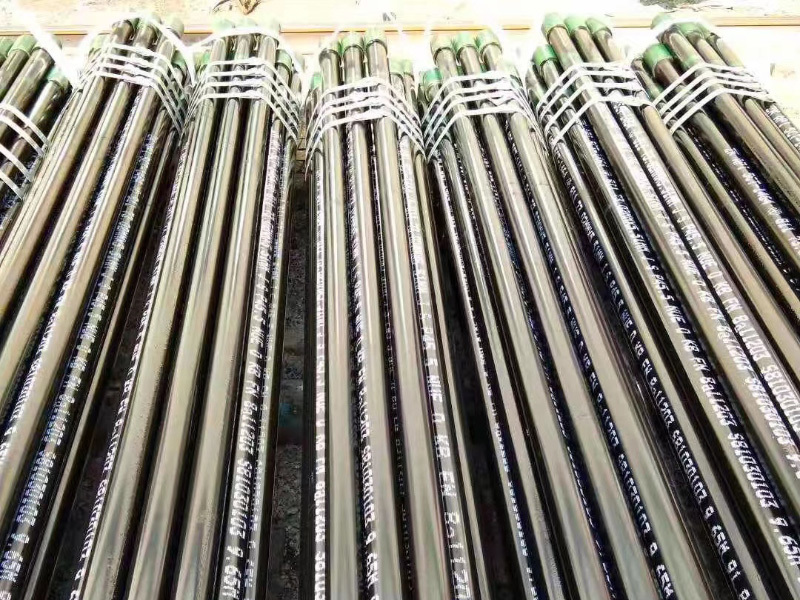
The production of ASTM seamless pipes typically involves a process known as extrusion or rotary piercing, followed by elongation and sizing. This process ensures that the pipes maintain high integrity and uniform wall thickness, which significantly enhances their mechanical properties. The absence of seams minimizes the risk of failure due to stress concentrations, making ASTM seamless pipes a preferred choice in critical applications.
One of the key advantages of using ASTM seamless pipes in construction is their ability to withstand high levels of pressure and temperature fluctuations. This makes them suitable for various applications, such as oil and gas pipelines, structural components in buildings, and even decorative elements where strength and aesthetic are crucial. Additionally, their resistance to corrosion and oxidation further extends their service life, making them a cost-effective solution in the long run.
In terms of specifications, ASTM seamless pipes are categorized into several grades based on material composition and mechanical properties. Common grades include ASTM A106 for carbon steel pipes, ASTM A312 for stainless steel pipes, and ASTM A333 for low-temperature service pipes. Each grade serves different operational needs, so it is vital for professionals in the construction industry to select the appropriate type based on the specific requirements of their projects.
Furthermore, the seamless nature of these pipes allows for greater flexibility in design and installation. They can be easily fabricated into various shapes and sizes, accommodating the diverse needs of modern architecture and engineering. This versatility makes them invaluable in both structural and decorative applications, enhancing both functionality and aesthetics.
In conclusion, ASTM seamless pipes are a cornerstone in the construction and decorative materials sector. Understanding their manufacturing processes, specifications, and applications is crucial for industry professionals seeking to leverage their benefits. By choosing the right type of ASTM seamless pipe, you can ensure the integrity and longevity of your construction projects while meeting industry standards.
Hot Tags:
Cangzhou KTD Steel Pipe Co.,ltd
Mengcun County, Cangzhou City, Hebei Province, China 061000


REQUEST QUOTE