Leading Smls Pipe and fittings supplier from China since 1991

Best Practices for Installing ASTM Seamless Steel Pipes: A Comprehensive Guide
Best Practices for Installing ASTM Seamless Steel Pipes In the construction and plumbing industries, the installation of ASTM seamless steel pipes is a crucial process that requires careful attention to detail and adherence to industry standards. These pipes are preferred for their strength, durability, and resistance to corrosion, making them ideal for various applications, including oil and ga
Jul 25,2026
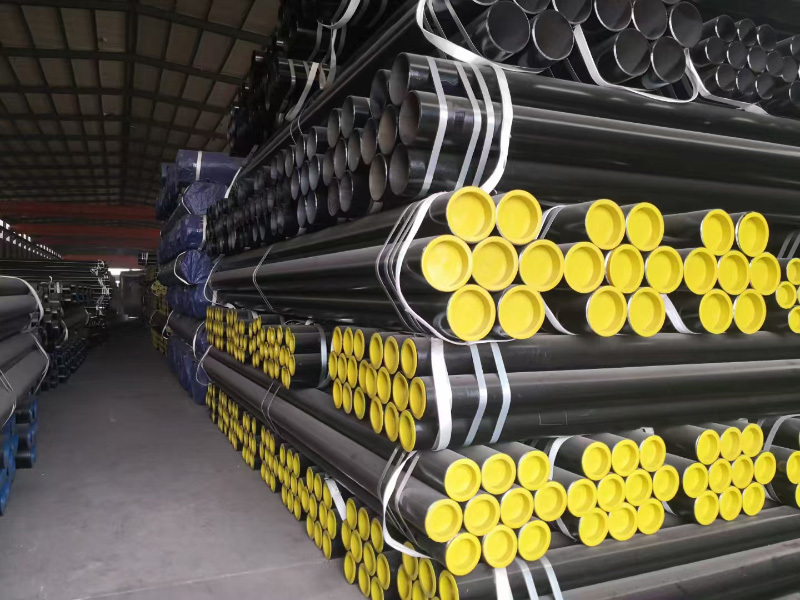
Best Practices for Installing ASTM Seamless Steel Pipes
In the construction and plumbing industries, the installation of ASTM seamless steel pipes is a crucial process that requires careful attention to detail and adherence to industry standards. These pipes are preferred for their strength, durability, and resistance to corrosion, making them ideal for various applications, including oil and gas, water supply, and structural support. In this comprehensive guide, we will explore the best practices for installing ASTM seamless steel pipes, covering everything from preparation to post-installation maintenance.
Table of Contents
- Understanding ASTM Seamless Steel Pipes
- Pre-Installation Preparation
- Essential Tools and Materials
- Installation Techniques for ASTM Seamless Steel Pipes
- Joint Types and Sealing Methods
- Testing and Inspection Post-Installation
- Maintenance Tips for Seamless Steel Pipes
- Common Issues and Solutions
- Conclusion
- FAQs
Understanding ASTM Seamless Steel Pipes
ASTM seamless steel pipes are standardized products defined by the American Society for Testing and Materials (ASTM). These pipes are manufactured without any welded seams, which significantly enhances their strength and pressure-holding capabilities. Commonly used materials include carbon steel and alloy steel, resulting in pipes that can withstand extreme temperatures and pressures.
Seamless pipes are often utilized in high-stress environments such as chemical processing, power generation, and structural frameworks. Their superior mechanical properties make them ideal for applications requiring high integrity and reliability. Understanding the specifications and applications of ASTM seamless steel pipes is the first step in ensuring a successful installation.
Pre-Installation Preparation
Proper preparation is essential for the successful installation of ASTM seamless steel pipes. This stage includes several critical steps:
Conducting a Site Assessment
Before beginning any installation, a thorough site assessment must be conducted. This involves evaluating the soil conditions, existing infrastructure, and environmental factors that may affect the installation process. Understanding these elements can help in planning the installation and mitigating potential challenges.
Reviewing Design Specifications
We must meticulously review the design specifications related to the installation of seamless steel pipes. This includes understanding the diameter, length, and wall thickness of the pipes, as well as the expected pressure and temperature ratings. Compliance with local building codes and industry regulations is also vital during this stage.
Planning the Installation Process
A well-structured installation plan is essential. This plan should outline the sequence of operations, allocate resources, and set a timeline for completion. It is also beneficial to identify potential risks and develop contingency plans to address any unforeseen issues that may arise during the installation.
Essential Tools and Materials
Having the right tools and materials on hand is crucial for a smooth installation process. Here are some of the tools and materials commonly required when installing ASTM seamless steel pipes:
Tools Required
- Pipe Cutters: For cutting pipes to the desired length.
- Wrenches: For tightening connections and fittings.
- Pipe Benders: To shape the pipes as required for the installation.
- Measuring Tools: To ensure accurate measurements are taken.
- Safety Equipment: Including gloves, goggles, and hard hats for protection during installation.
Materials Needed
- ASTM Seamless Steel Pipes: The primary material for installation.
- Fittings and Connectors: Based on the design specifications.
- Sealants: To ensure airtight and leak-proof joints.
- Insulation: If required, to protect pipes from temperature fluctuations.
Installation Techniques for ASTM Seamless Steel Pipes
Once the preparation phase is complete, we can move on to the actual installation of the ASTM seamless steel pipes. Following the correct techniques is vital for achieving a durable and reliable installation.
Aligning and Securing the Pipes
Proper alignment and secure placement of the pipes are critical. When laying the pipes, we should ensure that they are level and aligned according to the design specifications. Using supports or hangers ensures that the pipes maintain their position during the installation process.
Joining Pipes Using Appropriate Methods
Joining methods can vary based on the specific application and requirements. Common techniques include:
- Threaded Joints: Suitable for smaller pipes and easy to disassemble.
- Socket Welds: Ideal for high-pressure applications, ensuring a strong connection.
- Butt Welds: For larger pipes, providing a seamless connection.
Each joining method has its advantages and is selected based on the specific application and pressure ratings.
Joint Types and Sealing Methods
Understanding the different joint types and sealing methods is crucial for ensuring the integrity of the installation.
Types of Joints
Joints can be classified into several categories, including:
- Rigid Joints: Provide a fixed connection and are often used in stationary installations.
- Flexible Joints: Allow for movement and are suitable for applications with thermal expansion or contraction.
Sealing Methods
To prevent leaks and ensure durability, appropriate sealing methods must be used. This can include the use of:
- Pipe Dope: A pipe joint compound that aids in sealing threaded joints.
- PTFE Tape: Commonly used to seal and lubricate threaded connections.
Testing and Inspection Post-Installation
After installation, it is essential to conduct thorough testing and inspection to ensure the pipes are functioning as intended.
Pressure Testing
Pressure testing is a critical step that verifies the integrity of the installation. This can be done using air or water, applying pressure to the system to check for leaks. It is crucial to adhere to specific pressure test standards set by ASTM and local regulations.
Visual Inspection
A visual inspection should be conducted to identify any obvious defects or issues with the installation. This includes checking for proper alignment, secure joints, and the absence of corrosion or damage.
Maintenance Tips for Seamless Steel Pipes
To ensure the longevity and efficiency of ASTM seamless steel pipes, regular maintenance is essential. Here are some best practices:
Regular Inspections
Conducting regular inspections helps identify potential issues early. Look for signs of corrosion, leaks, or misalignment during these inspections.
Cleaning
Keeping pipes clean is vital for efficient operation. Regular cleaning helps remove debris and contaminants that can lead to corrosion or blockage.
Addressing Repairs Promptly
Any signs of damage or leaks should be addressed immediately to prevent further complications. Timely repairs prolong the life of the pipes and ensure safe operation.
Common Issues and Solutions
Despite careful planning and execution, issues can still arise during the installation and use of ASTM seamless steel pipes. Here are some common problems and their solutions:
Corrosion
Corrosion can occur due to environmental factors or chemical exposure. To combat this, consider using protective coatings or corrosion inhibitors during installation.
Leaks
Leaks can occur at joints or due to small defects in the pipes. Regular inspections and proper sealing methods can help prevent leaks, but if they occur, repairs should be carried out promptly.
Misalignment
Misalignment can lead to increased stress on the pipes. Ensure proper alignment during installation, and use adjustable supports if necessary to maintain alignment.
Conclusion
Successfully installing ASTM seamless steel pipes requires a comprehensive understanding of materials, techniques, and best practices. By following the guidelines outlined in this article, we can ensure a reliable, durable installation that meets industry standards. From pre-installation preparation to ongoing maintenance, every step plays a crucial role in the longevity and effectiveness of seamless steel pipes in various applications.
FAQs
What are ASTM seamless steel pipes used for?
ASTM seamless steel pipes are commonly used in high-stress applications, including oil and gas, water supply, and structural frameworks due to their strength and durability.
How do I determine the correct size of seamless steel pipes for my project?
Determining the correct size involves considering factors such as flow rates, pressure ratings, and the specific application requirements outlined in the design specifications.
What are the advantages of seamless steel pipes over welded pipes?
Seamless steel pipes have no welded seams, which increases strength and resistance to pressure. They also exhibit better corrosion resistance and lower chances of failure under stress.
How can I prevent corrosion in seamless steel pipes?
Preventive measures include using protective coatings, implementing proper drainage systems, and regularly inspecting for signs of wear and tear.
What should I do if I discover a leak in my seamless steel piping system?
If a leak is discovered, it should be addressed immediately. Shut off the system and assess the damage; repairs should be made by a qualified professional to ensure safety and compliance.
Hot Tags:

Cangzhou KTD Steel Pipe Co.,ltd
Mengcun County, Cangzhou City, Hebei Province, China 061000


REQUEST QUOTE